


BEST TYPES OF EARRING BACKS
Picking the right earring backs matters a lot for both style and daily use. In 2026, people look for options that keep their earrings secure while also being gentle on the skin. Shop LC offers a wide selection of jewelry to meet these needs. Their earrings collection features backs designed for both stud and drop earrings, keeping up with the latest trends.
STABILITY
What Makes Earring Backs Secure?
Security in earring backs comes from how they grip the post and stay put during movement. Locking mechanisms, like those in screw or latch designs, reduce the risk of earrings falling off. Screw backs provide extra hold for valuable pieces, cutting loss in active wear. Shop LC focuses on these features in their lever back earrings, which snap shut firmly. Materials play a role, too; thicker metals add weight distribution for better stability. Always check for smooth edges to avoid snags on clothes or hair.
IMPORTANCE
Why Are Comfortable Earring Backs Important?
Comfort keeps you wearing earrings all day without pain or redness. Backs with flat surfaces or soft padding, such as silicone, spread pressure evenly on the lobe. Many users prefer flat backs, often in studs, for long wear, as they sit flush and promote healing in new piercings. Shop LC offers options in their drop earrings that use lightweight alloys to cut discomfort. Sensitive ears benefit from hypoallergenic choices, which lower allergy risks.
Discover The Best Types of Earring Backs in 2026
Screw Backs
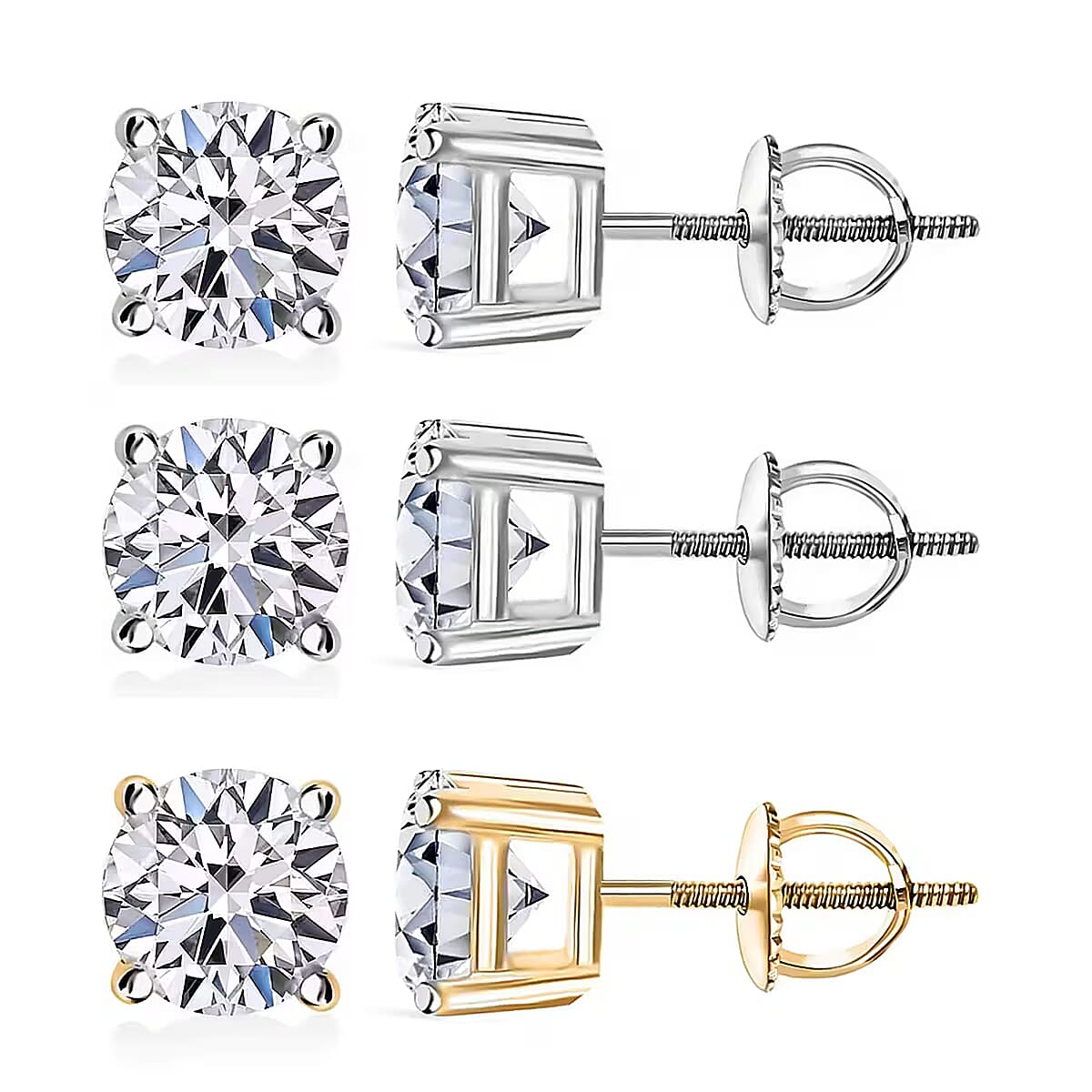
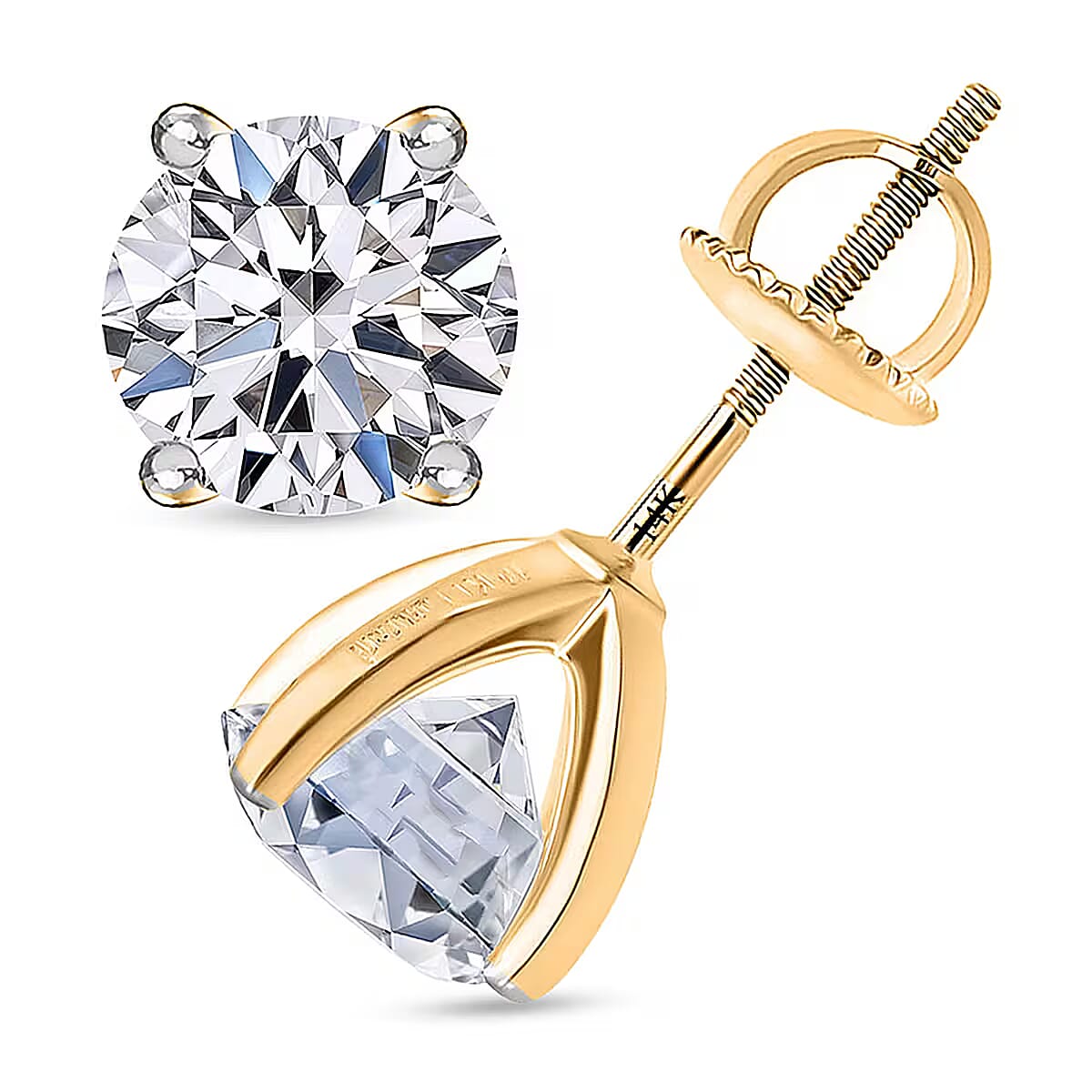
Screw backs offer top-notch security by twisting onto threaded posts, ensuring earrings stay put even during vigorous activities. This design minimizes the chance of loss, making it perfect for pricey gems or kids' jewelry. Often crafted from hypoallergenic metals like gold or sterling silver, they reduce skin irritation for sensitive ears. In 2026, screw backs trend for their blend of safety and ease, especially in stud styles where comfort meets reliability without compromising style.
Lever Backs
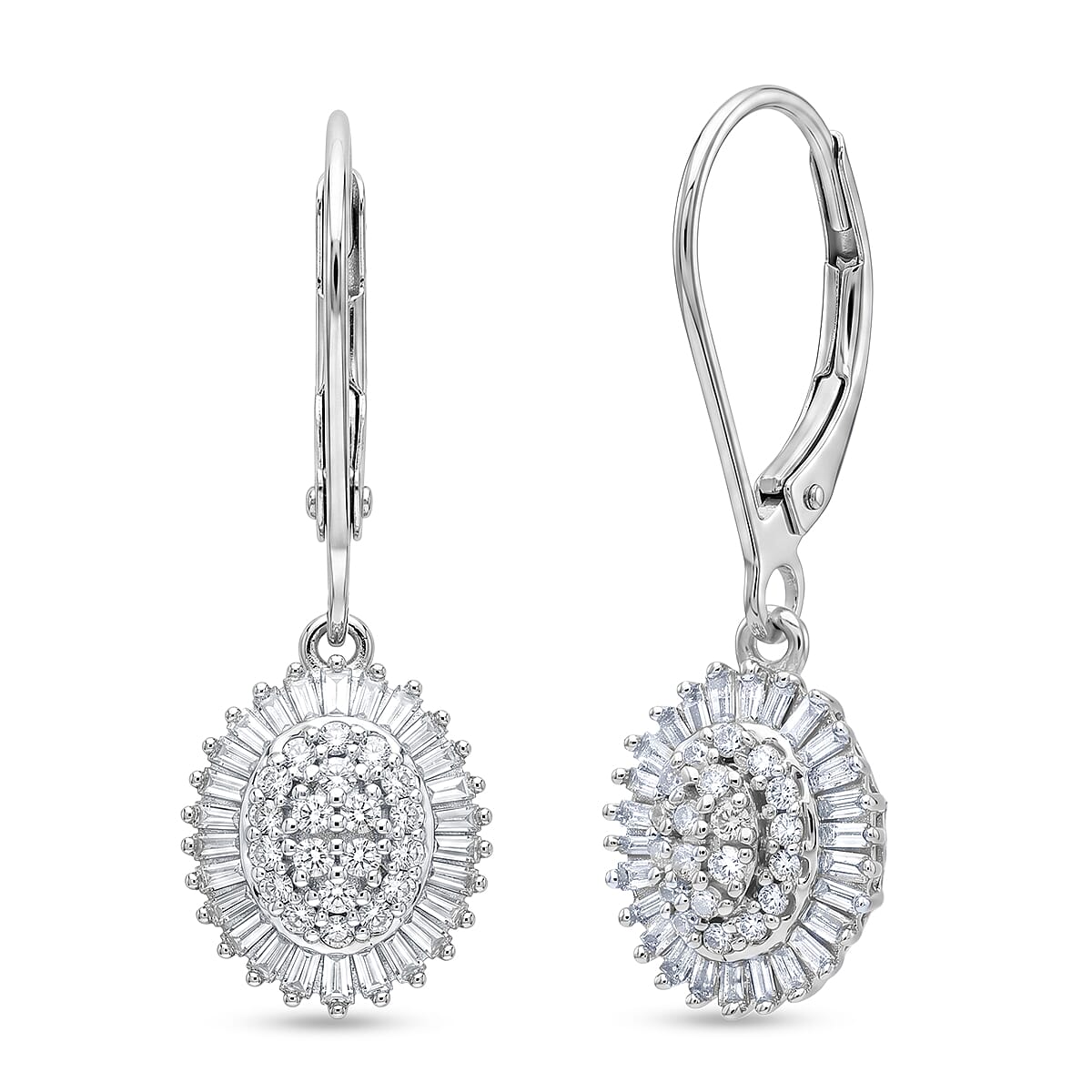
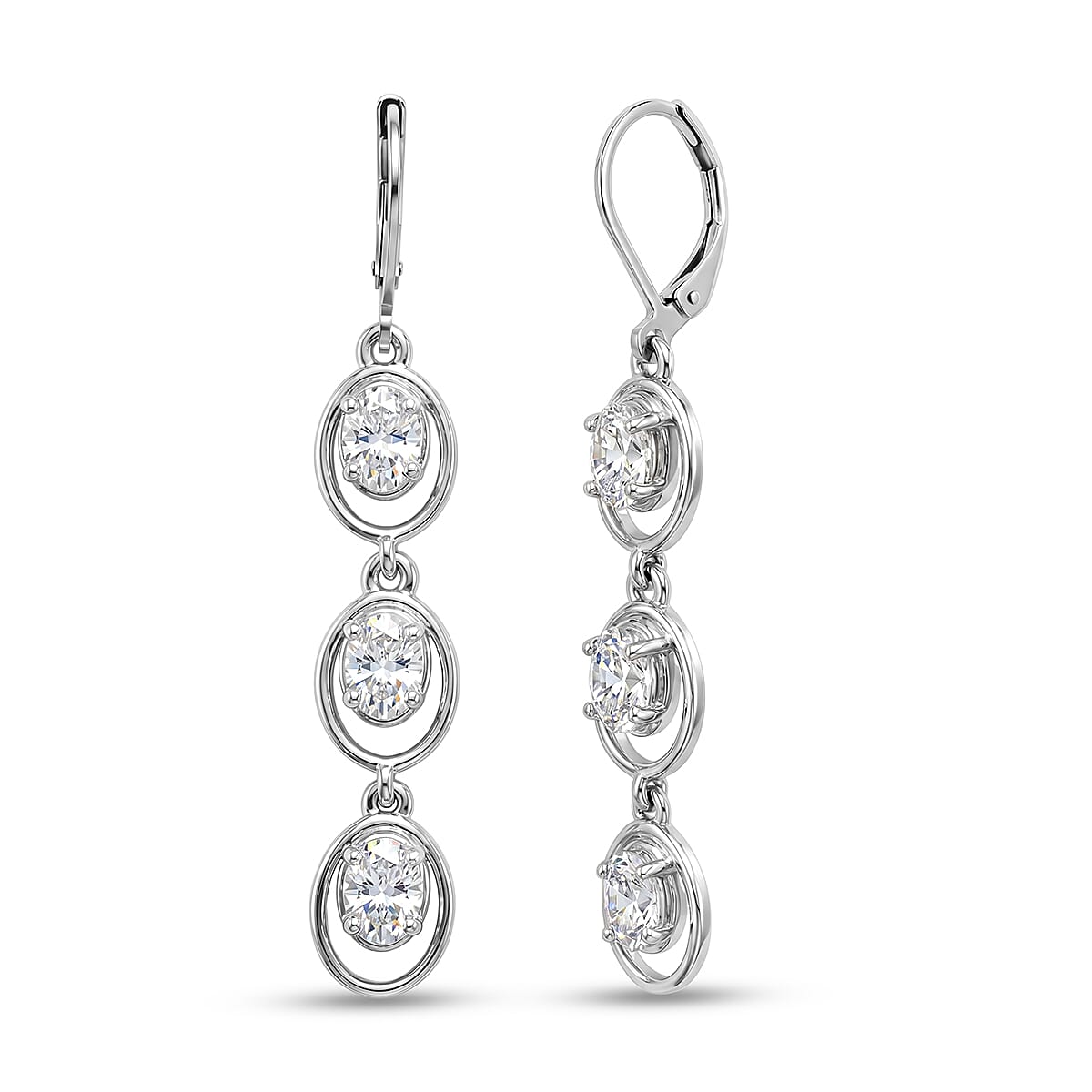
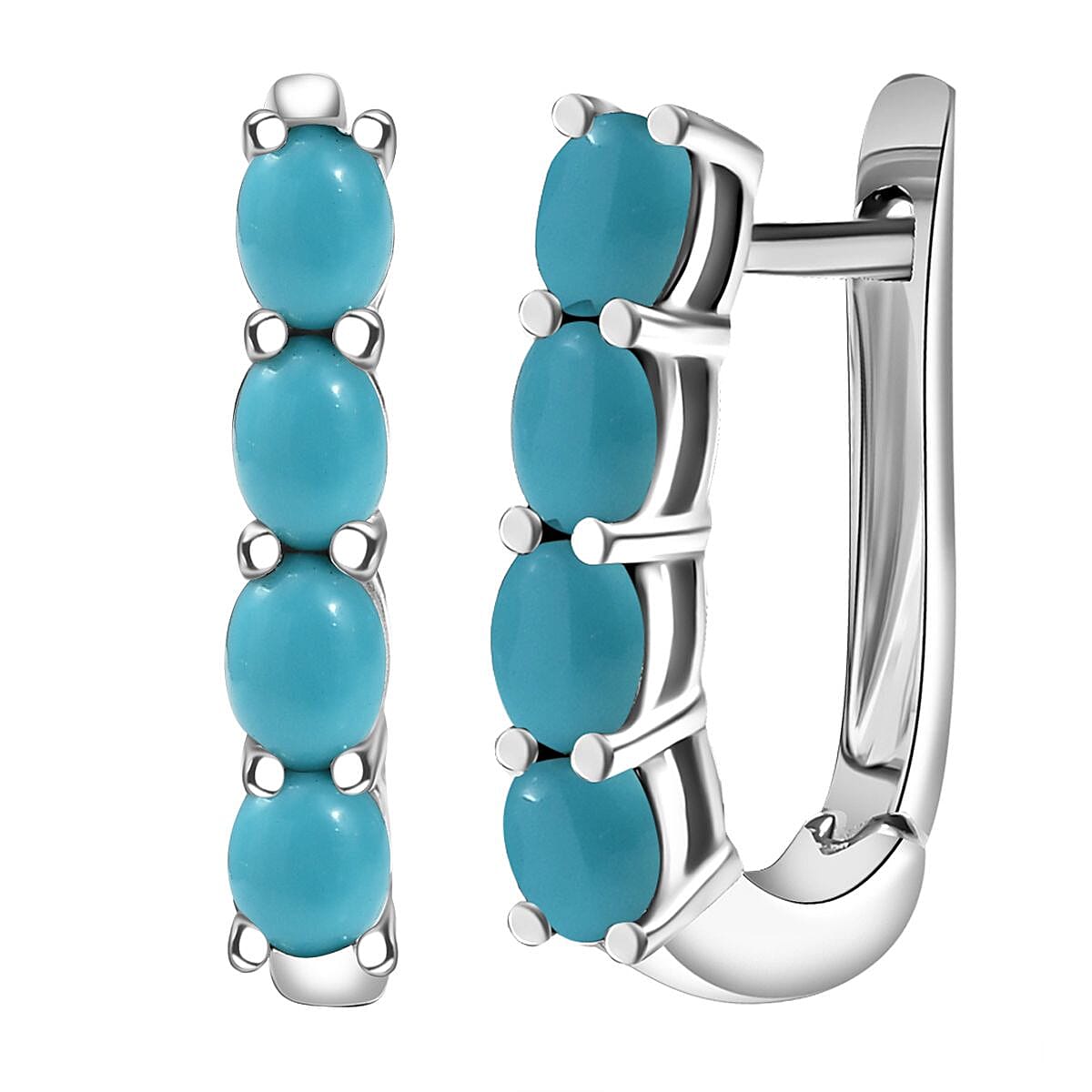
Lever backs use a hinged mechanism that snaps shut over the post, providing a secure yet simple closure for drop or dangle earrings. They distribute weight evenly to avoid lobe strain, ideal for heavier pieces. Made from materials like sterling silver or gold plating, they suit sensitive skin and add a touch of elegance. Popular in 2026 for their versatility, lever backs work well for both casual outings and formal events, offering quick on-and-off without sacrificing hold.
Push Backs
Push backs, also known as friction backs, slide onto the post with a gentle grip from small wings or clutches, making them straightforward for everyday use. They're lightweight and common in stud earrings, allowing easy swaps. Typically in metals like silver or gold, they provide decent security for light pieces while being affordable. In 2026, push backs remain favorites for their simplicity and comfort, especially among those seeking minimal fuss in jewelry routines.

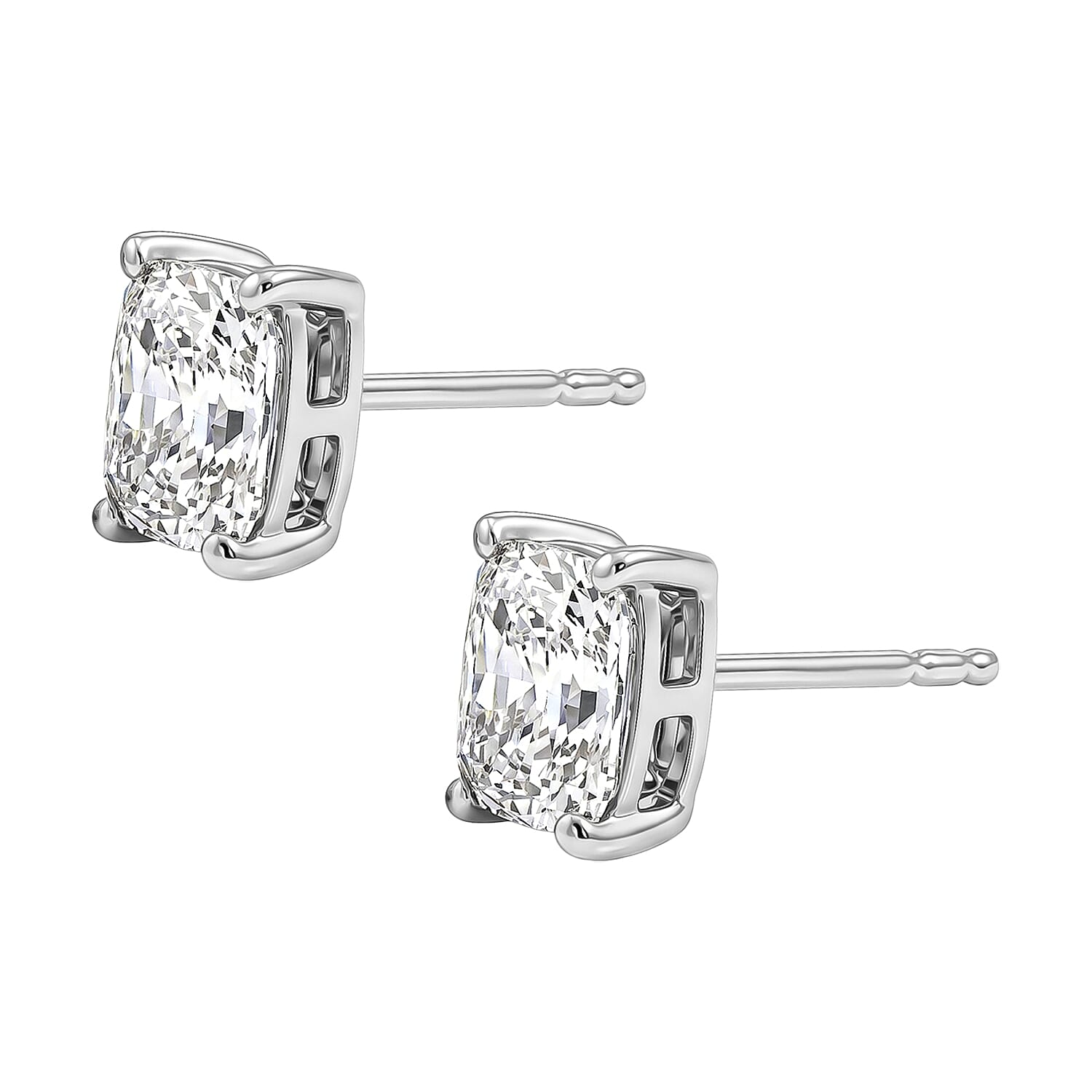
Latch Backs
Latch backs feature a snapping groove that locks the post in place, often seen in hoop or circular designs for a seamless appearance. They offer strong hold without visible clasps, enhancing the earring's aesthetic flow. Constructed from durable alloys, they resist wear and suit various ear shapes. Gaining traction in 2026, latch backs appeal to fashion-forward users who value sleek lines and reliable fastening in versatile jewelry options.
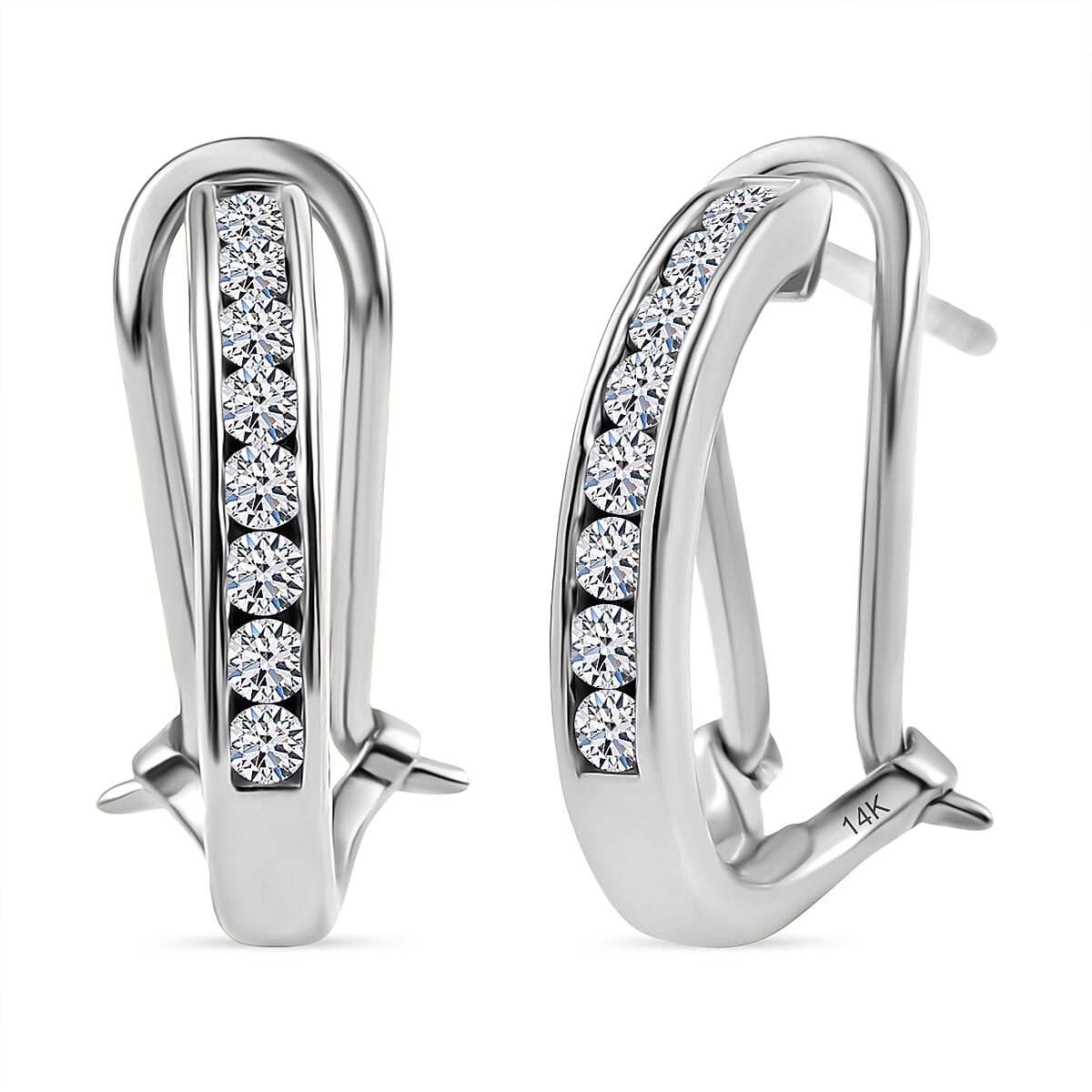
IMPACT
How Do Materials Affect Earring Back Performance?
Materials like surgical steel or gold impact durability and skin safety. Steel resists wear, while gold prevents reactions in sensitive cases. Shop LC uses these in their earring collection for lasting hold. Avoid cheap alloys that bend easily.
| Material | Durability Rating | Hypoallergenic? | Common Use |
|---|---|---|---|
| Surgical Steel | High | Yes | Screw, Flat Backs |
| 14K Gold | Medium-High | Yes | Lever, Push Backs |
| Silicone | Medium | Yes | Rubber Grips |
| Sterling Silver | Medium | Sometimes | Latch Backs |
TRENDS
What Trends Shape Earring Backs in 2026?
Earring backs evolve with a push toward hybrid designs that combine strong security features with sustainable materials, such as recycled metals and plant-based coatings. Flat backs lead the pack, gaining traction for their flush fit that cuts irritation and suits all-day wear, including sleep. This style sees broad adoption in studs and cartilage pieces, where comfort ranks high. Interchangeable closures allow users to mix tops and drops, boosting versatility and reducing the need for multiple pairs. Shop LC stays ahead by featuring these in their earrings collection with options that blend eco-friendly alloys and adjustable fits. Overall, 2026 prioritizes backs that merge practicality with bold aesthetics, ensuring pieces stay secure while reflecting personal style.

FAQs
Q. What are the safest earring backs for kids?
A. Safe backs for kids include screw or locking types to avoid accidental removal. They reduce choking risks and stay secure during play. Shop LC's designs use smooth edges for added protection.
Q. How often should I replace earring backs?
A. Replace them every 6-12 months if they loosen or show wear. Regular checks prevent loss, and cleaning with soap keeps them hygienic. This extends the life of your jewelry.
Q. Can earring backs cause allergies?
A. Yes, but hypoallergenic options like titanium or gold minimize this. About 15% of people react to nickel, so choose certified materials. Shop LC offers many allergy-friendly choices.
Q. What backs work best for heavy earrings?
A. Lever or monster backs support weight without stretching lobes. They distribute pressure evenly for comfort. They cut sagging compared to basic push types.
Q. How can I prevent my earrings from drooping with certain backs?
A. Earrings droop when backs fail to support weight properly, often due to thin lobes or heavy designs. Opt for backs with larger surface areas, like discs, to spread the load and maintain position. Regular checks ensure the post fits snugly through the back without gaps.
Q. What should I consider when choosing earring backs for cartilage piercings?
A. Cartilage areas need backs that avoid pressure points to prevent discomfort during healing. Flat or bar styles work well here, as they lie close without digging in. Ensure the post length matches the thickness for a secure yet gentle hold.
Q. How do I remove stuck earring backs safely?
A. Stuck backs often result from buildup or swelling, so start by applying a lubricant like oil around the area. Gently twist or pull while supporting the front to avoid injury. If persistent, seek help to prevent damage to the ear or jewelry.
Q. Are there earring backs suitable for clip-on conversions?
A. Converters turn pierced earrings into clip-ons for non-pierced ears, using padded clips for grip. These attach to standard posts, offering versatility without permanent changes. They come in various strengths to suit different sensitivities.
Q. What role do earring backs play in overall jewelry maintenance?
A. Backs protect posts from bending and keep pairs together during storage. Wiping them with a soft cloth removes residue that could cause slippage. Proper care extends the life of both backs and the attached pieces.
Q. Can earring backs be customized for better fit?
A. Some backs allow adjustments, like bending wings slightly for friction types. For threaded options, ensure compatibility with post grooves. This personalization helps achieve a tailored feel without altering the original design.
Q. How do environmental factors affect earring backs?
A. Humidity or sweat can cause metal backs to tarnish, leading to reduced grip over time. Silicone varieties resist such issues better in warm conditions. Storing in dry places preserves their condition for consistent performance.
Q. What are common signs that earring backs are wearing out?
A. Worn backs show scratches, loosening mechanisms, or discoloration on the surface. They might slip off easily or fail to click properly. Replacing them promptly avoids unexpected losses during wear.
Q. How can I pair earring backs with different post lengths?
A. Longer posts suit thicker lobes and require backs with deeper channels for stability. Shorter ones pair with compact designs to prevent protrusion. Matching ensures comfort across various stud earrings.
Q. Do earring backs influence the aesthetic of hoop styles?
A. In hoops, backs like latches integrate seamlessly to maintain a continuous loop look. Visible backs can add decorative elements if styled accordingly. This choice enhances the overall flow without distracting from the main feature.

Free Shipping
Free shipping on orders above $50

30 Days Free Return
Shop stress-free

100% Secure Payment
Shop with confidence

Customer Support 24/7
Help whenever you need it


 View Cart