

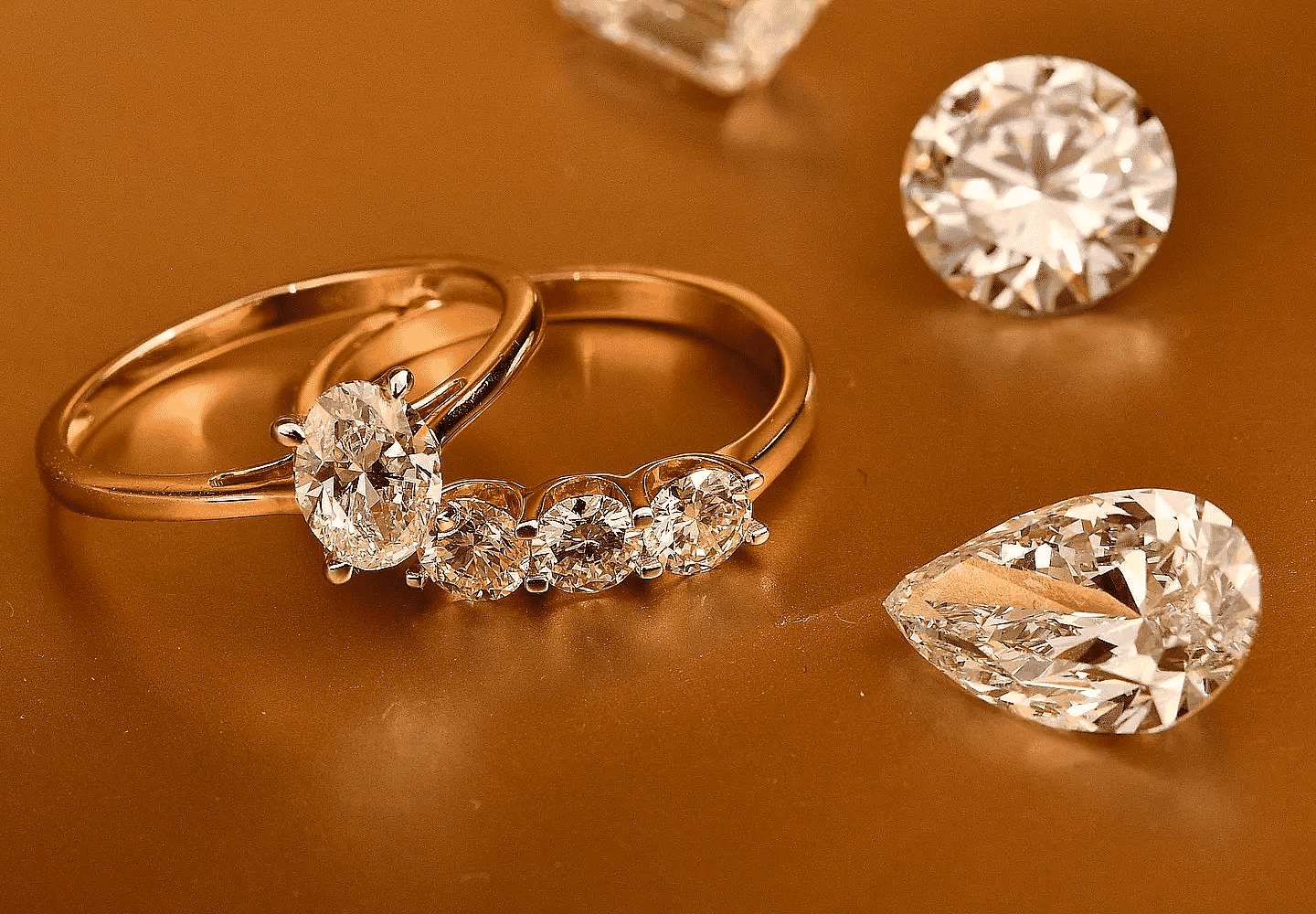
GIA CERTIFIED LAB GROWN DIAMONDS
If you're shopping for diamonds that shine just as bright but come with a lighter price tag and a clearer conscience, GIA-certified lab-grown diamonds might be your perfect pick. These stones mirror natural ones in brilliance, beauty, and strength — just created in controlled environments. Think of them as real diamonds, grown smarter — redefining luxury with innovation and integrity.
TABLE OF CONTENTS
Overview
What Are Lab Grown Diamonds?
Lab grown diamonds are genuine diamonds created in labs, not dug from the earth. They have the same carbon structure and shine as mined ones. Scientists use tech to mimic how diamonds form deep underground. This makes them a smart choice for buyers who want quality without the high cost or environmental worries.
These diamonds come in all shapes, like round or oval, and work great in rings, earrings, and necklaces. Many people pick them for engagement rings because they look identical to natural stones but cost less. Labs can produce them in weeks, not millions of years like nature does. One key point: they're not fakes like cubic zirconia. They're real diamonds, tested and proven by experts.
Meaning of Certification
What Does GIA Certification Mean?
GIA certification proves a diamond's quality from the Gemological Institute of America, a trusted lab since 1931. They check lab grown diamonds just like natural ones, but note they're grown. The report covers the 4Cs: cut, color, clarity, carat. It also confirms no treatments that could hide flaws.
For lab grown, GIA uses terms like "premium" or "standard" starting in 2025, skipping detailed 4Cs for simpler labels. This helps buyers know quality fast. A certified stone means no surprises; you get what the report says. Without it, you risk overpaying for a lower grade.
GIA reports include a laser inscription on the girdle for easy ID. Always ask for this when buying. It builds trust and value, especially for resale.
Discover Our Best Lab Grown Diamond Jewelry

IGI Certified Luxuriant Lab Grown Diamond E-F VS 4.00 CTW Solitaire Stud Earrings in 14K White Gold
These solitaire stud earrings feature high-clarity lab-grown diamonds set in durable 14K white gold for everyday wear. Their simple design highlights the stone's natural brilliance, making them versatile for both casual and formal looks. Pair them with other gold jewelry for a coordinated style that lasts.

Luxuriant Lab Grown Diamond G SI 0.57 ctw Moonlit Promise Ring in Sterling Silver
Cherish your forever love with the Luxuriant lab-grown diamond ring in sterling silver. Its radiant sparkle perfectly captures the essence of eternal devotion. This sterling silver engagement ring symbolizes timeless commitment and sustainable luxury.
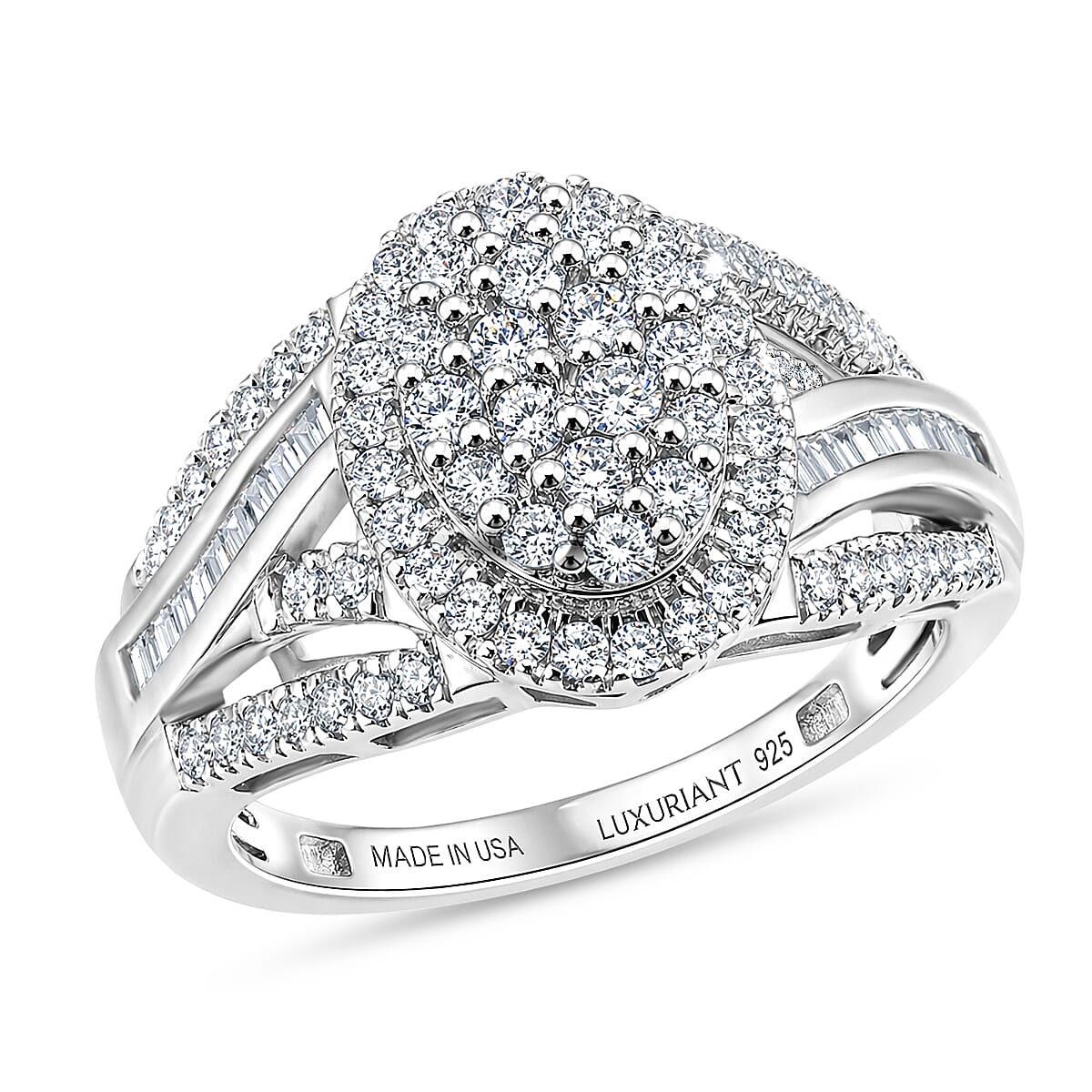
Luxuriant Lab Grown Diamond (G-H, SI) Cocktail Ring
Experience timeless brilliance with this luxuriant lab grown cocktail ring, featuring an impressive sparkling diamonds that radiate exceptional fire and clarity. Designed to impress, this luxurious cocktail ring showcases brilliant G-H SI lab-grown diamonds for timeless elegance and radiant sparkle.
Luxuriant Lab Grown Diamond SI 0.30 CTW Necklace in Rhodium over Sterling Silver
This necklace features lab-grown diamonds in a curved bar pendant on rhodium-plated sterling silver for added luster. The prong settings maximize the gems' brilliance, creating a subtle yet eye-catching accessory. Wear it layered with other chains for a personalized look that suits various necklines.

Luxuriant Lab Grown Diamond E-F VS 3.00 CTW Tennis Bracelet in 18K Vermeil Yellow Gold over Sterling Silver
This tennis bracelet lines up lab-grown diamonds in vermeil yellow gold over sterling silver for a flexible, comfortable fit. Each stone's high clarity ensures consistent sparkle along the length. It's perfect for adding elegance to wrist stacks or as a standalone statement piece.
Formation
How Are Lab Grown Diamonds Made?
Labs use two main ways to grow diamonds: HPHT and CVD. HPHT stands for high pressure, high temperature. It copies the earth's heat and squeeze on carbon. A tiny diamond seed goes into a machine with carbon and metal. Heat hits over 2,000 degrees Fahrenheit, and pressure builds like miles underground. In days or weeks, a rough diamond forms.
CVD means chemical vapor deposition. It starts with a seed in a chamber filled with gas like methane. Microwaves or lasers break the gas, letting carbon atoms stick to the seed. Layer by layer, the diamond grows flat, then gets cut into shapes. This method often makes clearer stones with fewer flaws.
Both ways create diamonds that pass as natural. Some labs add colors, like blue diamond or pink diamonds, by tweaking the process. After growing, stones get cut, polished, and certified.
Certification
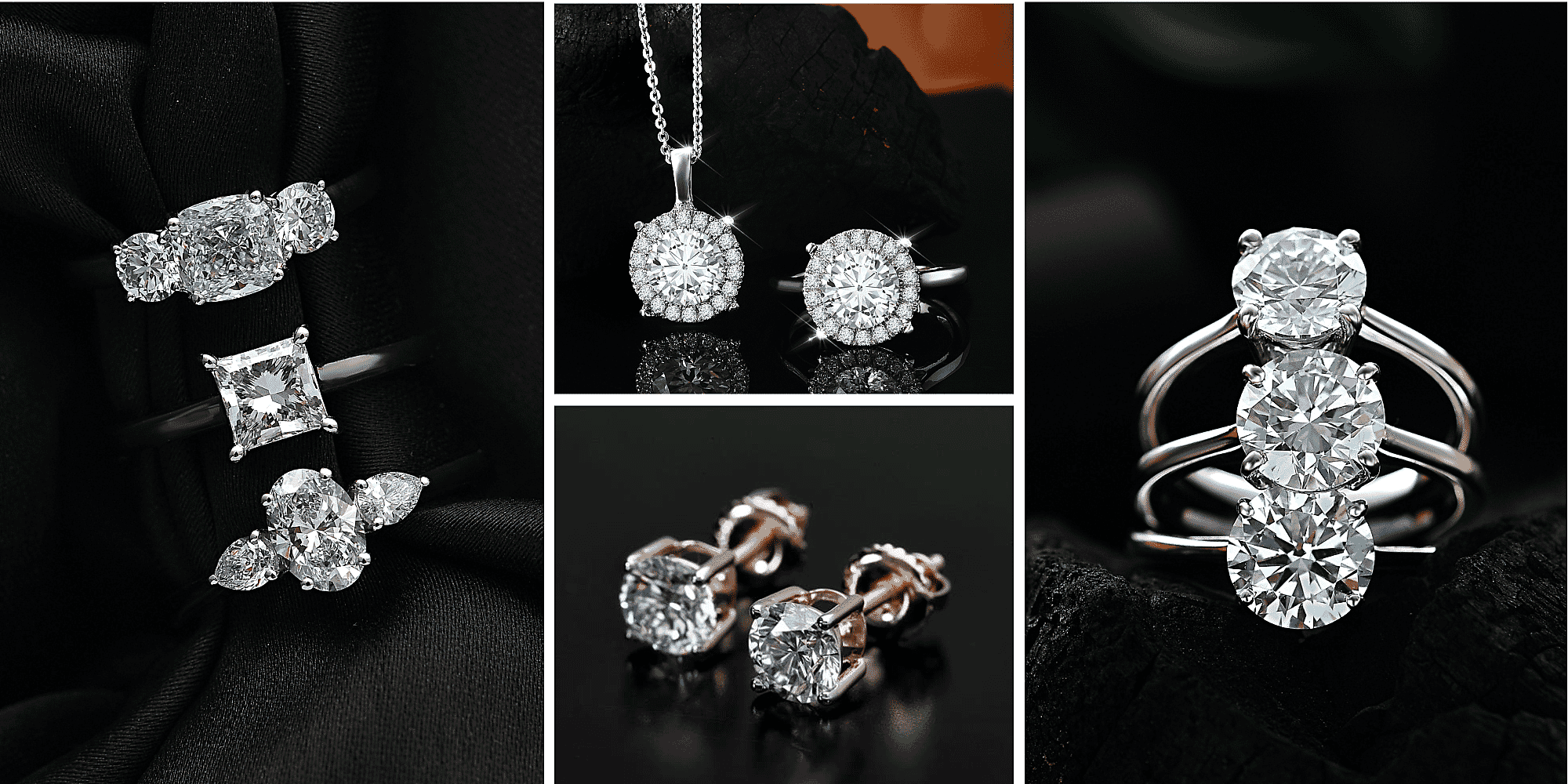
Why Get GIA Certified Lab Grown Diamonds?
Certification from GIA gives peace of mind. It ensures the diamond meets high standards, free from hidden issues. Buyers know the exact grade, making comparisons easy. Non-certified stones might look good but have unseen flaws that dull over time.
In 2025, GIA's new system makes certified lab grown even better for quick picks. Versus others like IGI, GIA is stricter on natural diamonds but now matches for lab grown. Many experts say GIA adds prestige, helping the stone hold value.
For ethics, certified means verified origin. No guesswork. Plus, it's key for insurance. Shop places that offer GIA reports, like our certified and appraised jewelry.
Comparison
What is the Difference Between Lab Grown Diamonds and Natural Diamonds?
Lab grown and natural diamonds share the same makeup: pure carbon. Both score 10 on hardness. They sparkle the same under light. The big difference? Origin. Natural form over eons in earth; lab in weeks.
Price-wise, lab grown cost 50-80% less. A 1-carat natural might run thousands more than lab. Lab diamonds often have fewer inclusions since controlled growth. But some prefer natural for rarity.
Environmentally, lab grown use less water and land. No mining scars. For colors, lab can make rare hues like red diamond easier. Both need the same care to stay bright.
| Aspect | Lab Grown Diamonds | Natural Diamonds |
|---|---|---|
| Formation | Weeks in lab | Millions of years underground |
| Cost | Lower, often 50-80% less | Higher due to rarity |
| Quality | Fewer flaws possible | Varies widely |
| Ethics | No mining impact | Potential conflict concerns |
| Certification | GIA available, same checks | GIA standard |
Benefits
What Are the Benefits of Lab Grown Diamonds?
- Cost Savings: They offer big value by letting you afford larger or better quality stones compared to natural diamonds, ideal for pieces like engagement rings.
- Ethical Source: These diamonds avoid mining conflicts and harm, making them a top pick for people who care about human rights and the planet.
- Easy Customization: You can select precise sizes, shapes, or even rare colors such as champagne diamond to fit your personal style.
- Sustainablility Focus: Created with advanced tech that uses far less resources than digging, they reduce environmental damage from traditional mining.
- Top Quality: Lab processes often result in stones with fewer defects, matching or exceeding the clarity and brilliance of many mined diamonds.
- Style Versatility: Pair them seamlessly with other gems like birthstones such as sapphire to create one-of-a-kind jewelrydesigns.
- Holding Value: As more people accept them, their resale potential improves, especially with growing market demand.
Selection
How to Choose the Right Lab Grown Diamond?
- Learn the 4Cs: Focus on carat, color, clarity, and cut to evaluate quality, where carat measures weight, color grades from D to Z, clarity checks for flaws, and cut affects sparkle.
- Set Your Budget: Decide how much to spend first, as this guides your choices and helps avoid overspending on unnecessary features.
- Prioritize Features: Rank what matters most, like opting for a better cut over size if brilliance is key to you.
- Sustainablility Focus: Created with advanced tech that uses far less resources than digging, they reduce environmental damage from traditional mining.
- Pick a Setting: For items like rings, choose styles such as solitaire rings that highlight the diamond's shape and secure it well.
- Verify Certification: Always select GIA-certified options to confirm authenticity and quality details without doubts.
- Inspect in Various Lights: Examine the stone under natural, indoor, and bright lights to see how it performs in real-life settings.
- Consider Daily Use: Think about wear frequency; go for tougher cuts if it's for everyday pieces to ensure longevity.
- Seek Expert Help: Align the diamond with the recipient's taste, perhaps in promise rings for a meaningful gift.
- Inspect in Various Lights: Reach out via our contact us page for personalized advice on selections.
Affordability
Why Shop LC for GIA Lab-Grown Diamonds?
Shop LC stands out with affordable, quality lab grown diamonds.
- Quality Focus: We offer certified options, ensuring trust with every piece.
- Ethical Practices: Our sourcing keeps things responsible and clear for buyers who care about impact.
- Style Variety: Pieces blend classic and bold designs, fitting any taste in jewelry.
- Value Deals: You get high-end looks without the big spend, making luxury easy to reach.
- Customer Service: We aim for joy with each buy, from pick to wear.
Caring
How Should You Care for Lab Grown Diamonds?
Treat them like natural diamonds for lasting shine.
- Clean Gently: Clean with mild soap and warm water, using a soft brush to remove dirt.
- Avoid Harsh Chemicals: Avoid harsh chemicals that could harm the setting or stone.
- Store Safely: Store separately to prevent scratches from other pieces.
- Ultrasonic Use: Ultrasonic cleaners work for most, but check the settings first.
- Check Professioanlly: Get professional checks yearly to keep them in top shape.
- Mix Cautiously: Mix with gems like turquoise or emerald, but clean gently.
Trends
What Trends Are Shaping Lab Grown Diamonds in 2025?
Treat them like natural diamonds for lasting shine.
- Market Growth: Growth has slowed after rapid gains, but the sector still sees strong sales around billions globally as production advances.
- Affordability Boost: Prices sit 80-90% lower than natural diamonds, letting buyers grab larger or better quality stones without breaking the bank.
- Sustainability Push: Ethical and eco-friendly appeal draws in young buyers, with less resource use and no mining concerns leading the charge.
- Design Innovation: Minimalist pieces with clean lines mix with bold statements like geometric necklaces and stackable rings for personal style.
- Colored Varieties: Hues like pink diamonds, yellow, and blue diamond gain traction in oversized pendants and modern settings.
- Engagement Preferences: Over half of couples opt for lab grown in engagement rings, favoring cuts like oval solitaires and hidden halos for timeless looks.
- Accessory Rise: Tennis bracelets, stud earrings, and hoops top sales for everyday luxury and gifting.
- Tech Integration: Advances in CVD and laser tech blend with tradition, backed by celebrities for wider acceptance in fine jewelry.
FAQs
Q. Can Lab Grown Diamonds Become Cloudy After Extended Use?
A. Lab grown diamonds maintain their clarity over time when properly maintained, as their carbon composition resists natural degradation. Factors like exposure to oils or residues can create a hazy appearance, but this is surface-level and removable with gentle cleaning methods. Regular inspections ensure any buildup is addressed early, keeping the stone's brilliance intact for years.
Q. Which Birthstones Complement Lab Grown Diamonds in Jewelry Designs?
A. Birthstones such as turquoise for December provide a vibrant contrast to the neutral sparkle of lab grown diamonds. Pink tourmaline from October adds a soft hue that enhances feminine pieces. Combining with alexandrite creates dynamic color shifts under different lights.
Q. How do I choose colored diamonds with the best color grade and cut?
A. Labs produce colored diamonds by introducing elements during growth, resulting in shades like yellow or green without relying on rare natural occurrences. These options expand creative possibilities in jewelry, allowing for personalized accents. Pink spinel influences similar tones in diamond variants for coordinated sets.
Q. In What Ways Do Lab Grown Diamonds Work for Men's Accessories?
A. Lab grown diamonds integrate seamlessly into mens rings with subtle settings that emphasize durability. They suit stainless steel pieces for a modern, understated look. Versatile designs make them ideal for cufflinks or pendants beyond traditional rings.
Q. How Well Do Lab Grown Diamonds Pair with Various Gemstones?
A. Lab grown diamonds blend with emerald to create striking green contrasts in multi-stone arrangements. Rose quartz softens the overall aesthetic for romantic themes. This compatibility extends to agate for textured, earthy combinations in custom work.
Q. How Can You Identify a Lab Grown Diamond from a Natural One?
A. Lab grown diamonds often feature specific inscriptions or growth patterns visible under magnification, distinguishing them without affecting appearance. Advanced testing equipment detects differences in trace elements unique to lab processes. Certification documents clearly label origin, aiding in verification.
Q. What Diamond Shapes Are Common in Lab Grown Varieties?
A. Popular cuts include princess and cushion, which maximize light reflection in lab grown stones. These shapes adapt well to solitaire rings or earrings. Availability in marquise offers elongated elegance for unique designs.
Q. Are Lab Grown Diamonds a Good Choice for Wedding Jewelry?
A. Their strength makes lab grown diamonds reliable for daily wear in band rings. Customization options allow matching with promise rings for cohesive sets. Ethical aspects appeal to couples seeking meaningful symbols.
Q. Does the Value of Lab Grown Diamonds Hold Over Time?
A. Lab grown diamonds retain appeal due to consistent quality and growing market acceptance. Factors like cut and clarity influence long-term desirability similar to other gems. Accessibility encourages broader ownership without rarity premiums.
Q. What Future Developments Might Affect Lab Grown Diamonds?
A. Advancements in growth techniques could yield even larger stones with enhanced color control. Integration with sustainable materials may expand applications in necklaces and bracelets. Research focuses on improving optical properties for specialized uses.

Free Shipping
Free shipping on orders above $50

30 Days Free Return
Shop stress-free

100% Secure Payment
Shop with confidence

Customer Support 24/7
Help whenever you need it


 View Cart