


Beauty Oils: How to Choose and Use Oils for Skin, Hair, and Nails
Which beauty oil actually belongs in your routine? Jojoba, argan, rosehip, castor, and moringa often get grouped together, but each has its own texture and tends to work best in different places. Castor oil, for example, is thick enough to coat curly hair but can feel heavy on the face, while rosehip is light and mostly used in facial routines.
TABLE OF CONTENTS
OVERVIEW
What Are Beauty Oils and How Are They Used?
Once you know a few basics, the choice gets simpler: where you'll use the oil, how it feels on your skin or hair, and what's in the bottle. This guide compares five popular beauty oils, explains how to use them on skin, hair, and nails, and covers what to look for on the label, along with a few simple safety tips.
Beauty oils are oil-based products made for skin, hair, or nail care. Most fall into one of three groups:
- Carrier oils (plant oils): Pressed from seeds, nuts, or kernels, such as jojoba, argan, or rosehip. They are usually gentle enough to use on their own, which is why many people use them as everyday face or hair oils.
- Essential oils: Concentrated aromatic extracts from plants, such as lavender or tea tree. They are usually diluted in a carrier oil before they touch skin. Our guide to using essential oils for skin covers dilution in more detail.
- Finished blends: Products that combine several oils, often with vitamins, fragrance, or other ingredients, for a specific use like a hair serum or cuticle oil.
Used well, oils help skin feel softer, condition dry hair, and ease that tight, dry feeling. But a light face oil and a thick castor oil do very different jobs, so match the oil to the task.
SKIN CARE
Best Beauty Oils for Different Skin Types
There is no single best face oil. Texture and your own skin's tolerance matter more than any label claim.
- Dry skin: Richer oils can help seal in moisture. Many people press a few drops over their moisturizer at night when skin feels tight.
- Oily skin: Oily skin still needs moisture. If you want to try an oil, start with a lighter one and use only one or two drops.
- Combination skin: Apply oil only where you need it, such as dry cheeks, and skip your T-zone.
- Sensitive skin: Look for short ingredient lists and fragrance-free formulas. Essential oils and added fragrance are common irritants.
A few habits help with any skin type:
- Read the full ingredient list, not just the oil named on the front.
- Check for fragrance or ingredients you've reacted to before.
- Start with a small amount.
- Patch-test on your inner arm or behind your ear for a few days before using it on your face.
- Stop using any product that causes redness, itching, or breakouts.
Cosmetic oils are not a treatment for acne, eczema, or other skin conditions. If you're managing one, ask a dermatologist before adding a new oil.
HAIR CARE
Beauty Oils for Hair Care
On hair, oils work on the surface. They soften dry lengths, tame the look of frizz, and help a comb glide through.
- Lengths vs. scalp. Most hair oils are meant for the mid-lengths and ends, where hair is oldest and driest. Warm one or two drops between your palms and smooth them over damp or dry ends. Scalp application is a separate use. Only apply an oil to your scalp if the product's directions say it's meant for that.
- Fine hair. Fine or thin hair gets weighed down quickly. Use the smallest amount you can, stick to the ends, and try a lighter oil like argan rather than castor.
- Curly, coily, and textured hair. Thicker hair often takes more oil. Many people use it to seal in moisture after a leave-in conditioner, or as a pre-wash treatment on lengths. Work in sections so the oil spreads evenly.
- A note on hair growth. Castor oil and other oils are often promoted for hair growth, but cosmetic oils are not proven to grow hair or stop hair loss. If you're noticing thinning or scalp problems, a dermatologist is the right place to start.
NAIL CARE
Oils for Nails and Cuticle Care
Cuticle oil is one of the simplest at-home manicure steps. A product made for nails can soften dry cuticles and the skin around your nails, especially in winter or after lots of hand washing.
To use it, apply a small amount to clean nails and cuticles, then massage it in until it's absorbed. Right after a manicure or just before bed both work well. Check your product's label for how often to use it.
Cuticle oil is a grooming step, not a treatment. Discolored, thick, or painful nails can signal a fungal infection or another problem that needs a doctor's attention.
COMPARISON
Jojoba, Argan, Rosehip, Castor, and Moringa Oil Compared
| Oil | Common cosmetic uses | Texture and application | Limitations and selection tips |
|---|---|---|---|
| Jojoba | Face, body, hair ends, makeup removal | Light to medium; absorbs fairly easily | Technically a liquid wax. Check for added fragrance. |
| Argan | Hair ends, frizz control, face, body | Light; a little goes a long way | Many "argan" products are blends. Check where argan sits on the ingredient list. |
| Rosehip | Face oil, usually at night | Light, dry finish | Goes rancid faster than most oils. Store as directed and use it within the label's time frame. |
| Castor | Hair lengths, body, blending with lighter oils | Very thick and sticky | Hard to spread alone. Often mixed with lighter oils. Not a proven hair-growth treatment. |
| Moringa | Body, face, hair | Light to medium | Check the label for its intended use, since some products are body-only. |
| Nail and cuticle oil | Cuticles and the skin around nails | Light; applied by the drop | Made for nails only. Follow the label directions. |
- Jojoba oil is a liquid wax pressed from jojoba seeds. Its smooth feel makes it a common pick for face, body, and hair ends. It won't fix acne or control oil production. For a deeper look, read our post on jojoba oil benefits for skin and hair.
- Argan oil comes from the kernels of the argan tree in Morocco. It's best known as a hair oil for smoothing dry ends. How it feels depends on the formula and the amount, so start with one drop.
- Rosehip oil is pressed from the seeds of wild rose plants. It's popular in nighttime facial routines. It's rich in unsaturated fatty acids, which makes it more likely to spoil, so check the ingredient list, the storage directions, and the smell before you use it. It won't erase scars or reverse aging.
- Castor oil is much thicker than the others. It's often used on hair lengths or mixed with a lighter oil to make it easier to spread.
- Moringa oil, sometimes called ben oil, comes from the seeds of the moringa tree. It's light and is found in body and skin products. Use it the way the product directions describe.
ROUTINE
How to Add Beauty Oils to Your Daily Routine
You don't need oil in every step. Start with one oil, one area, and one time of day.
Morning
- Cleanse, or just rinse with water.
- Apply your usual serum or moisturizer.
- Add one or two drops of face oil if your skin needs it and it doesn't pill under makeup.
- Finish with sunscreen.
Evening
- Cleanse.
- Apply any treatment products and your moisturizer.
- Press in a few drops of face oil, following the product's directions.
A common rule of thumb is to go from thinnest to thickest texture, so oil usually goes after a water-based moisturizer. But formulas vary. If your product's label says otherwise, follow the label.
For hair, start with a drop or two on the ends. For nails, keep cuticle oil by your bed so it becomes a habit.
BUYING TIPS
How to Choose the Right Beauty Oil
Before you buy, run through this checklist:
- Where will you use it? Face, body, hair, scalp, or nails. Pick a product made for that area.
- What's your skin or hair type? Dry, oily, fine, curly, or sensitive.
- How heavy is it? Lighter oils absorb quickly. Thicker oils leave more residue.
- What's in it? Read the full ingredient list for fragrance, essential oils, and known allergens.
- What do the directions say? Check warnings and whether it's meant to be used straight or diluted.
- How should you store it? Note any storage guidance and whether the bottle protects the oil from light.
- How much do you need? A small bottle is a low-risk way to test a new oil. Sets let you try several before committing to a full size.
One oil rarely covers everything. Many people end up with a face oil, a hair oil, and a cuticle oil, each used for its own job.
SAFETY
Beauty Oil Safety, Storage, and Common Mistakes
"Natural" doesn't always mean gentle. Plant oils can still cause irritation or allergic reactions, so keep these habits in mind:
- Patch-test every new oil before regular use.
- Keep oils away from your eyes and the inside of your nose and mouth.
- Check ingredient lists for allergens, including nut-derived oils if you have a nut allergy.
- Never put undiluted essential oils on skin unless the product's own directions say it's safe.
- Store each oil the way its label says, usually away from heat and direct sunlight.
- Check the expiration date. Toss any oil that smells off or has changed color or texture.
- Don't overdo it. Too much oil leaves skin greasy and hair limp.
If you have ongoing skin, scalp, or nail concerns, talk to a dermatologist or doctor.
Beauty Oils to Try at Shop LC

Marigold and Lotus Cold Pressed 100% Natural Jojoba Oil (3.3 oz): best everyday all-rounder
One ingredient, unrefined jojoba seed oil, and a lot of ways to use it. The product page suggests it as a daily face moisturizer, a leave-in conditioner for hair, and a makeup remover. If you only want one bottle on your shelf, start here.

Marigold & Lotus Set of 3 Rosehip, Jojoba and Argan Oils: best for testing face oils
Three small bottles, each made for the face and neck. Use them one at a time for a week or two and notice which texture your skin likes best. It's an easy way to compare before you commit to a full size.

Marigold & Lotus Rosehip Oil (3.3 oz): best nighttime face oil
A 100 ml bottle of rosehip oil for your evening routine. Press two or three drops onto your face after moisturizer. Rosehip spoils faster than most oils, so close the cap tightly and keep it out of the sun.

Papa Rozier Castor Oil of Haiti (2 oz): best for curly hair and dry spots
This is 100% pure cold-pressed castor oil, made for skin, curly hair, beards, and dry feet. It's thick, so warm a few drops between your palms before smoothing it over your lengths. The brand recommends storing it somewhere cool and dry.

Papa Rozier Moringa Oil of Haiti (2 oz): best multipurpose oil
Cold-pressed moringa oil from Haiti, listed for hair, skin, nails, and scalp. Its lighter feel makes it a good middle ground if castor feels too heavy for you.
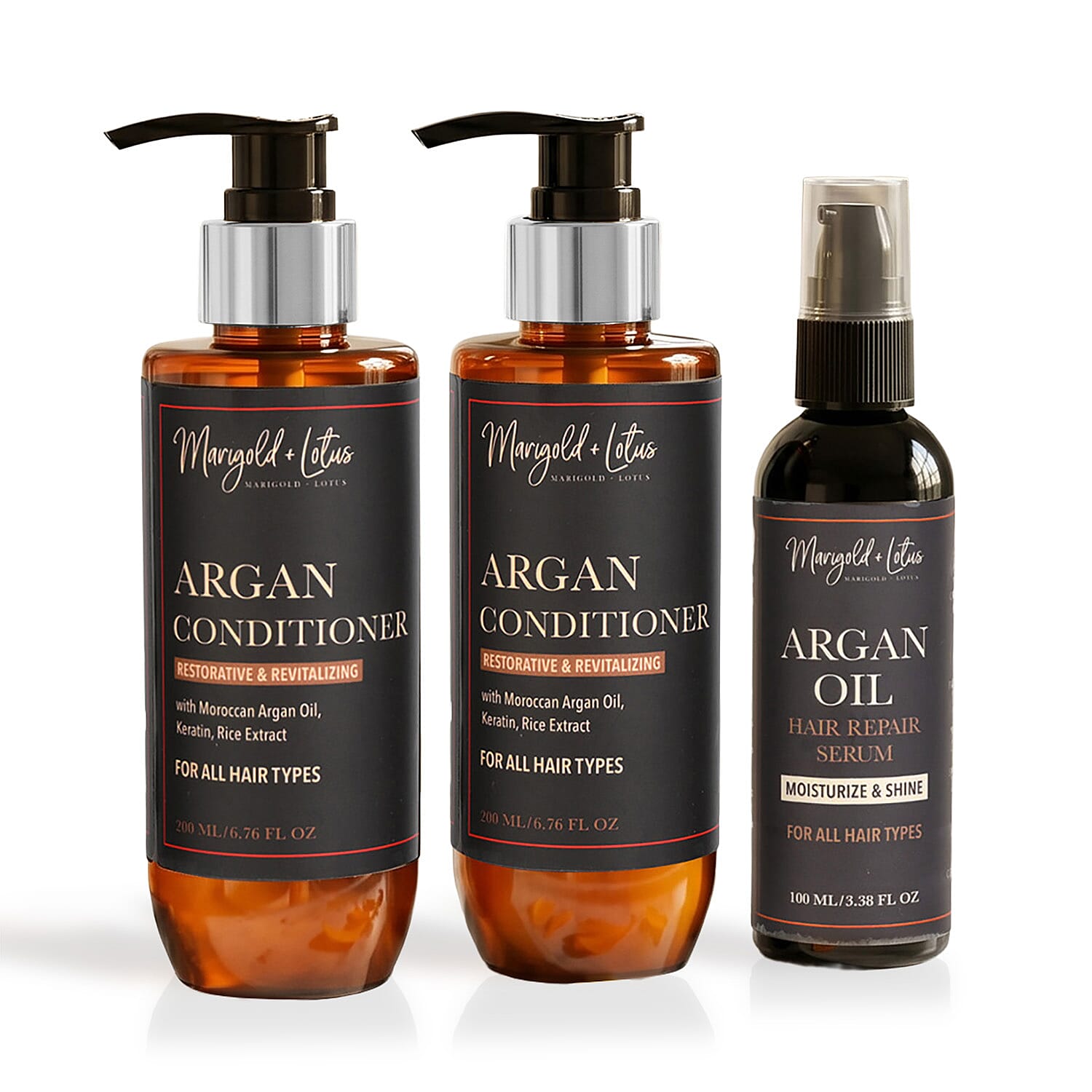
Marigold & Lotus Argan Oil, Shampoo and Conditioner Hair Care Serum: best argan pick for hair
If argan for hair is your main goal, this Marigold & Lotus pick focuses on shine and smoother, less frizzy strands. Follow the label for how to use each product.

7. Papa Rozier Nail & Cuticle Oil (4 ml): best for cuticles
A blend of moringa and castor oils with lemon, rose, and grapefruit essential oils. Apply a small amount to clean nails and cuticles and massage it in, after a manicure or overnight. Because it contains essential oils, patch-test first if your skin is sensitive.
EXPLORE
Explore Beauty Oils at Shop LC
The right oil is the one that fits how you'll actually use it. Pick one area to start with, whether that's your face, your hair, or your cuticles, and build from there. Shop LC's Beauty Oils collection has single oils, hair-care picks, body oils, and nail care, so you can try something new without overspending.
FAQs
Q. What are beauty oils used for?
A. Beauty oils are used to soften skin, condition hair, and ease dryness on cuticles and body. Most people use them as a final step to seal in moisture. Pick one made for the area you want to treat, since face, hair, and nail oils are formulated differently.
Q. Which beauty oil is best for dry skin?
A. There's no single best oil for dry skin, but many people with dry skin like jojoba or a richer plant oil pressed over moisturizer at night. Choose a fragrance-free formula and patch-test it first, since tolerance varies from person to person.
Q. Can you use facial oil on oily skin?
A. Yes, many people with oily skin use a face oil, as long as it feels comfortable and doesn't cause breakouts. Start with one or two drops of a lightweight oil, apply it only where skin feels dry, and stop if you notice congestion.
Q. What is the difference between carrier oils and essential oils?
A. Carrier oils are plant oils, like jojoba or argan, that are usually gentle enough to use on their own. Essential oils are concentrated aromatic extracts that are usually diluted in a carrier oil first. Never apply essential oils undiluted unless the product says it's safe.
Q. How do you use beauty oils on your hair?
A. Rub one or two drops between your palms and smooth them over the mid-lengths and ends, on damp or dry hair. Use less on fine hair and more on thick or curly hair. Only apply an oil to your scalp if its directions say so.
Q. Can beauty oils help soften dry cuticles?
A. Yes, an oil made for nails can soften dry cuticles and the skin around them. Apply a small amount to clean nails and cuticles and massage it in, following the label. Persistent nail changes or pain should be checked by a doctor.
Q. Should you apply facial oil before or after moisturizer?
A. Most people apply facial oil after a water-based moisturizer, since oils are usually the heaviest step and help seal everything in. In the morning, sunscreen still goes on last. If your product's directions give a different order, follow the label.
Q. How do you choose a beauty oil for sensitive skin?
A. Look for a short ingredient list with no added fragrance or essential oils. Patch-test on your inner arm for a few days before using it on your face. Stop if you notice redness or itching, and ask a dermatologist if irritation continues.

Free Shipping
Free shipping on orders above $50

30 Days Free Return
Shop stress-free

100% Secure Payment
Shop with confidence

Customer Support 24/7
Help whenever you need it


 View Cart