


HOW TO IDENTIFY IF A PERIDOT IS A REAL STONE?
Bright, refreshing, and full of character, peridot has a green glow that makes it instantly appealing. Its lively color suits rings, earrings, pendants, and much else. But one question comes up again and again when shopping for this gemstone: Is the peridot real?
If you are wondering how to tell if peridot is real, you are not alone. Green glass and other gemstones can resemble it closely. Knowing what to look for helps you make a more informed choice, and genuine peridot has several distinctive characteristics, including its color, optical properties, and internal features. This guide walks you through seven useful ways to examine the gemstone, understand common imitations, and recognize when professional testing is necessary.
Our Bestsellers
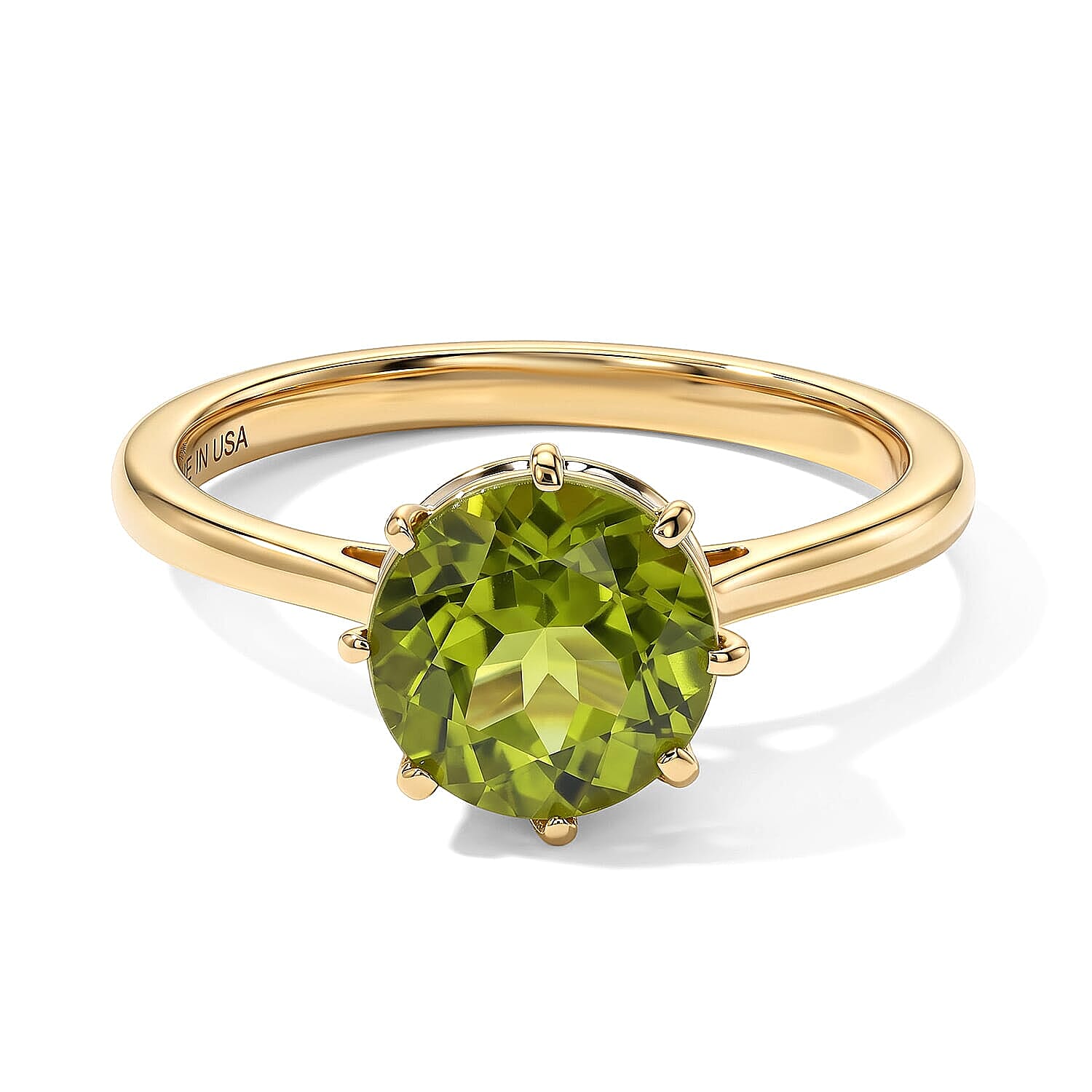
D'Joy Premium Hebei Peridot and Moissanite 3.00 ctw Gardenia Solitaire Ring
Celebrate fresh color with this D'Joy Gardenia solitaire ring, featuring premium Hebei peridot accented by sparkling moissanite. Set in 18K vermeil yellow gold over sterling silver, its floral-inspired design brings elegant warmth, graceful shine and a distinctive statement to special occasions.
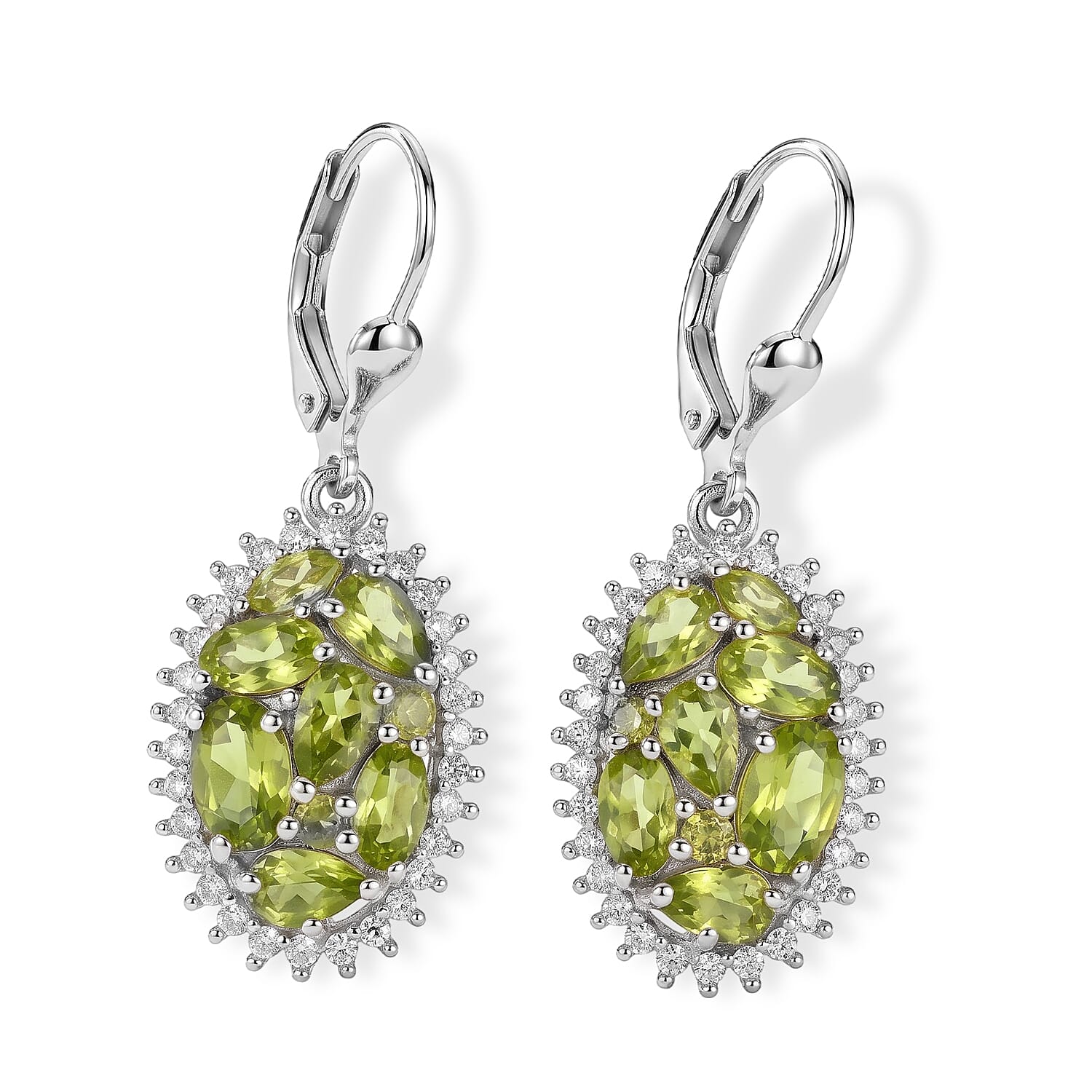
D'Joy Hebei Peridot and Moissanite 4.25 ctw Bouquet Earrings
Brighten your look with these D'Joy bouquet earrings, showcasing Hebei peridot with sparkling moissanite accents. Crafted in 925 sterling silver, the floral-inspired design adds refreshing color and brilliant contrast, making these earrings a graceful choice for celebrations, dinners and elevated everyday style.

EverTrue Hebei Peridot 2.75 ctw Glow Heart Earrings
Add a joyful touch of green with these EverTrue Hebei peridot heart earrings. The 2.75 ctw gemstone presence pairs beautifully with 18K yellow gold plating, creating a warm, romantic look with charming color and easy elegance for everyday or occasion-ready outfits.
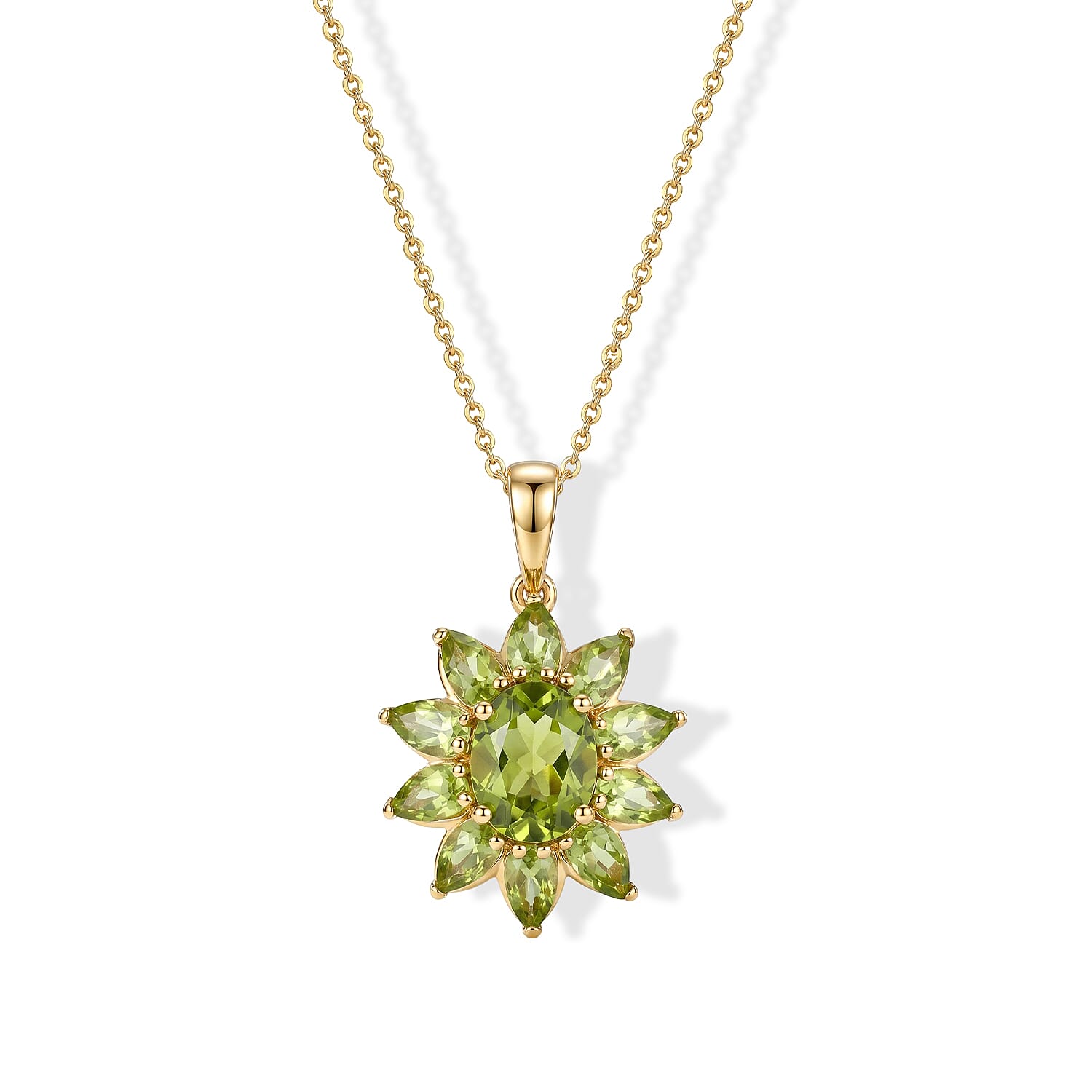
D'Joy Hebei Peridot 4.35 ctw Forest Blossom Pendant Necklace
Bring nature-inspired elegance to your neckline with this D'Joy Forest Blossom pendant necklace. Featuring 4.35 ctw Hebei peridot in 18K vermeil yellow gold over sterling silver, the 20-inch design combines fresh green color, floral charm, and graceful styling for versatile wear.
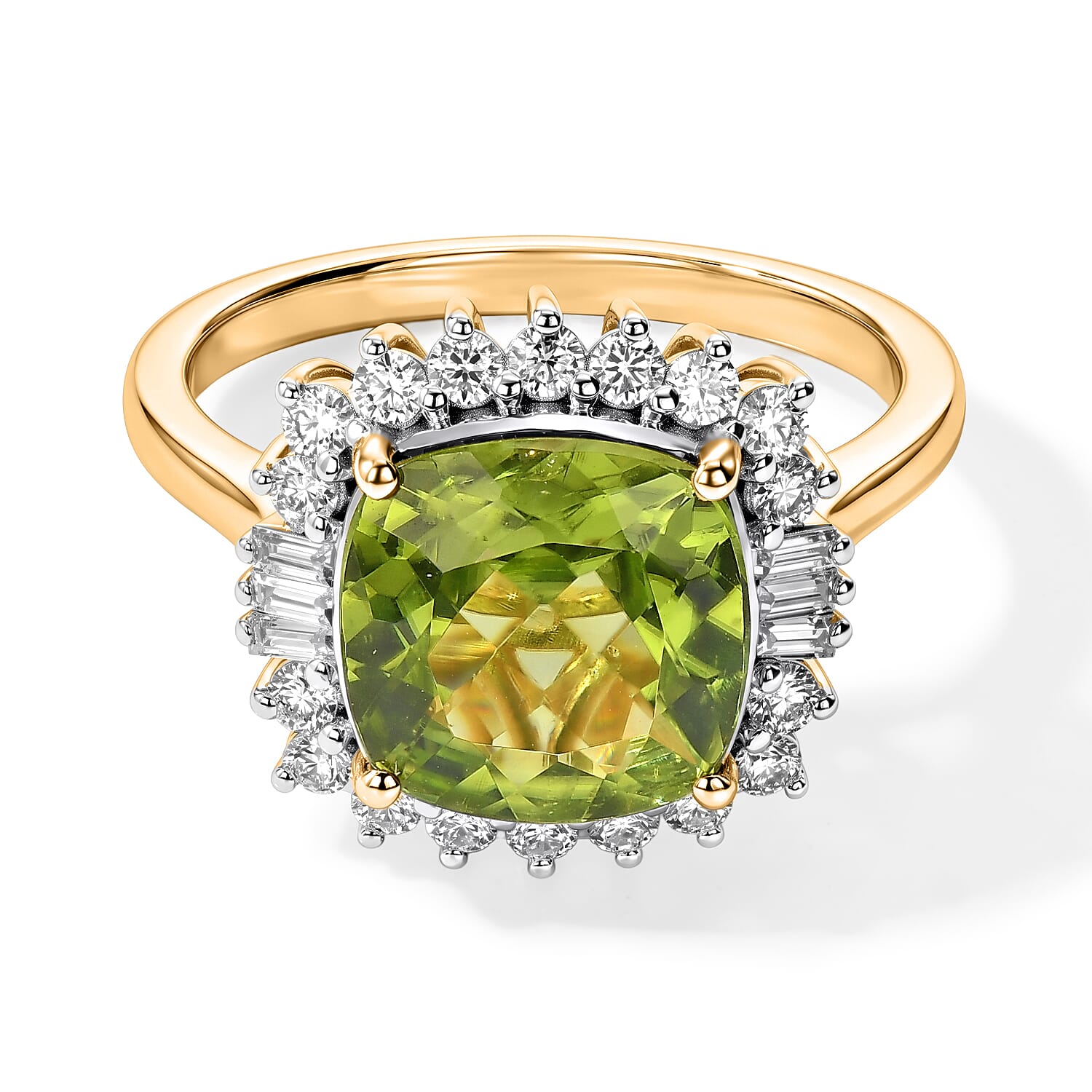
Certified and Appraised D'Joy Premium Hebei Peridot and Moissanite 4.35 ctw Ring
Make a refined statement with this certified and appraised D'Joy ring, featuring premium Hebei peridot accented by sparkling moissanite. Set in 18K vermeil yellow gold over sterling silver, the 4.35 ctw design offers vibrant green color, elegant brilliance, and elevated craftsmanship.
OVERVIEW
What Is a Real Peridot Gemstone?
Peridot is the gem-quality variety of olivine, a mineral that forms deep within the Earth and in certain volcanic environments. Most gemstones get their color from trace impurities. Peridot does not. Its signature green comes from iron within the chemical composition itself, which is why the color ranges only from yellowish green to rich grass green.
Peridot also holds a special place in gemstone history. It has been admired for centuries and is recognized as one of the birthstones of August, and some rare peridot crystals have even been discovered in meteorites. According to the GIA peridot guide, peridot measures 6.5 to 7 on the Mohs hardness scale and displays particularly strong double refraction, an optical feature that can help gemologists identify it.
IDENTIFICATION
7 Ways to Tell If Peridot Is Real
No single at-home observation can guarantee authenticity. What helps is checking several characteristics together, since a combination of clues is far harder for an imitation to pass than any one test on its own.
1. Examine the Gemstone's Green Color
One of the first things to notice about peridot is its distinctive green color. Genuine peridot commonly displays yellowish-green, olive-green, or grass-green tones. The range is narrow. Unlike gemstones that appear in several dramatically different colors, the familiar gem variety of peridot stays within that limited green band.
When examining a stone, look for a pleasing green hue with subtle yellow undertones. More saturated, richly colored peridot is generally considered desirable, while noticeable brownish tones can reduce its value. However, color alone cannot confirm authenticity. Green glass, synthetic materials, and other gemstones can closely resemble the appearance of genuine peridot.
2. Look for Double Refraction
One of peridot's most recognizable optical features is strong double refraction, also called birefringence. Light entering the stone can split into two rays. That split may create a doubling effect when you look through the gemstone at its internal facet edges.
Try examining a clean, faceted peridot with a 10x jeweler's loupe. Look through the crown toward the pavilion facets and slowly adjust the angle. Under suitable conditions, some facet junctions may appear doubled. This feature is particularly useful because ordinary glass does not typically display the same strong doubling effect.
Still, the appearance depends on the gemstone's orientation and cut. A lack of visible doubling does not automatically mean the stone is fake, and other doubly refractive gemstones can show similar behavior.
3. Check for Inclusions Under Magnification
Genuine peridot can contain internal features that offer valuable clues about its identity. The best known is the lily pad inclusion. These are small disk-like fractures that may surround tiny mineral crystals, creating an appearance similar to a lily pad floating on water. Other inclusions may include tiny dark mineral crystals or fine internal structures.
Use a 10x magnifying loupe to examine the gemstone under good lighting. Look carefully for internal details rather than assuming every genuine gemstone must be completely flawless. However, not every natural peridot has visible inclusions. Fine-quality stones are often eye-clean, and the presence of inclusions by itself does not prove authenticity.
4. Observe the Gemstone Under Different Lighting
Peridot can look slightly different depending on the lighting. Place the gemstone under indirect daylight, then view it under a neutral white light. Notice its green tone, brightness, and how evenly its color appears throughout the stone.
A genuine peridot may show variations as the light changes, but it generally retains its characteristic green identity. Be cautious about relying on dramatic color changes as evidence of authenticity. Peridot is not typically considered a color-change gemstone, and lighting observations are useful for evaluating appearance and quality rather than for distinguishing peridot from a convincing imitation.
5. Understand Peridot's Hardness
Peridot measures approximately 6.5 to 7 on the Mohs scale of mineral hardness. That is reasonably durable. It can resist some everyday wear but remains more vulnerable to scratching than harder gemstones such as sapphire and diamond.
Some online advice recommends performing a scratch test to determine whether peridot is genuine. Avoid it. This method can permanently damage a gemstone, especially when it is already mounted in jewelry. Instead, consider hardness a characteristic that trained professionals can evaluate using appropriate methods, and remember that existing scratches do not establish whether a stone is genuine, since they depend on previous handling and wear.
6. Compare the Stone With Common Peridot Imitations
Some materials can look surprisingly similar to genuine peridot, particularly when viewed without magnification. Green glass is the most common imitation. Other gemstones, including certain green varieties of tourmaline and synthetic spinel, may also be presented as peridot lookalikes. The following table explains some differences worth understanding.
| Characteristic | Genuine Peridot | Common Imitations |
|---|---|---|
| Color | Usually yellowish green to grass green | Can imitate similar tones |
| Double refraction | Strong, sometimes visibly doubles facets | Varies by material |
| Inclusions | May feature lily pads or mineral crystals | May contain bubbles or other internal features |
| Hardness | 6.5 to 7 Mohs | Depends on material |
| Identification | Confirmed through gemological testing | Requires testing to distinguish reliably |
Rounded gas bubbles in a green stone may suggest a glass imitation. Bubbles alone are not definitive evidence. The most dependable distinction comes from identifying the gemstone's physical and optical properties rather than judging appearance alone.
7. Request Professional Gemstone Verification
Professional identification is the most reliable option for a valuable peridot. A qualified gemologist may use specialized equipment to examine its refractive index, birefringence, specific gravity, and microscopic characteristics. Peridot typically has a refractive index of roughly 1.65 to 1.69, and those measurements, interpreted alongside other observations, can help distinguish it from similar-looking materials.
When buying a gemstone, ask about the stone's identity, any available gemological reports, and the return policy. For higher-value purchases, an independent identification report can provide additional reassurance.
WARNING SIGNS
What Are the Signs of a Fake Peridot?
Appearance alone cannot establish whether a stone is fake. Several warning signs still deserve closer attention when you are evaluating a purchase.
- Unusual color: A gemstone marketed as peridot but displaying a color far outside its expected range may require verification.
- Suspicious internal bubbles: Numerous rounded bubbles may indicate glass, although professional examination is needed.
- Misleading descriptions: Vague product information that avoids identifying the gemstone material should encourage further questions.
- Unsupported authenticity claims: Sellers should be able to explain what they mean by genuine or real peridot.
- Unrealistic pricing claims: Extremely low prices for stones advertised as exceptional, rare specimens can justify additional scrutiny.
Remember that affordable peridot is not necessarily fake. Smaller genuine peridot gemstones can be reasonably priced, depending on their quality, size, and overall appearance.
VALUE
Real Peridot vs. Fake Peridot: Does Price Tell the Difference?
Price can influence purchasing decisions, but it should never be used as the only test of authenticity. Real peridot is available across a wide range of prices. Smaller stones with lighter green colors are often more affordable, while larger gemstones with excellent clarity, attractive cuts, and saturated color can command higher prices.
The value of peridot generally depends on four quality factors. Color, clarity, cut, and carat weight. A beautifully cut gemstone with lively color and minimal visible inclusions may be more desirable than a larger stone with dull color or obvious imperfections, and according to GIA's peridot quality factors, the finest peridot often displays an intense green hue without noticeable brownish undertones.
Do not assume an expensive stone is genuine. Do not assume an affordable one is fake. Evaluate the seller's credibility and the identification information available instead.
BUYING TIPS
How to Buy Genuine Peridot With Confidence
Choosing peridot jewelry should be an enjoyable experience. Whether you are looking for a statement ring, delicate earrings, or a meaningful August birthstone gift, a little research helps you buy with confidence. Before purchasing, consider the following:
- Choose a retailer that clearly identifies the gemstone.
- Review the gemstone's color, cut, clarity, and size.
- Examine available product photographs and descriptions.
- Check whether any gemological documentation is provided.
- Understand the return and exchange policies.
- Seek professional verification for expensive or uncertain purchases.
Explore peridot jewelry and gemstones at Shop LC. The collection covers different green hues, cuts, and jewelry styles.
Frequently Asked Questions About Real Peridot
Q. How can you tell if peridot is real without professional tools?
A. Examine its yellowish-green color under good lighting and look for doubled facet edges or lily pad inclusions using a 10x loupe. These observations are useful clues, but they cannot confirm authenticity without appropriate gemological testing.
Q. Does real peridot have bubbles inside?
A. Genuine peridot can contain natural internal inclusions, including the disk-like lily pad formations it is known for. Rounded gas bubbles are more often associated with glass imitations, though a gemologist should evaluate the complete inclusion pattern.
Q. Does real peridot change color in sunlight?
A. Genuine green peridot may appear slightly different under daylight compared with indoor lighting, but it is not known for dramatic color-changing behavior. Lighting observations alone cannot establish whether a gemstone is authentic peridot.
Q. Can fake peridot look exactly like real peridot?
A. Yes, green glass and certain other gemstones can closely resemble peridot to the unaided eye, particularly in smaller sizes. A qualified gemologist can distinguish these materials using appropriate optical and physical tests.
Q. Is real peridot an expensive gemstone?
A. Peridot is available at a wide range of price points, so cost alone says little about authenticity. Smaller stones are often affordable, while large examples with rich green color and excellent clarity can be significantly more valuable.
Q. What is the most reliable way to identify genuine peridot?
A. Professional gemological examination remains the most reliable approach for confirming authenticity. Tests of refractive index, double refraction, and specific gravity, interpreted together, can help establish whether a gemstone is genuine peridot.
Conclusion
Final Thoughts
Peridot has a refreshing green color, a rich history, and distinctive optical properties. Learning to recognize characteristics such as double refraction, lily pad inclusions, and its signature green hue can help you evaluate a stone more carefully.
However, no single visual clue should replace proper gemstone identification. When authenticity matters, a qualified gemologist can provide the most reliable assessment. With the right information and a trustworthy seller, you can enjoy choosing peridot jewelry with greater confidence.

Free Shipping
Free shipping on orders above $50

30 Days Free Return
Shop stress-free

100% Secure Payment
Shop with confidence

Customer Support 24/7
Help whenever you need it


 View Cart