


Lab Grown Diamonds vs. Moissanite – Know the Difference
Choosing between moissanite and lab-grown diamonds can be confusing. Moissanite is silicon carbide known for its colorful fire, while lab-grown diamonds are real diamonds with the same chemical composition as mined diamonds. Understanding the difference can help you choose the right gemstone for your style and budget.
TABLE OF CONTENTS
OVERVIEW
Introduction
It should be thrilling to select a lovely center stone. Because both can appear dazzling, clear, and exquisite, moissanite and lab-created diamond jewelry are frequently discussed together. They are not the same substance, tho. One is a unique gemstone honored with vibrant fire, and the other is a diamond produced in a lab. Whether you're planning a bespoke design, upgrading a cherished item, or selecting an engagement ring, knowing these distinctions can make the process easier. You can choose a piece that feels good every time you wear it and spend money with confidence when you compare it carefully. Look at past initial impressions when contrasting lab-created and moissanite diamonds. The purchasing experience is shaped by composition, sparkling, hardness, pricing, grade, and visual size. Finding the stone that works for you takes precedence over selecting a universal winner once you are aware of what each alternative has to offer.
Meaningfulness
What Is Moissanite?
Gemstone moissanite is made from silicon carbide. Natural moissanite is extremely rare, so most material used in modern jewelry is created in laboratories. It has become a popular choice for rings, earrings, and pendants because it combines excellent durability with a bright, lively appearance.
A moissanite stone is especially known for its colorful fire. Fire describes the rainbow-like flashes that appear as light moves through a gemstone. Under sunlight or bright indoor lighting, those flashes can look wonderfully energetic. Moissanite also ranks around 9.25 on the Mohs hardness scale, making it well suited to jewelry worn regularly.
SCIENCE
What Is a Laboratory-Created Diamond?
A real diamond made under controlled circumstances, as opposed to one extracted from the soil, is called a laboratory-created diamond. It has the same basic chemical, physical, and visual characteristics as diamonds and is made up of carbon organized in a diamond crystal structure.
Diamonds are typically produced by manufacturers using Chemical Vapor Deposition (CVD) and High-Pressure High Temperature (HPHT). The crystals are then polished and shaped by cutters.
For consumers, the most important thing to remember is that moissanite is a different gemstone from lab-created diamonds. This distinction affects price, sparkle, grading, and the whole purchasing experience.
Difference
Quick Comparison
Both can create beautiful jewelry. The better option depends on what you want to see, spend, and wear.
| Feature | Moissanite | Laboratory-Created Diamond |
|---|---|---|
| Composition | Silicon carbide | Carbon in diamond crystal structure |
| Gem identity | Distinct gemstone | Diamond |
| Mohs hardness | About 9.25 | 10 |
| Sparkle | Strong rainbow fire | Classic diamond brilliance |
| Refraction | Doubly refractive | Singly refractive |
| Typical price | Generally lower | Generally higher |
| Size for budget | Often larger-looking | Depends on quality and specifications |
| Grading | Documentation varies | Independent reports often available |
| Daily wear | Excellent option | Excellent option |
| Engagement rings | Popular alternative | Popular diamond choice |
Our Bestseller

Luxuriant Lab Grown Diamond G-H SI 1.00 ctw Cluster Ring in Rhodium Over Sterling Silver
Elevate your jewelry collection with this luxuriously crafted lab-grown diamond cluster ring. Featuring 1.00 ctw of G-H color, SI clarity diamonds, the clustered design creates a bright, dimensional look. Rhodium over sterling silver adds lasting shine, making this ring an elegant choice for celebrations or everyday styling.
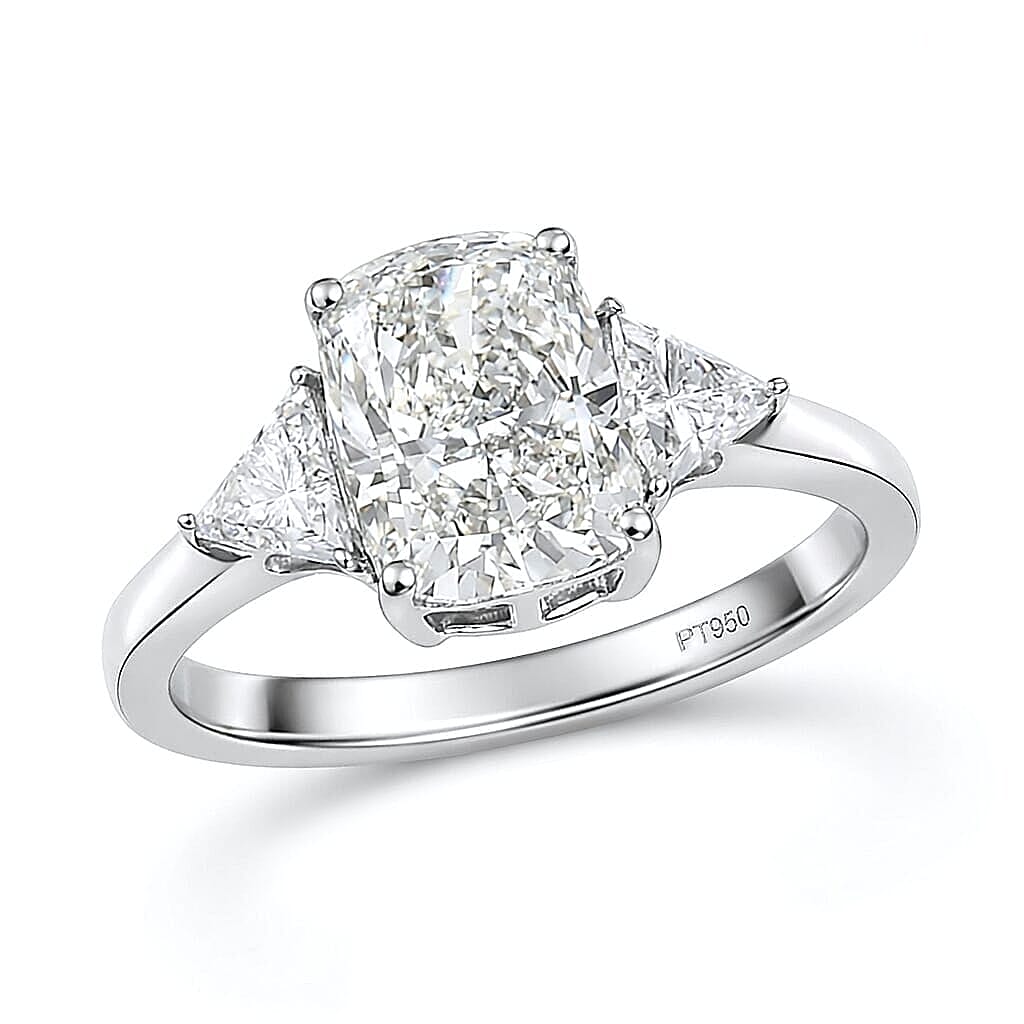
Luxuriant Lab Grown Diamond E-F VS 2.50 ctw Ring in 950 Platinum 4.26 Grams
Make a striking statement with this Luxuriant lab-grown diamond ring in 950 platinum. Showcasing 2.50 ctw of E-F color, VS clarity diamonds, the design delivers refined brilliance with a premium finish. Weighing 4.26 grams, it offers a sophisticated presence for special occasions or milestone moments.
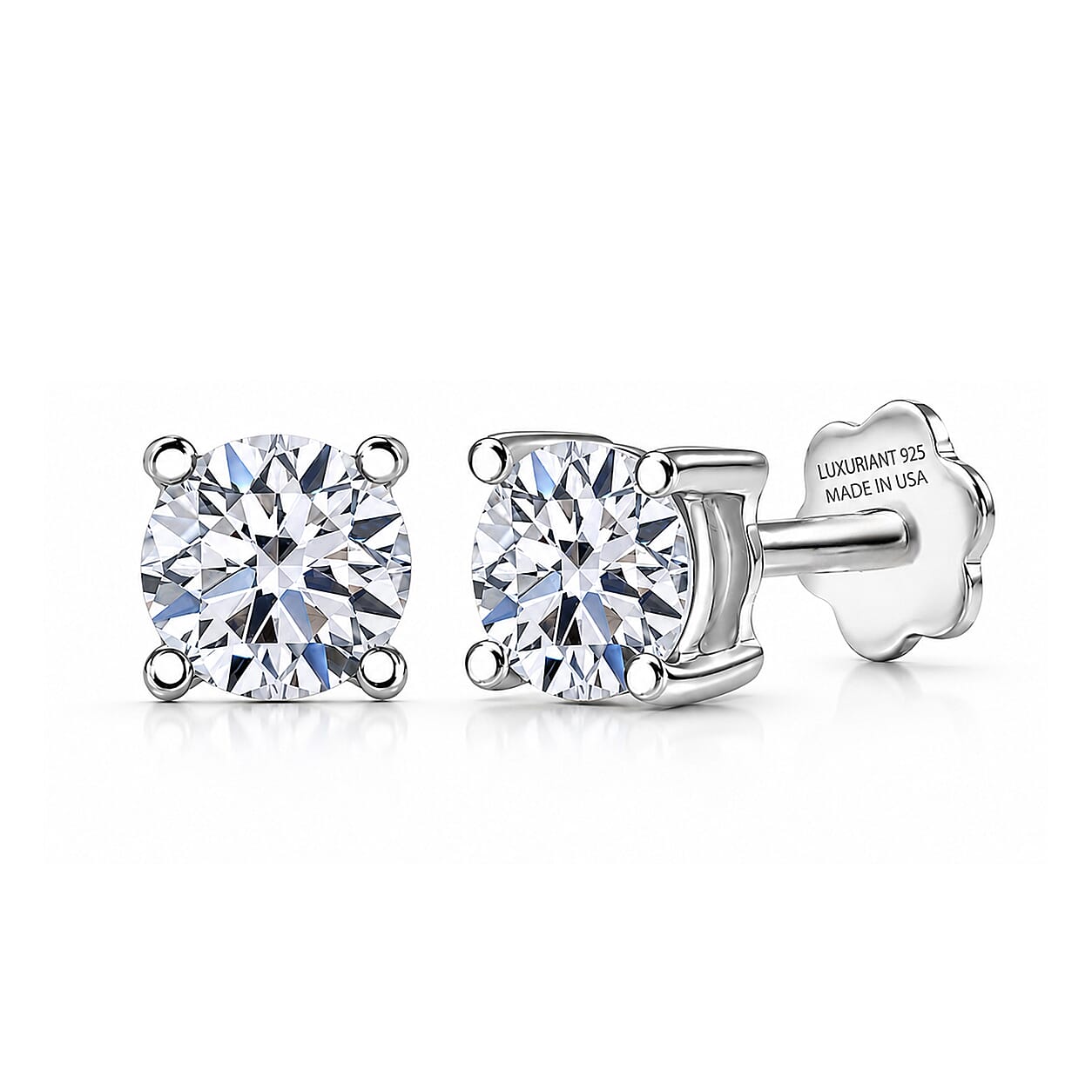
Luxuriant Lab Grown Diamond G-H SI 0.50 ctw Earrings in Rhodium Over Sterling Silver
Add refined sparkle to your look with these Luxuriant lab grown diamond earrings. Featuring 0.50 ctw of G-H color, SI clarity diamonds, they offer a bright and versatile finish. Rhodium over sterling silver enhances their polished appeal, making them easy to pair with both every day and occasion-ready styles.
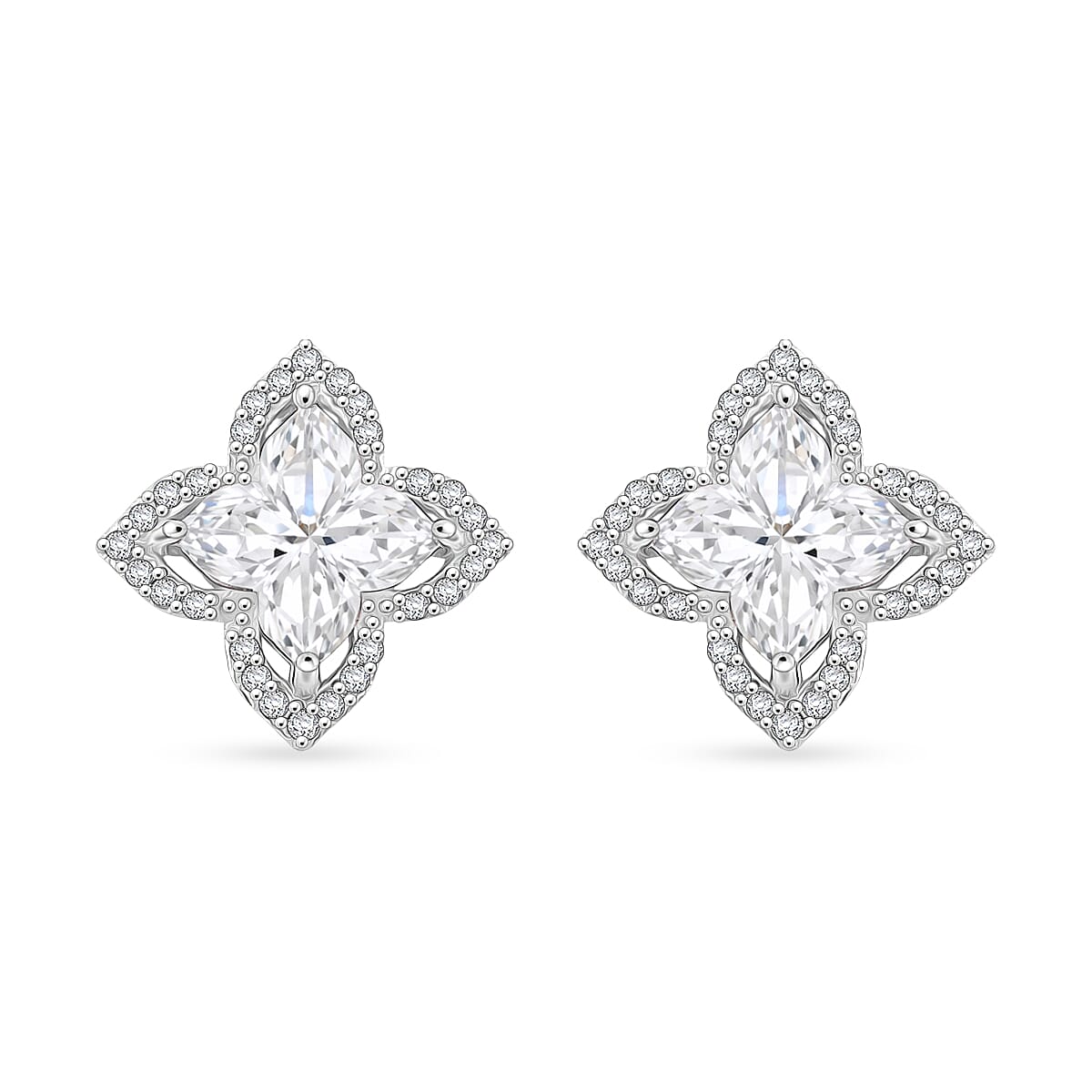
D'Joy Clover Cut Moissanite 2.40 ctw Royal Bloom Earrings in Rhodium Over Sterling Silver
Bring floral-inspired sparkle to your collection with these D'Joy Royal Bloom earrings. Featuring 2.40 ctw of clover-cut moissanite, the design creates a lively, elegant look with distinctive shape. Rhodium over sterling silver adds a polished finish, making these earrings a charming choice for celebrations and statement styling.

D'Joy Moissanite 0.60 ctw Half Eternity Band Ring in Sterling Silver
Complete your look with this D'Joy moissanite half eternity band ring. Featuring 0.60 ctw of sparkling moissanite, the half-set design brings balanced brilliance across the finger. This sterling silver ring offers a clean, versatile finish that works beautifully worn alone or paired with other rings.
IDENTITY
What Is the Main Difference?
The biggest difference is gemstone identity. Moissanite is silicon carbide. A laboratory-created diamond is carbon with a diamond crystal structure. They may look similar at first glance, but they are fundamentally different materials.
This distinction explains why lab-grown diamonds and moissanite respond differently in light. While diamond gives the well-known combination of brilliance, fire and scintillation associated with diamond jewelry, moissanite typically creates brighter, more colorful flashes.
BRILLIANCE
Which One Sparkles More?
Sparkle is one of the most enjoyable parts of the comparison because both choices shine beautifully in their own way.
Moissanite has strong dispersion, so it often throws noticeable flashes of spectral color. If you love lively rainbow effects, especially under spotlights or sunlight, it can create an eye-catching look.
A laboratory-created diamond displays diamond's traditional optical character. Its appearance combines white brilliance, colorful fire, and scintillation—the flashes created as the stone or viewer moves. Cut quality strongly influences how bright and balanced that sparkle appears.
Neither style is automatically better. Choose moissanite if bold rainbow fire excites you. Choose diamond if you prefer classic diamond brilliance.
DISTINCTION
Can You Tell Them Apart?
Sometimes. When viewed side by side, you may notice stronger rainbow flashes in moissanite, particularly in larger stones or bright lighting. Moissanite is also doubly refractive, while diamond is singly refractive.
A trained jeweler or gemologist can identify the materials more reliably with suitable testing equipment. Compare good-quality images, videos, or samples and decide which visual character you enjoy.
STRENGTH
Which Is More Durable?
Both are strong choices for frequently worn jewelry. Diamond has a Mohs hardness score of 10, which indicates that it is extremely scratch-resistant. Moissanite has an extremely high ranking of about 9.25.
Because of this, both are appropriate for daily use. Hardness does not, however, imply that a diamond is unbreakable. Sensible jewelry care and a safe environment are still important.
Even with frequent wear, the moissanite stone may maintain its brightness. Its appearance may be momentarily dulled by soap, lotion, skin oils, and residue, but regular cleaning can restore the luster. Professional setting checks and routine cleaning are also beneficial for laboratory-grown diamond jewelry.
VALUE
How Do Prices Compare?
When making a purchase, price is frequently the most important factor. Moissanite appeals to customers who seek maximal presence without going over budget because it is typically less expensive than a diamond with comparable visual size.
Carat weight, shape, color, clarity, cut quality, brand, and market circumstances all affect diamond prices. Compare stones that fit your desired size and quality rather than depending solely on fixed price comparisons.
If spending money is a top concern:
- Compare both the carat weight and the apparent measurements
- Select the dazzle style that is most important to you
- Incorporate the metal and setting into your overall budget
- Compare quality rather than just size
- Leave room for future resizing or maintenance costs
Custom-jewelry shoppers may also consider loose lab-grown diamonds when they want to choose the center stone and setting separately. This can make it easier to compare shape, measurements, and quality before selecting the final design.
SIZE
Carat Weight and Visual Size
A stone's weight, not its apparent size, is measured in carats. This is important since the densities of diamond and moissanite vary.
Moissanite vendors may use diamond-equivalent size descriptions or millimeter measures. Customers may thus see the stone's visible face-up size more clearly thanks to millimeter measurements.
QUALITY
What About Color and Clarity?
Moissanite is available in colorless and near-colorless appearances, although subtle undertones can vary with quality, size, and lighting. Laboratory production also allows much of the material to appear quite clean to the eye.
Diamond color and clarity use diamond-specific assessment criteria. Different grades can affect appearance and price, giving buyers more ways to adjust specifications around their budget.
Because the two gemstones belong to different material categories, avoid applying every diamond grading term directly to moissanite. Read the quality information supplied for the specific stone you are considering.
TESTING
Will Moissanite Pass a Diamond Tester?
Some basic thermal testers can react to moissanite because of its thermal properties. That does not make it a diamond. Modern multi-testers and professional gemological equipment can distinguish the materials more reliably.
For an important purchase, professional identification provides more useful reassurance than relying only on a basic home tester.
Selection
Which Is Better for an Engagement Ring?
Both options can make a beautiful engagement ring, but they appeal to slightly different priorities.
Choose Moissanite If You Want:
- Bold rainbow fire
- More visual size for your budget
- Excellent everyday hardness
- A gemstone with its own identity
- Flexibility to choose a larger center stone
Choose a Laboratory-Created Diamond If You Want:
- A genuine diamond
- Classic diamond brilliance
- Diamond-specific quality information
- Plenty of color and clarity choices
- A traditional engagement-ring appearance
For many couples, moissanite and lab-grown diamonds open the door to more design freedom. Your ring does not need to follow somebody else's idea of the perfect center stone. It should suit your style, budget, and everyday life.
INVESTMENT
What About Resale Value?
Purchase either choice more for fun than for the assurance of resale returns. Brand, specifications, condition, demand, and selling channel can all affect secondhand value.
If resale or future upgrades matter to you, check whether the retailer offers a trade-in, upgrade, or buyback policy before purchasing. For most shoppers, beauty, wearability, emotional meaning, and affordability offer a much happier basis for choosing jewelry.
FAQs
Frequently Asked Questions
Q. Is moissanite a real diamond?
A. No. Moissanite is silicon carbide, a distinct gemstone that differs from diamond in terms of composition, brilliance and optical characteristics.
Q. Are laboratory-created diamonds real diamonds?
A. Yes. Laboratory-created diamonds have the same crystal structure and chemical composition as diamonds, with their primary difference being origin.
Q. Is moissanite more affordable than a diamond made in a lab?
A. In general, yes. Larger-looking center stones are more affordable for many budgets since moissanite typically costs less for a comparable visual size.
Q. Can you distinguish between a lab-created diamond and moissanite?
A. A lot of the time, sure. While expert gemological testing can consistently differentiate moissanite from laboratory-created diamond, moissanite may exhibit brighter rainbow flashes.
Q. Which is better for an engagement ring?
A. Both work beautifully. Choose moissanite for bold sparkle and value or laboratory-created diamond for classic diamond appearance and grading information.
VERDICT
So, Which One Should You Buy?
Moissanite and laboratory-created diamond jewelry both offer exciting sparkles, impressive durability, and plenty of design possibilities. They simply deliver those benefits differently.
Neither option needs to be the "second-best" choice. Think about what catches your eye, what feels comfortable financially, and how you plan to wear the jewelry. When those three things come together, you are much more likely to choose a piece that continues to make you smile.

Free Shipping
Free shipping on orders above $50

30 Days Free Return
Shop stress-free

100% Secure Payment
Shop with confidence

Customer Support 24/7
Help whenever you need it


 View Cart