


RUBY BUYING GUIDE: HOW TO CHOOSE THE PERFECT RUBY?
Ruby has always been prized for its timeless charm, exceptional durability, and deep red hue. Choosing the perfect ruby requires more than just picking the brightest stone — every detail matters, from color and clarity to treatments and craftsmanship. This complete ruby buying guide covers everything you need to shop with confidence and find a ruby that suits your occasion, budget, and style.
TABLE OF CONTENTS
OVERVIEW
What Is Ruby?
If you've ever wondered what ruby is, the answer begins with one of nature's most fascinating minerals. The red variant of corundum, which also produces sapphires in all hues but red, is called ruby. Tiny traces of chromium give ruby its distinctive color, ranging from soft pinkish red to deep, vivid crimson.
Under extreme heat and pressure beneath the Earth's surface, a genuine ruby gemstone is created over millions of years. Because of its hardness of 9 on the Mohs scale, ruby is one of the most durable gemstones used in jewelry. This makes it suitable for everyday pieces as well as heirloom designs that can be passed from one generation to the next.
VALUE
Determining Ruby Value
Although each ruby is different, gemologists typically assess quality based on four primary factors: color, clarity, cut and carat weight. It's crucial to think about how these attributes interact rather than concentrating on just one. A larger stone with weak brightness or inconsistent hue may not seem as appealing as a smaller ruby with remarkable color.

Color
Most people agree that color is the most crucial consideration when assessing a ruby. The best stones have a bright red to slightly purplish-red tint with a uniform distribution of color and high saturation. A ruby that seems too light may not have the rich appearance that many buyers like, while a ruby that looks too black may lose its sparkle.

Clarity
Natural rubies usually have inclusions, in contrast to diamonds. These internal characteristics often help gemologists determine a ruby's natural origin and are a typical aspect of the gemstone's creation. Consider whether the inclusions impact clarity, brightness or durability rather than trying to get a perfect stone.
Tiny inclusions that are difficult to perceive with the unaided eye are often acceptable. Large fractures or inclusions that reach the surface, however, might affect long-term wear as well as attractiveness.

Cut
A well-cut ruby enhances its color and overall appeal by allowing light to pass through the stone uniformly. A well-finished gemstone results from thorough polishing, appropriate dimensions and good symmetry.
Avoid stones with large black patches that reduce brilliance or that clearly show windowing, a pale area in the middle where light passes through. The goal is a ruby that seems vivid from every angle.

Carat
The term "carat" refers to a gemstone's weight rather than its apparent size. Two gemstones of the same carat weight may appear different in size depending on how they were cut because of the relative thickness of rubies.
Browse Our Ruby Jewelry Collection
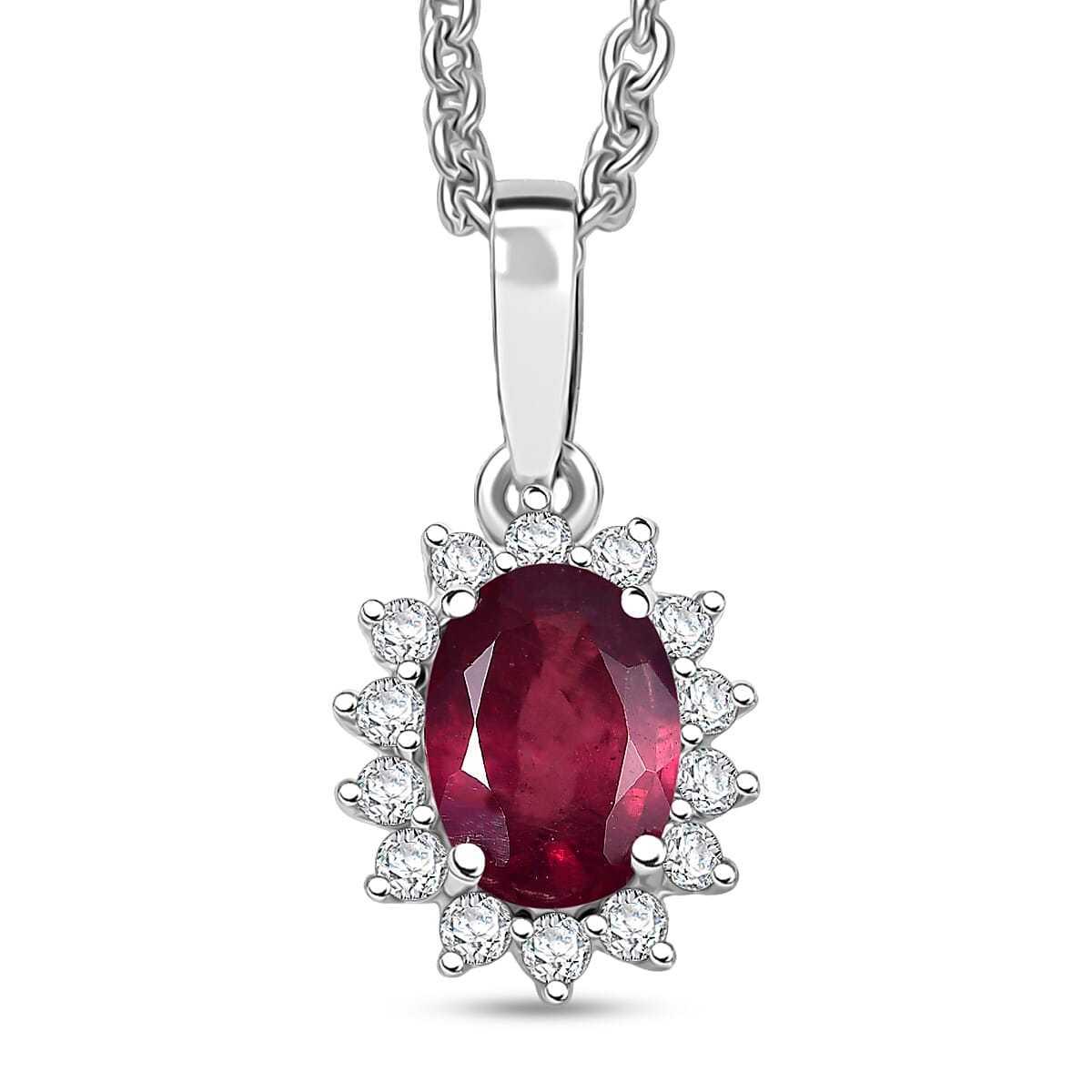
D'Joy Niassa Ruby (FF) and White Zircon 1.35 ctw Pendant Necklace in Rhodium Over Sterling Silver, 20 Inches
With this D'Joy pendant necklace, which features a vivid Niassa ruby enhanced by shimmering white zircon, you can celebrate classic elegance. The timeless style, made of rhodium over sterling silver and dangling elegantly on a 20-inch chain, is perfect for both special events and daily wear.
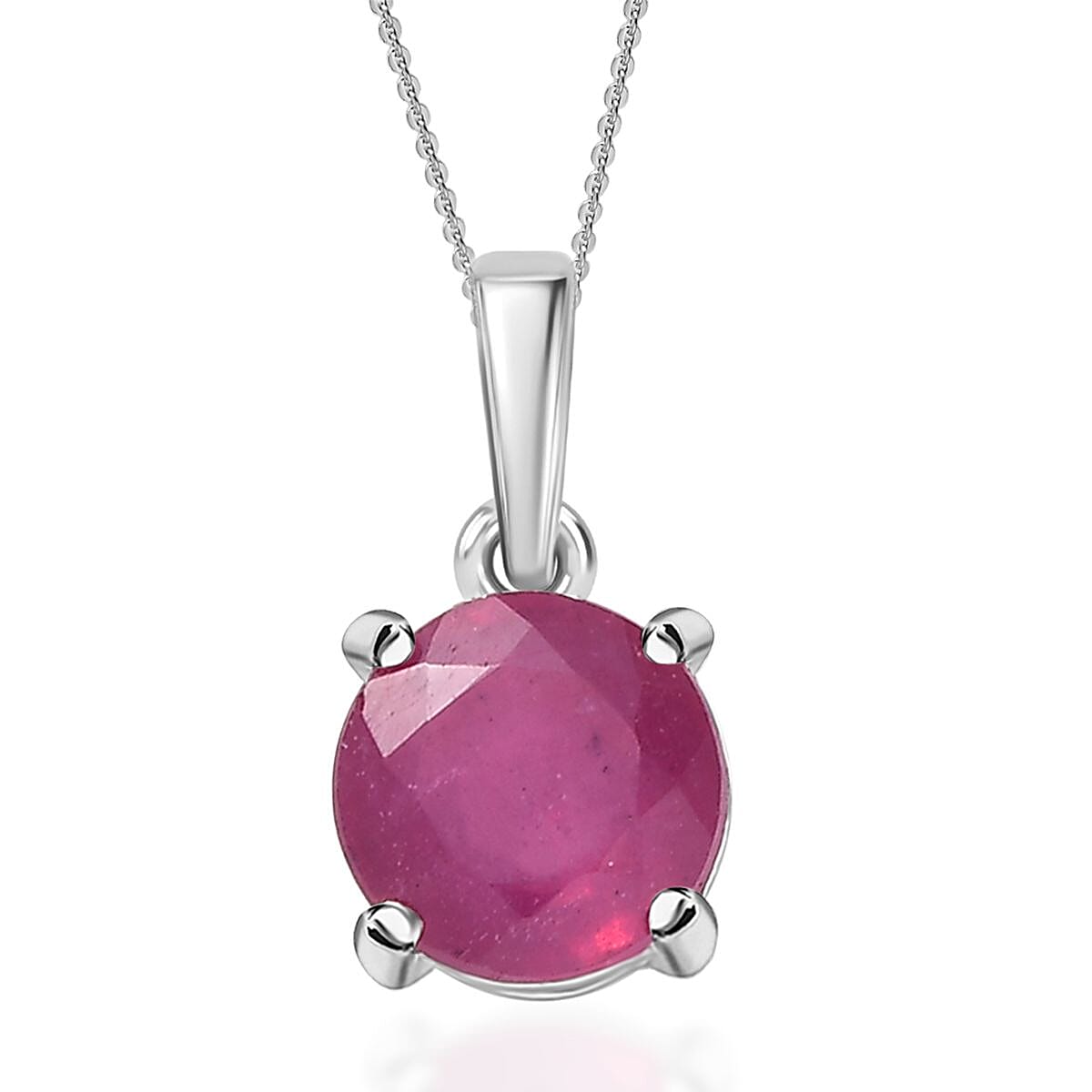
D'Joy Niassa Ruby (FF) 2.35 ctw Solitaire Pendant Necklace in Sterling Silver, 20 Inches
Make a refined statement with this solitaire pendant showcasing a striking 2.35-carat Niassa ruby. Set in rhodium over sterling silver and suspended from a 20-inch chain, this elegant necklace highlights the gemstone's rich color with a clean, timeless design.

D'Joy Niassa Ruby (FF) 1.40 ctw 3 Stone Ring in Sterling Silver
Vibrant Niassa rubies, which stand for everlasting beauty and traditional design, are featured in this exquisite three-stone ring. The well-balanced design, which is crafted from platinum over sterling silver, exquisitely displays the rich color and brilliance of the gemstones while providing everyday sophistication.
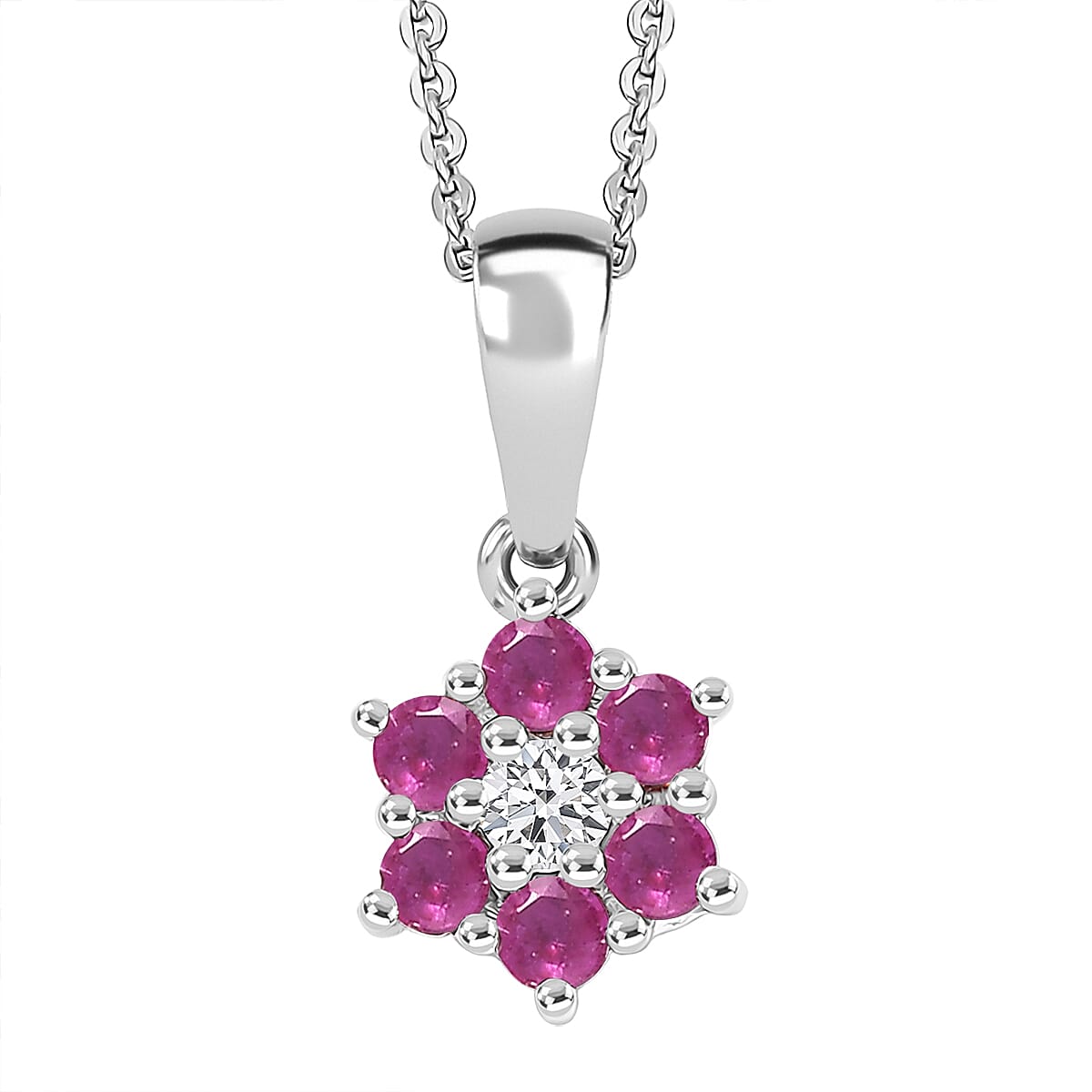
D'Joy Niassa Ruby (FF) and White Zircon 0.50 ctw Pendant Necklace in Rhodium Over Sterling Silver, 20 Inches
This D'Joy pendant necklace with a Niassa ruby and glittering white zircon embellishments will add a touch of everyday elegance. It has a beautiful pattern that goes well with any outfit and is made of rhodium over sterling silver with a 20-inch chain.
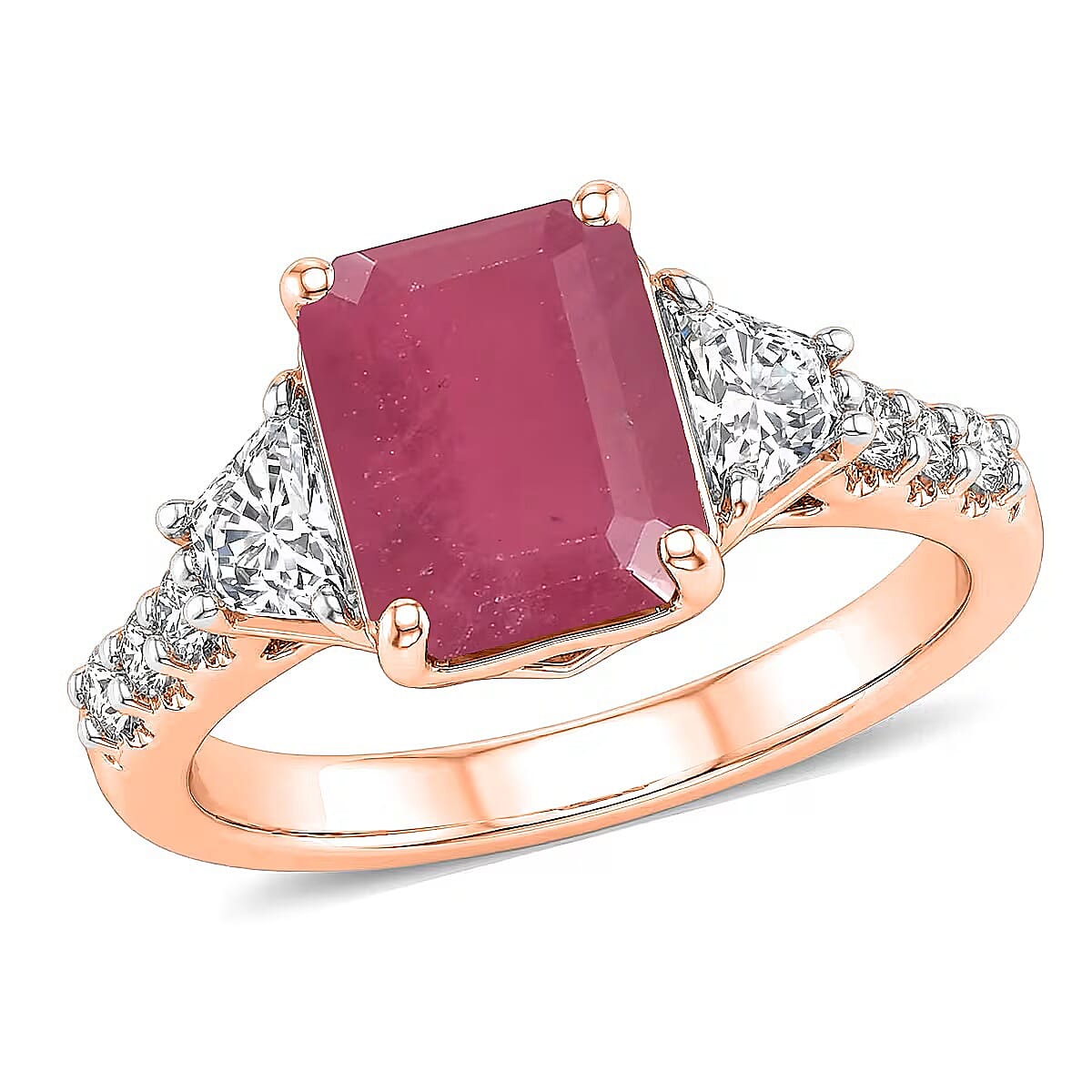
D'Joy Niassa Ruby (FF) and Moissanite 4.40 ctw Ring in 18K Vermeil Rose Gold Over Sterling Silver (Size 10)
This striking ring is made to dazzle, with a vivid Niassa ruby and shimmering moissanite accents. Its exquisite form and substantial gemstone presence, set in opulent 18K vermeil rose gold over sterling silver, make it an exceptional option for special events or sophisticated daily wear.
Quality Factors
Quick Guide to Ruby Quality
| Quality Factor | What to Look For |
|---|---|
| Color | Bright, vivid, evenly distributed red |
| Clarity | Inclusions that don't affect beauty or durability |
| Cut | Balanced proportions with good brilliance |
| Carat Weight | Size balanced with overall quality |
Following these quality factors will make comparing gemstones much easier and help you recognize genuine value instead of focusing on size alone. Throughout this ruby buying guide, you'll see that a single characteristic rarely defines the best ruby. Instead, it's the combination of these qualities that creates a beautiful gemstone worth owning.
Difference
Natural, Lab-Created, and Simulated Rubies
Not all rubies sold are naturally formed in the soil. Knowing the distinctions between lab-created, genuine, and simulated rubies enables you to compare costs and select the best option for your needs.
Natural ruby develops over millions of years through geological processes. Because of its rarity, especially in larger sizes with excellent color, it is often the most valuable option.
A laboratory-created ruby shares the same chemical composition and crystal structure as a natural ruby but is grown in controlled conditions. These stones offer impressive color and clarity while providing a more affordable alternative for many buyers.
Simulated rubies, on the other hand, are simply materials that resemble ruby. They may be made from glass, cubic zirconia, or other red gemstones and should always be clearly identified by the seller.
| Type | Description | Ideal For |
|---|---|---|
| Natural Ruby | Formed naturally within the earth | Fine jewelry collectors |
| Lab-Created Ruby | Grown in a laboratory | Budget-conscious buyers |
| Simulated Ruby | Looks like ruby but isn't ruby | Fashion jewelry |
Before making any purchase, always review the product description carefully to understand exactly what type of ruby you're buying.
Treatments
Ruby Treatments
Treatments are common in the ruby market and are used to improve a gemstone's appearance. Understanding these enhancements helps you compare prices fairly and know how to care for your jewelry after purchase. A treated ruby can still be beautiful and long-lasting, but the type of treatment may influence its value and cleaning requirements. As you continue with this ruby buying guide, remember that transparency from the seller is just as important as the treatment itself.
Some rubies may also undergo fracture or glass filling. These treatments improve the stone's appearance by filling surface-reaching fractures, but they often require extra care because the filling material can be damaged by high heat or harsh chemicals. Always read the product description carefully so you understand how the ruby has been enhanced.
| Treatment | Purpose | Buying Tip |
|---|---|---|
| Heat Treatment | Enhances color and clarity | Widely accepted in the jewelry industry |
| Fracture Filling | Improves appearance | Requires gentle care |
| Glass Filling | Fills visible fractures | Usually more affordable but less durable |
Selection
Choosing Ruby Jewelry
One of the most adaptable gemstones, ruby may be used in practically every type of jewelry. The ideal design will depend on your lifestyle, comfort level and personal preferences, whether you're searching for a standout piece for special events or an everyday item.
| Jewelry Type | Best For |
|---|---|
| Ruby Rings | Everyday wear, engagements, anniversaries |
| Ruby Earrings | Daily styling and special occasions |
| Ruby Bracelets | Elegant layering and gifting |
| Ruby Pendants | Versatile everyday jewelry |
As highlighted throughout this ruby buying guide, the best jewelry style is the one that suits your lifestyle. A beautiful gemstone deserves a setting that is both attractive and practical.
Caring Tips
How to Clean and Care for Ruby Jewelry?
Ruby is appropriate for everyday wear because it is one of the toughest gemstones used in jewelry. But with the right maintenance, its beauty will last for many years. Most rubies may be cleaned with mild detergent, warm water, and a gentle brush; however, stones with glass filling or fractures may need more sensitive treatment.
To avoid scratches, keep ruby jewelry apart from other gemstones and check the clasps and prongs regularly to make sure the stone is still secure. The danger of unintentional harm can also be decreased by taking off jewelry before strenuous exercise or domestic tasks.
Buying Tips
What to Check Before Buying a Ruby?
Before purchasing a ruby, take a few moments to compare more than just the price. A well-informed decision often leads to a piece you'll enjoy for many years.
Before You Buy
- Compare the ruby's color in different lighting
- Examine if inclusions have an impact on beauty
- Seek a well-balanced cut
- Check any disclosures regarding therapy
- Examine certification if relevant
- Examine the artistry and setting
- Examine the warranty and return policies
- Choose quality over size whenever possible
You may confidently assess options and concentrate on overall value rather than a particular feature by using this ruby buying guide checklist.
FAQs
Q. Does ruby clarity matter?
A. Yes, Natural inclusions are common, but they should not significantly reduce the gemstone's brilliance, transparency, or durability.
Q. How does the cut affect a ruby's appearance?
A. A well-cut ruby exhibits its color more effectively and reflects light uniformly. Inadequate cutting might lessen the stone's brightness or produce dull patches.
Q. Where in the United States can I purchase premium ruby rings?
A. You can find high-quality ruby rings from trusted retailers like Shop LC, offering natural, lab-created, and certified ruby jewelry in various styles.
Q. What are the top online stores for ruby earrings in the USA?
A. One of the top online stores for ruby is Shop LC, which offers ruby earrings in classic, contemporary, and fine jewelry designs.
Q. What is the cost of an 18k gold and ruby ring?
A. An 18k gold ruby ring typically costs between $500 and $5,000+, depending on the ruby's quality, size, treatment, and craftsmanship.
Conclusion
Final Thoughts
Selecting the ideal ruby doesn't have to be difficult. You may reliably evaluate various gemstones and identify true quality by knowing color, clarity, cut, carat weight, treatments, and craftsmanship. Choose a ruby that gives the best overall balance of beauty, durability, and value rather than concentrating on just one feature.


 View Cart