


THE ULTIMATE GUIDE TO HAIR OILS: BENEFITS AND HOW TO USE THEM
Healthy, shiny hair never goes out of style. Hair oils have been a trusted part of beauty routines for generations — and for good reason. From reducing frizz to nourishing the scalp, the right oil can transform your hair care routine. This guide covers everything you need to know about hair oils, their benefits, and how to use them for the best results. Whether you have dry, curly, fine, or color-treated hair, there is an oil perfectly suited to your needs. Explore our complete guide and discover the right oil to add to your routine today.
TABLE OF CONTENTS
OVERVIEW
What Is Hair Oil?
Natural oils, plant extracts, or a combination of substances are used to make hair oil, a nourishing product. It enhances softness, adds gloss and helps hydrate the hair and scalp. Hair oil can enhance scalp care and provide deeper nourishment, whereas hair serum primarily coats hair for styling.
BENEFITS
Benefits of Using Hair Oil
Hair oil can reduce dryness, enhance gloss and reduce frizz. It also encourages relaxing of the scalp and may reduce dryness-induced breakage. With consistent use, many people experience softer, healthier-looking hair and better manageability.
These hair-oil benefits make oiling a valuable step for anyone dealing with dullness, dryness, frizz, or a rough texture.
Our Bestsellers
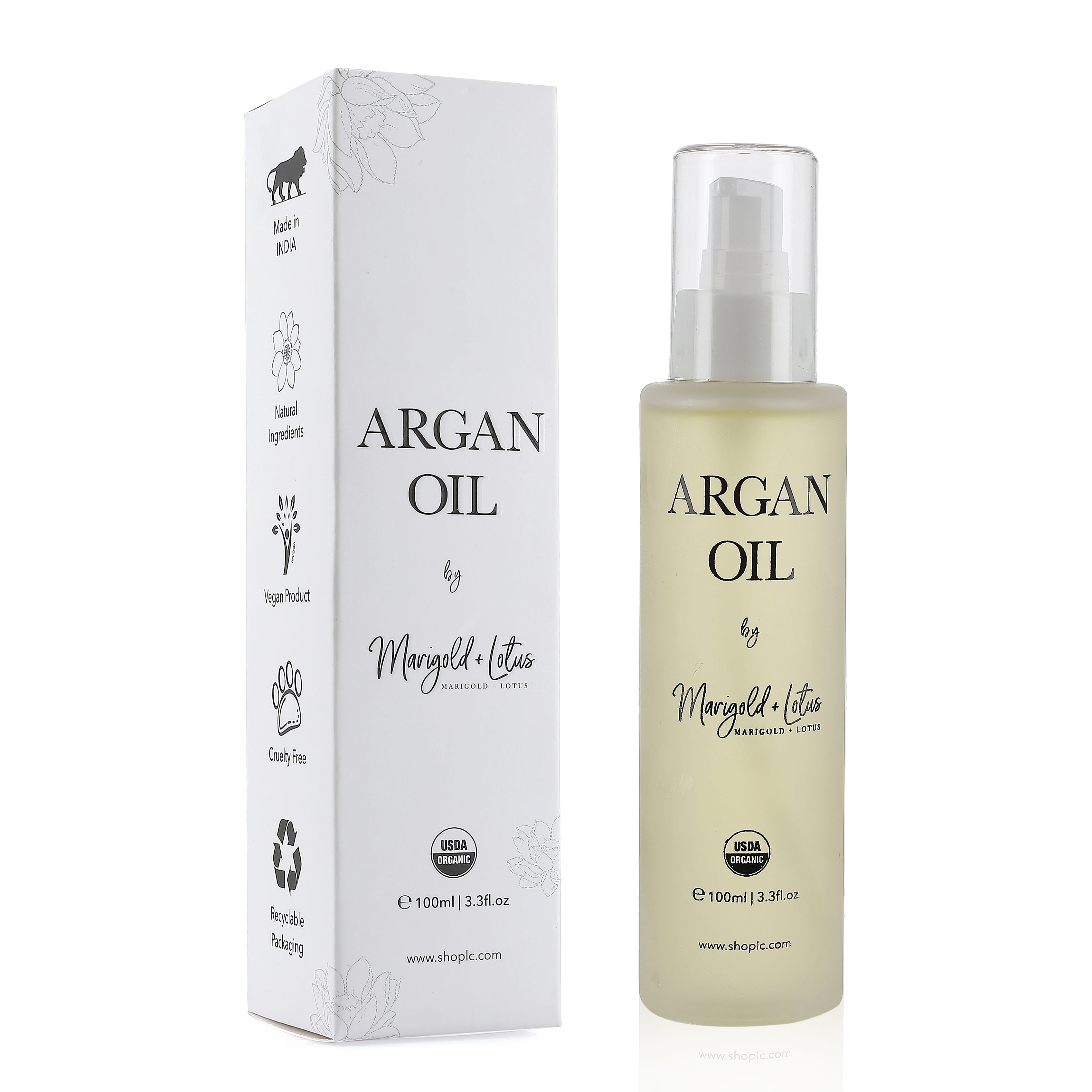
Marigold + Lotus Argan Oil (3.3oz)
Nourish your hair with the lightweight goodness of argan oil. This versatile formula helps smooth frizz, enhance shine and improve manageability without weighing hair down. Suitable for most hair types, it supports softer, healthier-looking strands while helping protect against dryness caused by everyday styling and environmental stressors.
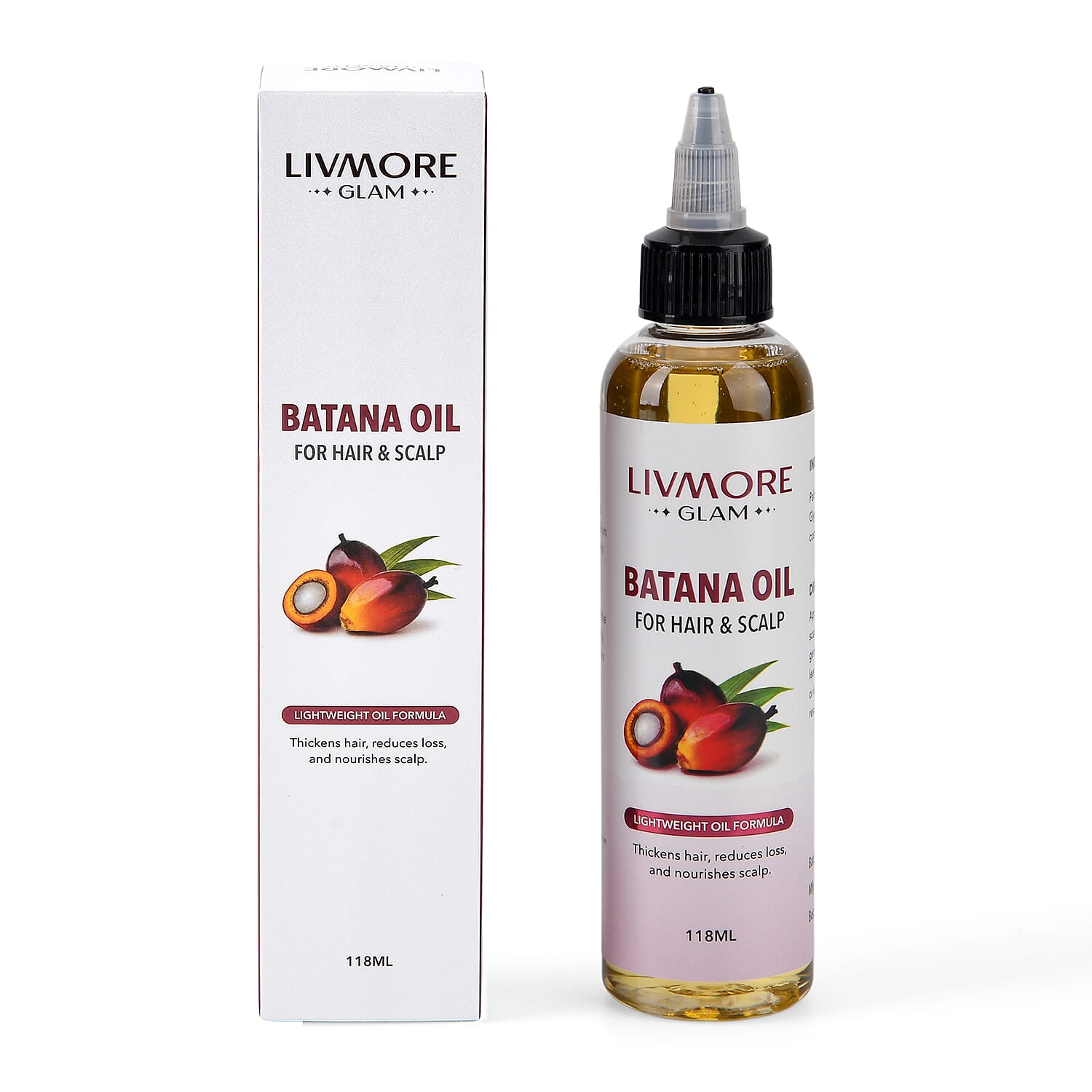
Livmore Hair Care Batana Oil - Green
Revitalize your hair care routine with Batana oil, a nutrient-rich formula known for its deeply conditioning properties. It helps moisturize dry strands, improve softness and reduce the appearance of damage. Regular use leaves hair looking smoother, shinier and more manageable while supporting overall scalp and hair health.

SpaLife Castor Oil 100% Pure - For Hair, Skin, Lashes & Brows 8oz
This 100% pure castor oil offers multi-purpose beauty care for hair, skin, lashes and brows. Rich in nourishing fatty acids, it helps lock in moisture, soften dry areas and support healthier-looking hair. Its versatile formula makes it an essential addition to everyday beauty and self-care routines.
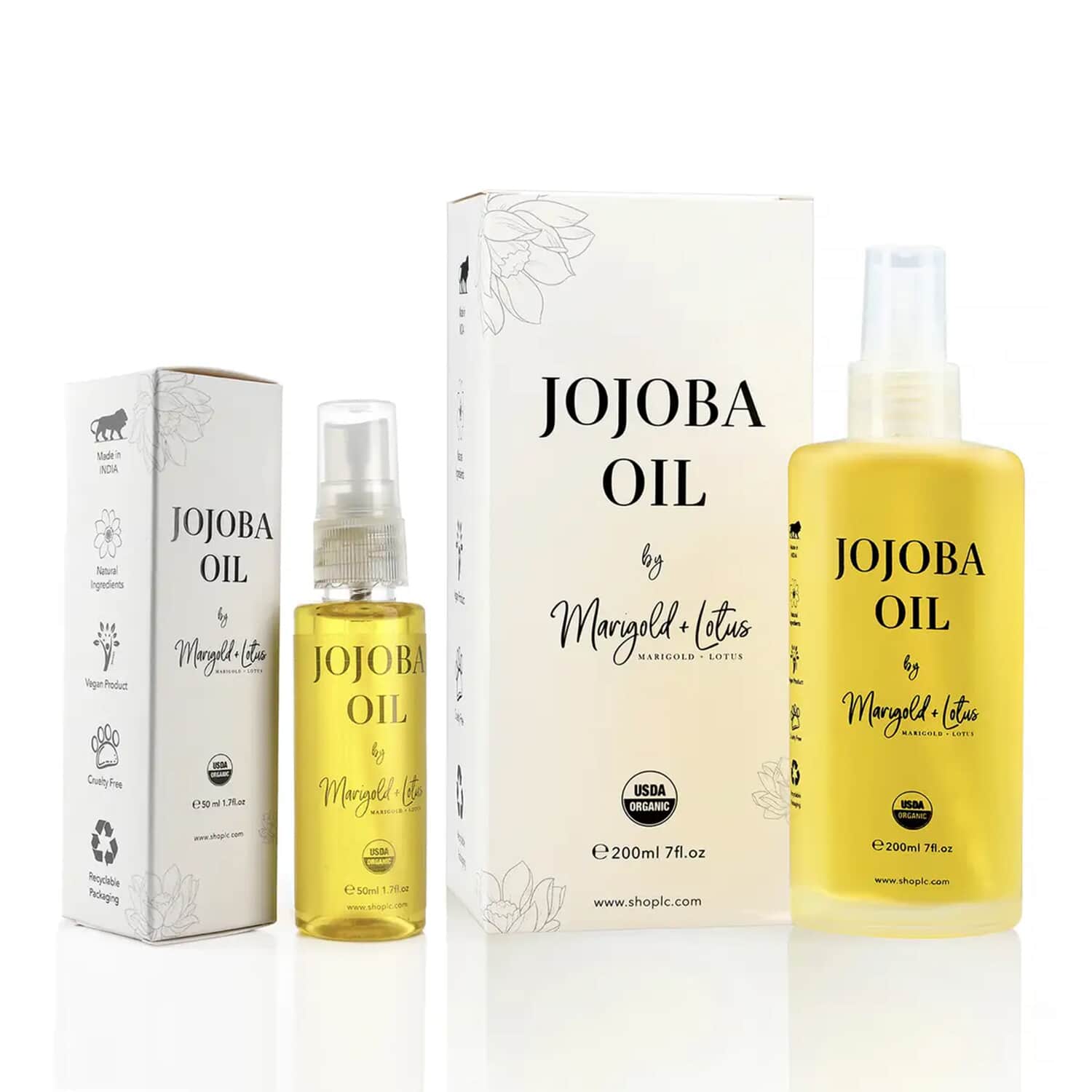

SpaLife Beauty Pro-Growth & Scalp Care Oils Duo
Support your hair care goals with this nourishing oil duo designed for scalp care and healthier-looking hair. Complementary formulas help moisturize the scalp, condition strands and improve manageability. Perfect for regular use, they promote softer, shinier hair while enhancing the overall feel of your hair care routine.
HAIR GROWTH
Can Hair Oil Help Hair Growth?
Hair oil cannot instantly make hair grow faster, but it can support a healthier scalp environment. A well-nourished scalp may help hair look fuller and healthier over time. Oils such as rosemary, castor, coconut, jojoba and argan are commonly used in hair care routines to support hair growth.
HAIR FALL
Hair Oil and Hair Fall
Stress, diet, hormonal fluctuations, style damage and scalp issues can all contribute to hair loss. By keeping hair strands hydrated and less likely to break, hair oil may help lessen breakage-related hair loss. However, a healthcare provider should be seen if hair loss is severe or persistent.
SCALP HEALTH
Supporting Scalp Health
Healthy-looking hair starts with a healthy scalp. Regular scalp oiling can help reduce dryness, promote comfort and leave the scalp feeling nourished. If your scalp is sensitive, always do a patch test before applying a new oil.
HAIR TYPE GUIDE
Selecting the Appropriate Hair Oil for Your Hair Type
Which oil is ideal for you will depend on your hair type, scalp condition, and main concern.
| Hair Type | Suitable Oils |
|---|---|
| Dry Hair | Coconut, Castor, Olive |
| Oily Scalp | Jojoba, Grapeseed |
| Curly Hair | Argan, Coconut |
| Fine Hair | Jojoba, Almond |
| Damaged Hair | Argan, Coconut |
| Color-Treated Hair | Argan, Jojoba |
The right oil should nourish your hair without making it feel heavy or greasy.
POPULAR OILS
Popular Hair Oils and Their Benefits
Coconut Oil: Coconut oil is widely known for its hydrating properties. It can lessen protein loss and leave hair feeling softer and smoother.
Rosemary Oil: The use of rosemary oil to enhance scalp care regimens and encourage healthier-looking hair has grown in popularity.
Argan Oil: Often called "liquid gold," argan oil minimizes frizz and adds shine without leaving hair overly thick.
Castor Oil: Often used in rigorous hair care treatments, castor oil has a thick consistency.
Jojoba Oil: Jojoba oil is suitable for a variety of hair types because it closely matches the scalp's natural oils.
Almond Oil: Almond oil provides lightweight nourishment and can help improve softness and shine.
COMPARISON
Natural vs. Formulated Hair Oils
| Natural Oils | Formulated Oils |
|---|---|
| Simple ingredient profile | May include added vitamins |
| Rich in fatty acids | May include botanical extracts |
| Traditional hair care choice | Often has a lighter texture |
| Best for natural nourishment | Best for targeted hair needs |
| Can feel heavier on the hair | Often easier to apply |
APPLICATION
How to Apply Hair Oil Correctly
Using hair oil properly helps you get the best results from your routine. The right application method allows the oil to reach your scalp, coat your strands evenly, and support better nourishment.
Step 1: Section of Your Hair
Divide your hair into manageable sections. This ensures even oil distribution, so no area of the scalp is left out.
Step 2: Apply to the Scalp
Using your fingertips and apply a tiny bit of oil directly to the scalp. Add more product only when necessary. Start with less.
Step 3: Massage Gently
Use circular motions to massage the oil. This helps distribute the oil, relax the scalp and improve the overall application experience.
Step 4: Apply to Hair Lengths
Work the remaining oil through the ends and mid-lengths after applying it to the scalp. Dry or rough areas should receive greater attention because they typically require special attention.
Step 5: Leave It On
Let the oil sit for 30 minutes to a few hours before washing. You can also use a small amount after styling to add shine and smoothness.
A thoughtful oiling treatment for hair can help deliver nourishment exactly where your strands need it most.
WET VS DRY
Which Is Better, Wet or Dry Hair?
Oiling is ideal for both wet and dry hair. Dry hair treatment works well before washing since it provides easier access to the scalp. Damp hair treatments improve suppleness and help maintain moisture after washing. Choose the strategy that best suits your schedule.
| Application Type | Best Time | Benefit |
|---|---|---|
| Dry Hair | Before washing | Gives better scalp access |
| Damp Hair | After washing | Helps lock in moisture |
| Both Methods | As per routine | Supports softness and care |
TIMING
How Long Should You Leave Hair Oil On?
Apply the oil for 30 to 60 minutes for a rapid therapy. Put it on for a few hours for deeper nourishment. Oiling overnight can also be effective, particularly with lighter oils; nevertheless, do not use excessive amounts of product.
FREQUENCY
How Often Should You Oil Your Hair?
Many people ask, how often should you oil your hair for the best results. Dry or curly hair may benefit from oiling two to three times a week, while normal hair may need it once or twice weekly. If you have an oily scalp, once a week is usually enough.
MIXING OILS
Can You Mix Different Hair Oils?
It is possible to combine oils to make a unique blend. Common pairings include castor with coconut, jojoba with argan and coconut with rosemary. Start with a patch test and use small amounts to avoid irritation.
STYLING
Using Hair Oil with Styling Products
Hair oil can be applied as a mild finishing product, after washing or before shampooing. Just a few drops should be used on the ends when shaping to enhance shine and minimize frizz. Hair with too much oil may appear oily.
ESSENTIAL OILS
Essential Oils and Hair Care
High concentrations of essential oils include tea tree, peppermint, lavender, and rosemary. Do not apply them directly to the scalp. Mix them with a carrier oil, such as coconut, jojoba or almond, before use.
SAFETY
Safety Considerations
Although hair oils are generally safe, it's important to apply them responsibly. Try the product on a patch, keep it out of your eyes, and stop using it if it irritates you. When necessary, children, expectant mothers and those with sensitive skin should consult a specialist.
RESULTS
When Can You Expect Results?
Some results, such as shine and softness, can appear after the first use. Long-term results, including improved manageability and reduced dryness, may take a few weeks of consistent use to appear. The full benefits of hair oiling become more visible when it is part of a routine.
Frequently Asked Questions
Q. Should I warm the hair oil before use?
A. The application may be more comfortable if the oil is slightly warmed.
Q. How often should you oil your hair if you have an oily scalp?
A. If you wonder how often you should oil your hair, once weekly is usually enough for oily scalp types.
Q. Best oil for hair growth?
A. Rosemary, castor and coconut oils are popular choices that support scalp health and help reduce breakage over time.
Q. Where to buy vegan hair oils?
A. Vegan hair oils are available through beauty retailers, natural wellness stores, brand websites and major online marketplaces.
Q. Where to buy organic jojoba oil?
A. Organic jojoba oil can be found at health stores, beauty retailers, specialty organic shops, and trusted online sellers.
Q. What does hot oil treatment do?
A. A hot oil treatment deeply nourishes hair, improves softness, reduces dryness, enhances shine and supports better manageability.
Final Words
Conclusion
A quick and easy technique to promote healthier-looking hair is with hair oil. It helps nourish the scalp, soften strands, improve shine, and manage frizz. You can create a hair care regimen that is simple, enjoyable, and satisfying by choosing the right oil and using it regularly.

Free Shipping
Free shipping on orders above $50

30 Days Free Return
Shop stress-free

100% Secure Payment
Shop with confidence

Customer Support 24/7
Help whenever you need it


 View Cart