

Lab Grown Sapphire
Lab-grown sapphires are the highlight of any jewelry design. Blue is the shade most people know best, though sapphire can appear in other colors too. At Shop LC, you can explore lab-grown sapphire in different cuts, sizes, settings, and jewelry styles. Some pieces are simple enough for everyday wear, while others are made to stand out.
Filters
97 Items
Featured
-
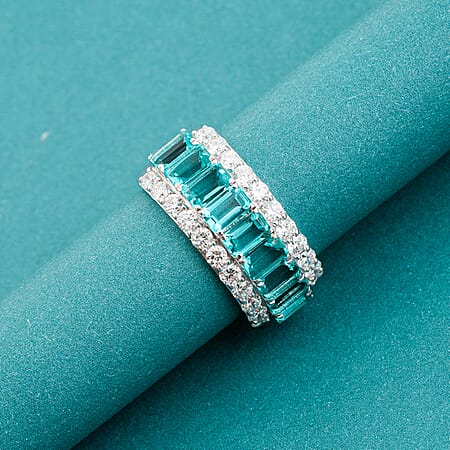
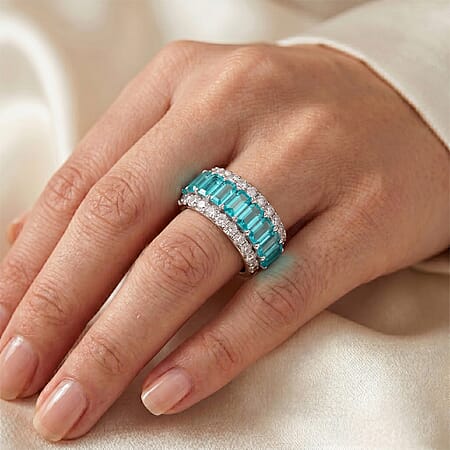
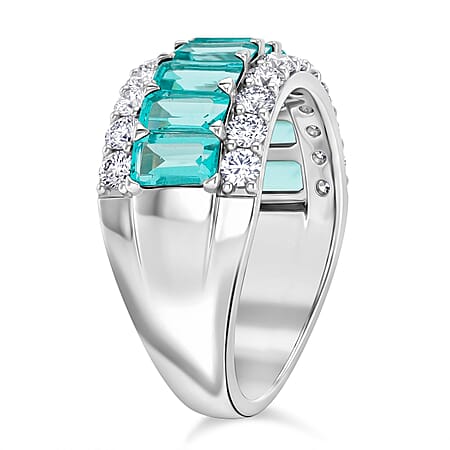
Lab Grown Paraiba Sapphire, Lab Grown Diamond (SI1) Ring in Sterling Silver (Size 8.0) 3.58 ctw 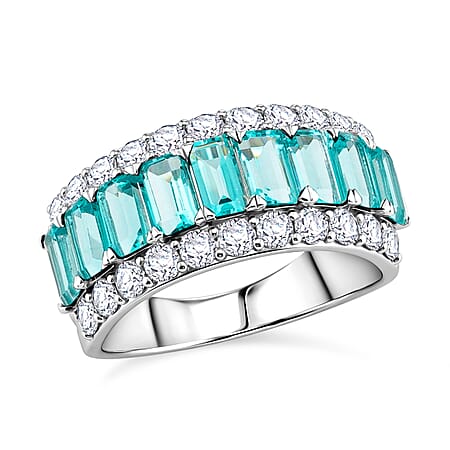
![7 - Product card gallery slide 2 (10268509372729)]()
![7 - Product card gallery slide 3 (10268509372729)]()
![7 - Product card gallery slide 4 (10268509372729)]() Lab Grown Paraiba Sapphire and Lab Grown Diamond (SI1) 7.0) 3.58 ctw Ring in Sterling Silver (Size 10.0)
Lab Grown Paraiba Sapphire and Lab Grown Diamond (SI1) 7.0) 3.58 ctw Ring in Sterling Silver (Size 10.0)Lab Grown Paraiba Sapphire, Lab Grown Diamond (SI1) Ring in Sterling Silver (Size 8.0) 3.58 ctw
Price range: $339.99 - $399.99$399.99$2,999.99Compare at price: $2,999.99 (87% Off)Or 5 x PaymentsFree Shipping
Showing 97-97 of 97 Products
Why Sapphire Gets Noticed?
Sapphire has a look that is hard to miss. In blue, it can feel deep, rich, and quite striking, especially when the setting is kept simple.
Lab-grown sapphire is created in a controlled environment and gives jewelry that familiar sapphire appearance. It works well as a single center stone, but it also pairs nicely with white accents or more detailed settings.
Cut changes the mood of the piece. Round and oval shapes feel easy and familiar, while cushion, pears, and rectangular cuts can give the design a more defined look.
Sapphire for Women
Lab-grown sapphire jewelry can suit both simple and statement look. Small studs or a delicate pendant bring in color without feeling too formal, while larger rings and drop earrings stand out more.
Sapphire for Men
Sapphire is a great fit to men’s jewelry. Broadbands and angular settings give the stone a clean look that feels modern without being too bold.
Lab-Grown Sapphire Rings
Lab-grown sapphire rings can range from minimal to designer as well. A solitaire keeps the stone at the center, while halo designs add extra sparkle around it.
Multi-stone rings create a fuller appearance and bring more detail to the band. For a cleaner look, a single sapphire in a simple setting keeps the design refined and easy to wear.
When comparing rings, check more than the carat weight. Stone measurements, band width, and setting height can make a big difference once the ring is worn.
Earrings, Necklaces and Bracelets
Lab-grown sapphire earrings can feel very different depending on the style. Studs are easy for everyday wear, while drops and dangles add movement and more visible color.
Necklaces can be subtle or more statement driven. A small pendant gives just a hint of blue, while a larger centerpiece draws more attention to the neckline.
Bracelets bring the color across the wrist and are easy to wear alone or with other pieces.
Sapphire Beyond Blue
Blue may be the best-known sapphire color, but it is not the only one. Lab-grown sapphire can also be found in other shades, depending on the individual stone and design.
That gives shoppers more choice when it comes to styling. A darker shade may feel richer and more dramatic, while a lighter color can look softer.
It is always worth checking the product details for the exact color before choosing a piece.Loose Lab-Grown Sapphire
Loose lab-grown sapphire gives you more freedom if you already have a jewelry idea in mind. You can choose the stone first, then decide what kind of setting works around it.
Shape is one of the first things to compare. Oval, round, cushion, pear, and geometric cuts can all look very different once set into jewelry.
Measurements matter too. Two stones with a similar weight may not have the same face-up size, so dimensions are worth checking closely.
Choosing the Metal
There is no single metal tone that works best with sapphire.
White metals make blue sapphire look cool and crisp. Yellow tones add warmth and create a stronger color contrast. Rose tones give the stone a softer background.
The right choice usually comes down to personal taste and the jewelry you already wear.
Finding the Right Piece
Start with what you wear most often. If your jewelry is usually simple, studs, a small pendant, or a clean solitaire ring may be the easiest place to begin.
A Gift with Meaning
Lab-grown sapphire makes a thoughtful gift, with its rich color giving each piece a distinctive look. Even a simple design can feel special without needing too much detail.
Stud earrings and delicate pendants are good choices for someone who likes understated jewelry. For a bolder style, rings and bracelets can make more of a statement.
As the birthstone for September, sapphire makes a thoughtful choice for September birthdays. It can also be a meaningful gift for anniversaries, milestones, and other special occasions.
Explore Lab-Grown Sapphire
Shop lab-grown sapphire rings, earrings, necklaces, bracelets, and loose stones at Shop LC. Compare different cuts, colors, sizes, settings, and metal tones to find a piece that fits your style.
FAQs
Q. What is lab-grown sapphire?
A. Lab-grown sapphire is created in a controlled laboratory setting and has the same essential mineral composition as sapphire.
Q. How is it different from natural sapphire?
A. The main difference is origin. Lab-grown sapphire is made in a laboratory, while natural sapphire forms in the earth.
Q. Is sapphire only blue?
A. No. Blue is the best-known color, but sapphire can appear in other shades as well.
Q. What jewelry can I find in lab-grown sapphire?
A. Depending on availability, you may find rings, earrings, necklaces, bracelets, pendants, sets, and loose stones.
Q. Which cuts are common?
A. Common options may include round, oval, cushion, pear, emerald, and other geometric cuts.
Q. Is lab-grown sapphire suitable for men's jewelry?
A. Yes, it works especially well in clean rings, wider settings, and structured designs.
Q. Is sapphire a birthstone?
A. Yes, sapphire is the traditional birthstone for September.
Q. Can I buy loose lab-grown sapphire?
A. Loose stones may be available for custom jewelry, collecting, or replacement use.


 View Cart