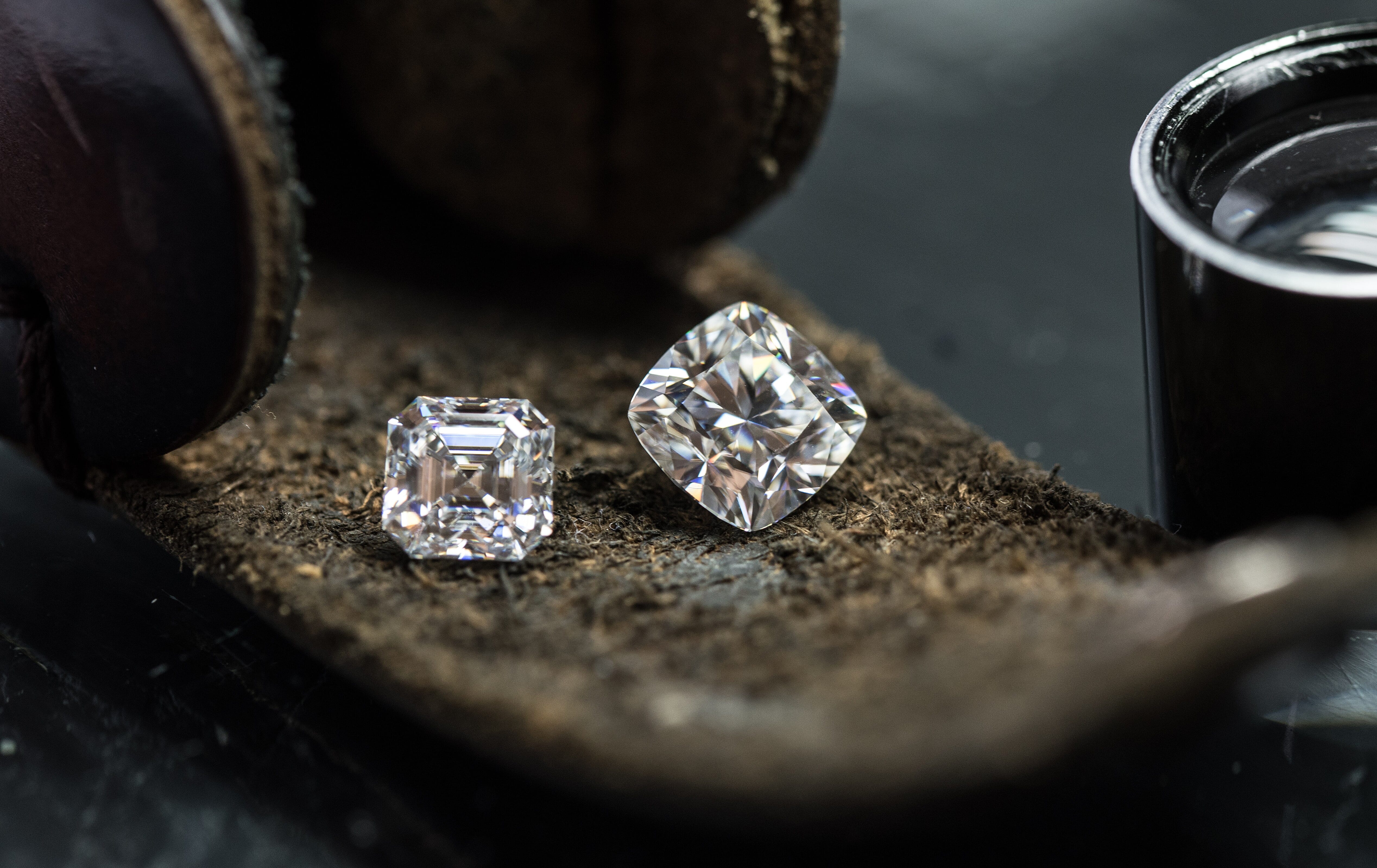
DIAMOND CARAT VS SIZE: WHAT’S THE REAL DIFFERENCE?
When you first enter the world of diamonds, one question often comes up—does a higher carat automatically mean a bigger diamond? It sounds simple, but the answer is more nuanced than it seems. Carat and size are often confused, yet they measure completely different aspects of a diamond. A diamond’s beauty isn’t defined by carat alone. Factors like cut, shape, and how large it appears to the eye all play an important role. This guide will help you understand the exact difference between carat and size so you can choose a diamond that looks beautiful and offers the best value.
TABLE OF CONTENTS
OVERVIEW
What Does Diamond Carat Actually Mean?
Carat is the unit used to measure a diamond’s weight, not how large it looks. One carat equals 200 milligrams, or 0.2 grams. It is one of the key diamond grading factors, along with cut, color, and clarity.
The carat refers to weight, it does not directly tell you how large the diamond will appear when worn. Two different diamonds with the exact same carat weight may be different in size because of their cut, shape, and proportions.
This is where many first-time buyers get confused. Carat sounds like a measure of “bigness,” but in reality, it is only a measure of how heavy the diamond is.
Difference
Diamond Carat vs Size: The Real Difference
To simplify the concept, think of it this way: carat is about weight, while size is about appearance.
Carat defines the diamond weighs when placed on a scale. Size, however, is what your eyes perceive when you look at the diamond from above which include its diameter, surface area, and overall presence.
This difference becomes more noticeable as you compare diamonds side by side. Two stones with identical carat weights can look surprisingly different, simply because of how they are cut or shaped.
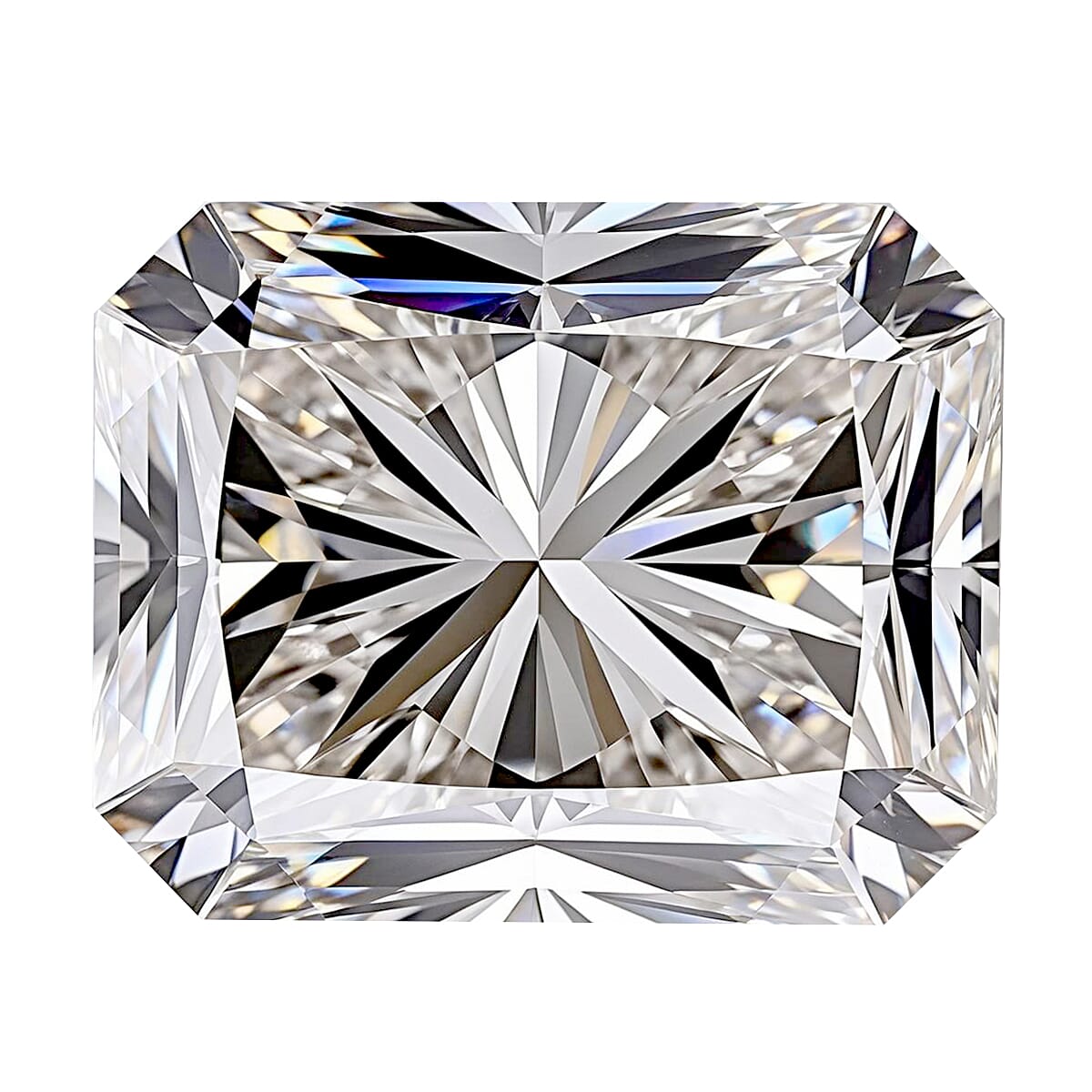
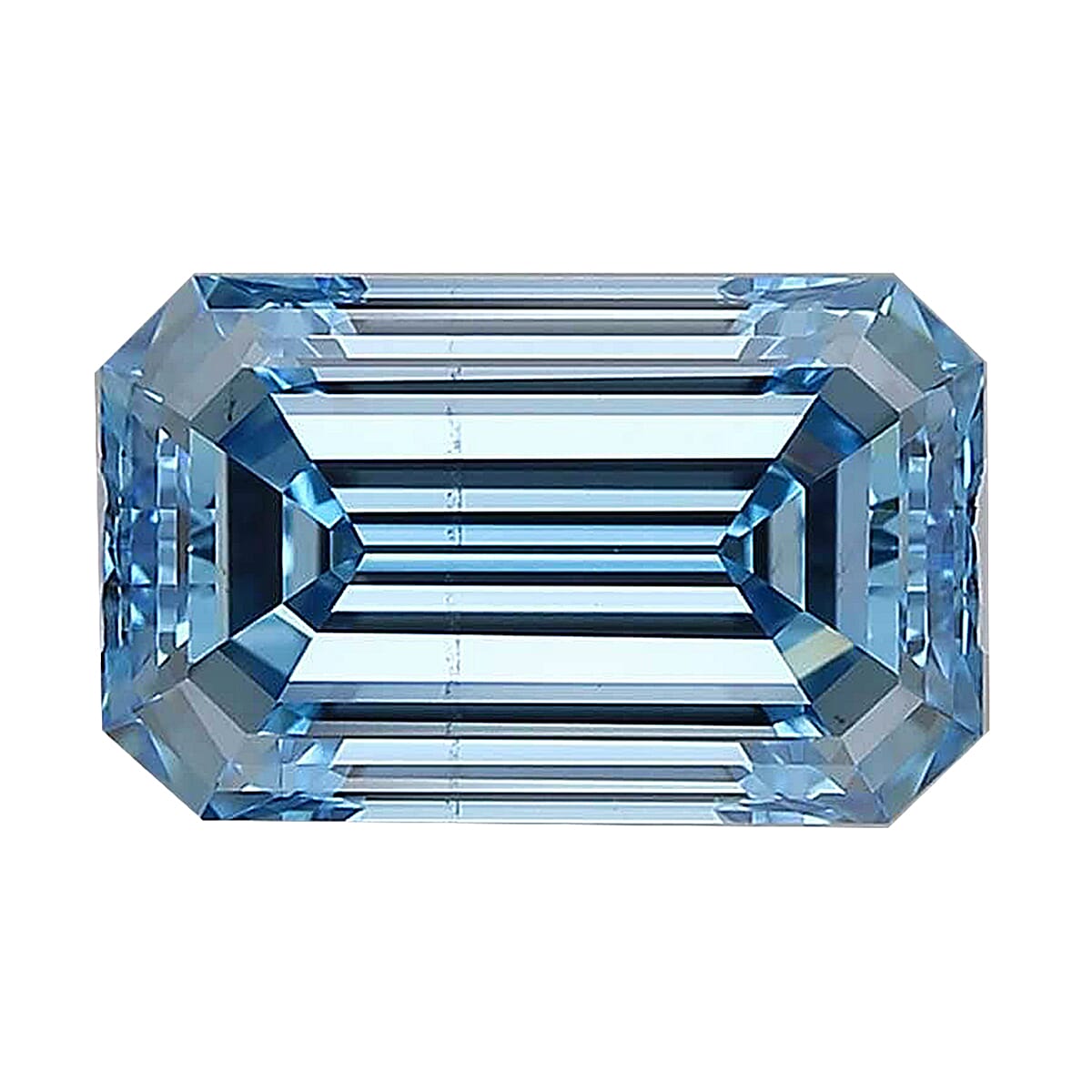
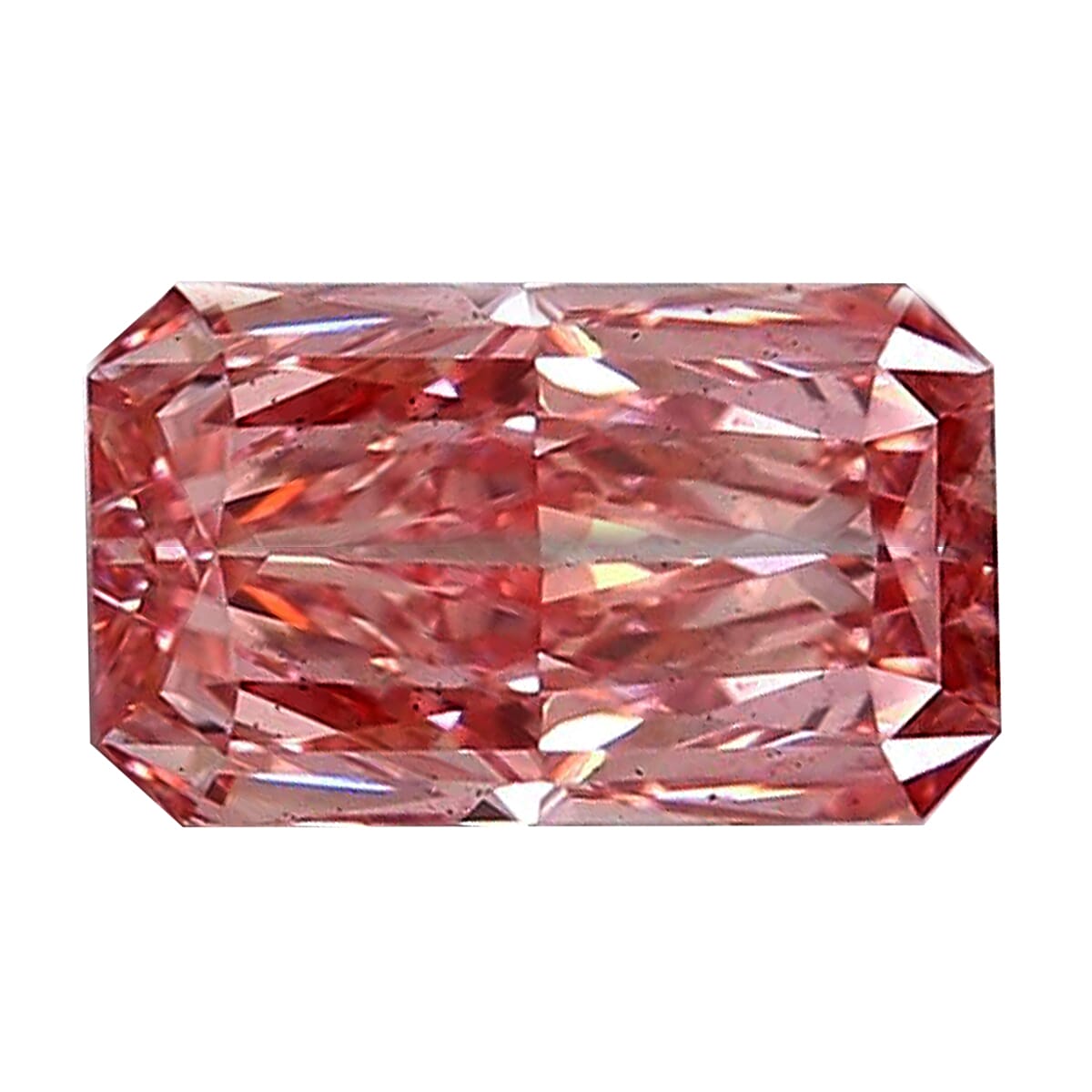
Discover our Bestselling Diamond Jewelry

PERCEPTION
Why Some Diamonds Look Bigger Than Others?
If carat is the same, what makes one diamond look bigger than another? The answer lies in three key factors: cut, shape, and proportions.
- Cut Quality:
Cut is perhaps the most influential factor when it comes to how large a diamond appears. A well-cut diamond reflects light beautifully and often looks larger because of its brilliance and spread. A poorly cut diamond, especially one that is too deep, may hide much of its weight internally. This results in a smaller face-up size, even if the carat weight is high. - Shape of the Diamond:
Different shapes distribute weight differently, which affects how big the diamond looks. Shapes have a strong impact on how a diamond looks. Elongated cuts like oval, marquise, and pear spread appear bigger. Round and cushion shapes hold more depth, so they can look slightly smaller from the top. Two diamonds of identical carat weight can look remarkably different; an oval will almost always command more visual presence than a round of the same size. - Proportions:
Proportions of a diamond such as its depth, table, and angles, also play an important role. A well-proportioned diamond maximizes its face-up size, while an imbalanced one can look smaller or less brilliant. - Understanding Face-Up Size:
When jewelers talk about how big a diamond looks, they often refer to its face-up size. This is the visible area of the diamond when viewed from the top. Face-up size is what truly matters in terms of visual impact. It determines how large the diamond appears when worn, making it more relevant to buyers than carat weight alone. A diamond with a larger face-up size will naturally look bigger, even if its carat weight is slightly lower than another stone.
Pricing
Why Carat Affects Price More Than Size?
Carat weight has a significant influence on a diamond price, but not always in a way that reflects visible size.
Diamonds are priced higher at certain milestone weights, such as 0.50, 1.00, 1.50, and 2.00 carats. These are considered desirable benchmarks, and demand drives their cost.
Interestingly, a diamond just below these thresholds—like a 0.90-carat stone—can look almost identical to a one-carat diamond but cost considerably less. This is why understanding the difference between carat and size can help you make a smarter purchase.
Sizing
What Is a Great Carat Size for an Engagement Ring?
The ideal carat size depends on personal style, budget, and cultural preferences. However, there are some general guidelines that many buyers follow.
Diamonds in the range of 0.50 to 0.75 carats offer a subtle, elegant look. A one-carat diamond is a timeless choice, as it creates a balance between the overall look, budget and use. Diamonds of 1.50 carats and above deliver a bolder, statement-making presence.
Ultimately, the right carat size is the one that feels meaningful to you and suits the wearer’s lifestyle.
Brilliance
How to Make a Diamond Look Bigger Without Increasing Carat?
If your goal is to maximize visual size without stretching your budget, there are several smart strategies you can consider.
The Elongated shapes of a diamond can make it appear larger because they create more visible spread. Settings also help for example a halo setting surrounds the main stone with smaller diamonds, making the main diamond look bigger.
Most importantly, focusing on cut quality ensures that the diamond looks bright, lively, and visually larger.
Comparison
Buying Diamond Necklaces: Carat vs Size
When it comes to diamond necklaces, especially those described as having a total carat weight, it’s important to understand what that means. A necklace marked as three carats may not have a single large diamond. The total weight is often spread across several smaller stones, so each diamond may appear smaller than you might expect
To make an informed choice, always look at how the carat weight is distributed and how the design presents the stones.
Clarity
Lab-Grown vs Natural Diamonds: Does Size Differ?
Whether a diamond is lab-grown or natural does not affect its size in relation to carat weight. A one-carat lab-grown diamond has the same physical properties as a one-carat natural diamond.
The key difference lies in pricing. Lab-grown diamonds are generally more affordable, which allows buyers to choose a larger-looking stone for the same budget.
Myths
Common Misconceptions About Carat and Size
There are several myths surrounding diamond carat and size that can lead to confusion.
One common belief is that a higher carat automatically means a bigger-looking diamond. In reality, cuts and shapes can significantly influence appearance.
Not all one-carat diamonds has the same look. The appearance of a diamond changes based on how well it is cut and how the weight is distributed. A higher carat weight also does not automatically mean better quality, as a diamond’s value depends on the right balance of cut, color, clarity, and carat.
Making the Right Choice
Choosing between carat and size is not about selecting one and ignoring the other. It is about knowing how both affect the final look of a diamond.
Carat may matter more if you prefer a specific weight or milestone size. Size becomes more important when your focus is how large and impressive the diamond appears when worn.
For most buyers, the ideal choice lies somewhere in between, a diamond that offers both presence and value without compromising on quality.
Essence
Final Thoughts
The difference between diamond carat vs size may seem subtle at first, but it plays a major role in how a diamond looks and feels.
Thus, a Carat tells us about diamond weights, while size determines how large it appears to the eye. By understanding this distinction, you can move beyond common misconceptions and make a choice that truly reflects your personality.
By understanding this distinction, you can move beyond common misconceptions and make a choice that truly reflects your personality. In the end, the most beautiful diamond is not just the one with the highest carat weight, but the one that shines the brightest and feels right for you.
FAQs
Q. What is the best carat size of Diamonds for everyday wear?
A. A range between 0.50 and 1.00 carat offers a balanced combination of comfort and visual appeal.
Q. Does diamond shape affect how big it looks?
A. Yes, elongated shapes like ovals and pears tend to appear larger than round diamonds.
Q. Is a one-carat diamond considered big?
A. A one-carat diamond is generally seen as a classic and well-balanced choice. It offers a noticeable presence without feeling too large or overwhelming.
Q. Can a smaller diamond look bigger?
A. Yes, a smaller diamond can also look larger. The Visual aspects of a diamond depend on the cut, setting, and shape. Features like halo settings and elongated cuts help enhance its visual size.
Q. Should I prioritize carat or cut?
A. Cut should usually come first, as it has a direct impact on sparkle and overall appearance. A well-cut diamond often looks brighter and larger than a heavier, poorly cut one.