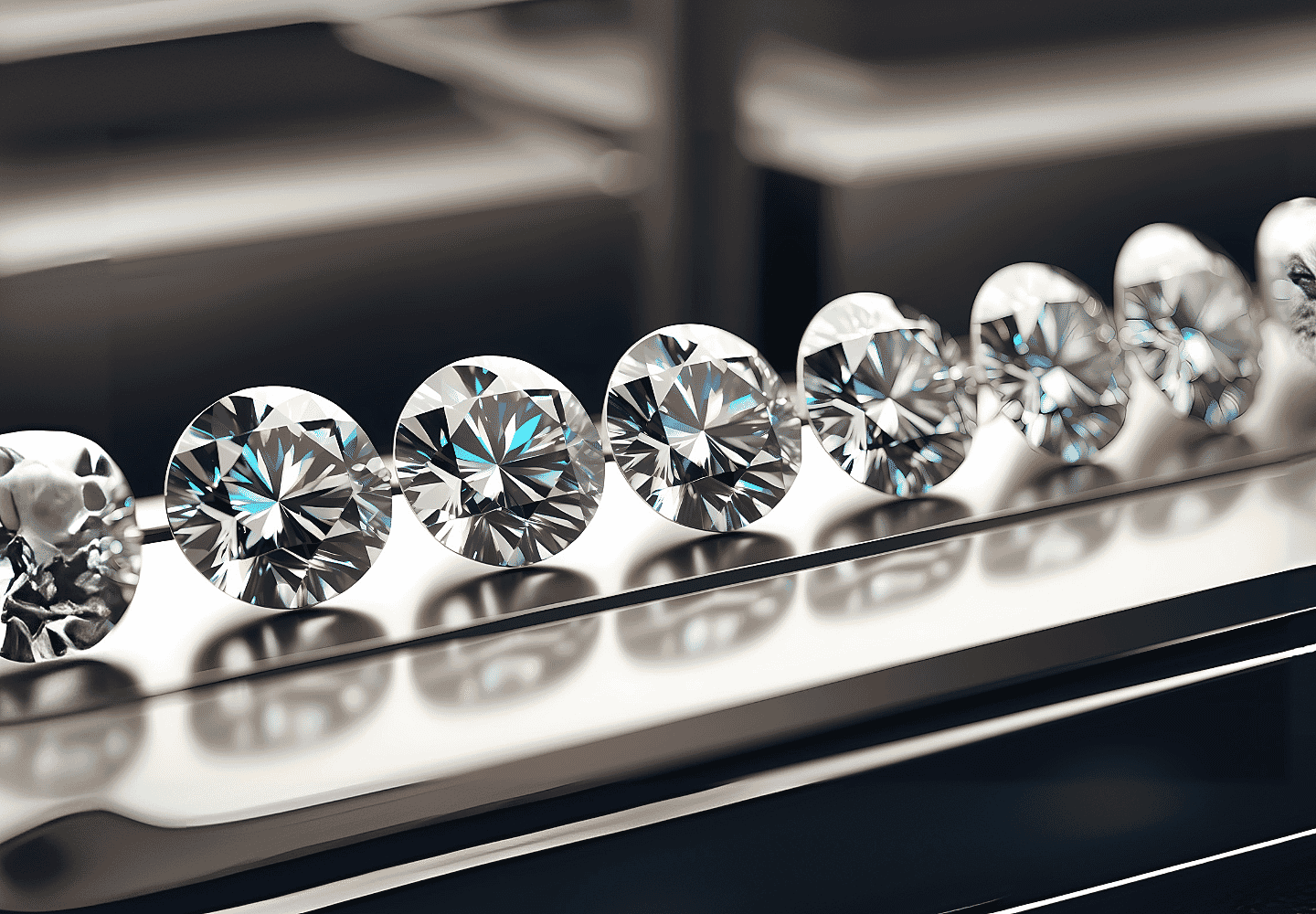
DIAMOND CLARITY SCALE: MEANING, GRADES & HOW TO CHOOSE THE RIGHT ONE
Diamond clarity measures tiny flaws inside and on the surface of a diamond, graded on a scale from Flawless (no imperfections) to Included (visible flaws) under 10x magnification. Most people choose diamonds that appear clean to the naked eye despite minor flaws seen with a loupe. Clarity greatly affects a diamond's sparkle and price, alongside cut, color, and carat weight. Explore our lab-grown diamond collection for bright sparkle without a high price.
TABLE OF CONTENTS
OVERVIEW
What Is Diamond Clarity?
Diamond clarity tells you about the small imperfections, called inclusions and blemishes, in a stone. Inclusions are inside the diamond, like tiny crystals or feathers, while blemishes are on the surface, such as scratches or pits. These form naturally during the diamond's creation under high heat and pressure. Clarity doesn't always mean perfection; it's about how these marks affect the gem's look and light flow. A clear diamond lets more light bounce around, creating that famous sparkle. Labs grade clarity under 10x magnification to spot what the naked eye might miss. For everyday wear, many pick stones where flaws hide well. Learn more in our guide to diamond basics if you're new to this.
EVALUATION
How Does the Diamond Clarity Scale Work?
The scale, set by the Gemological Institute of America (GIA), has 11 grades split into six groups. It starts at Flawless (FL), with no marks at all, down to Included (I3), where flaws show easily and can dull the stone. Graders check five things: size, number, position, type, and contrast of the imperfections. A big inclusion in the center hurts the grade more than a small one on the edge. Position matters because center spots block light, while edge ones might get covered by settings. This system keeps grading fair worldwide. For value, higher grades cost more, but many mid-range ones look just as good.
Discover Our Best Diamond Jewelry
Very, Very Slightly Included (VVS) Clarity
VVS diamonds strike a sweet spot for buyers seeking gems that appear perfect without the rarity premium of higher grades. These stones have tiny inclusions visible only under strong magnification, making them ideal for intricate settings where sparkle reigns supreme. In jewelry like rings or earrings, VVS clarity ensures a crisp, brilliant fire that captivates in any light. Recent trends show VVS popularity rising 15% in lab-grown pieces for their affordability and ethical appeal. Pair them with platinum for a modern, durable look that lasts generations.
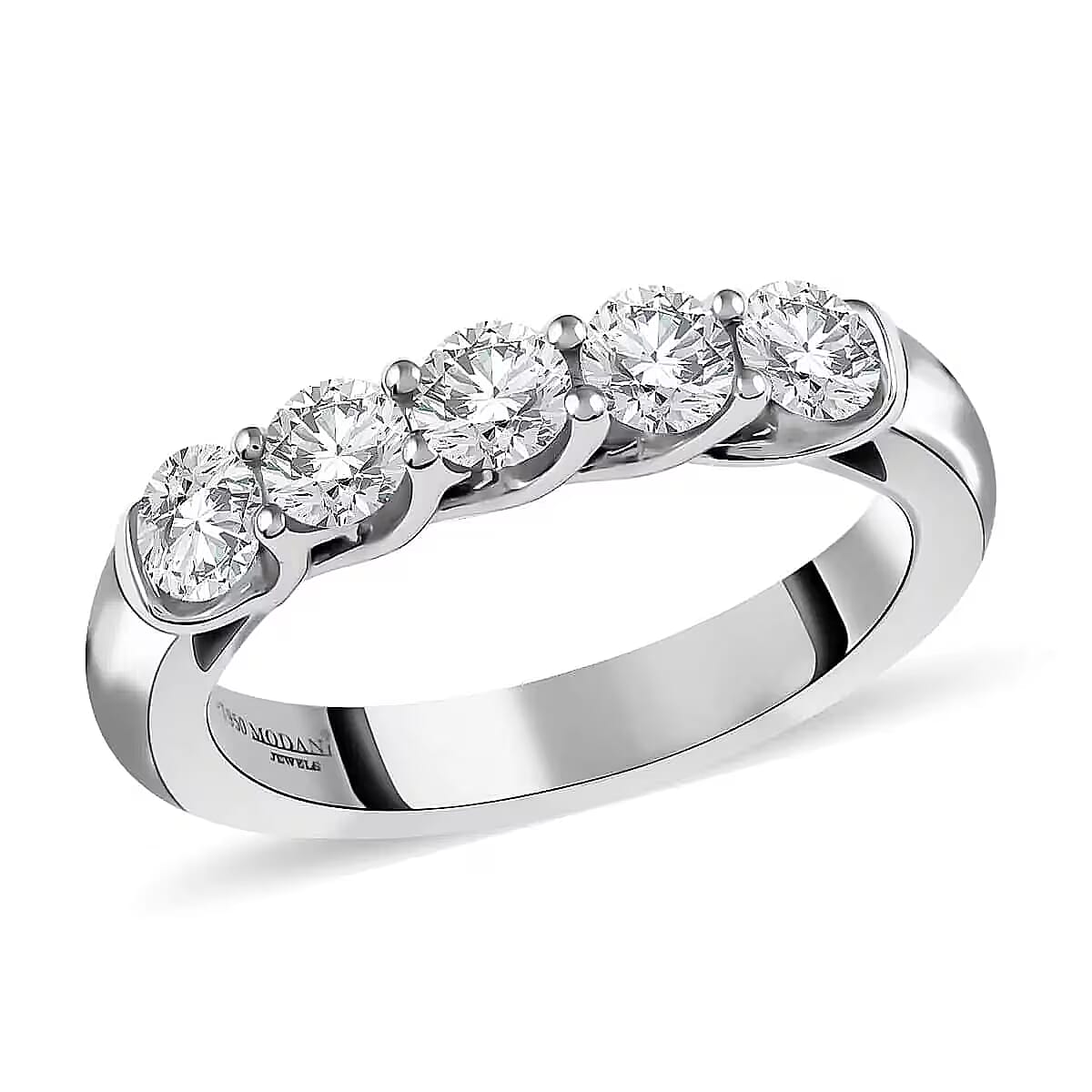

Very Slightly Included (VS) Clarity
VS clarity diamonds strike a balance between high quality and affordability, with tiny inclusions that require magnification to spot. This grade ensures strong light performance and durability, perfect for active lifestyles. Shop LC sources VS diamonds that resist chipping better than lower grades, offering pieces that maintain their sparkle through years of wear. Ideal for anniversary gifts, these diamonds symbolize lasting commitment while fitting various budgets.
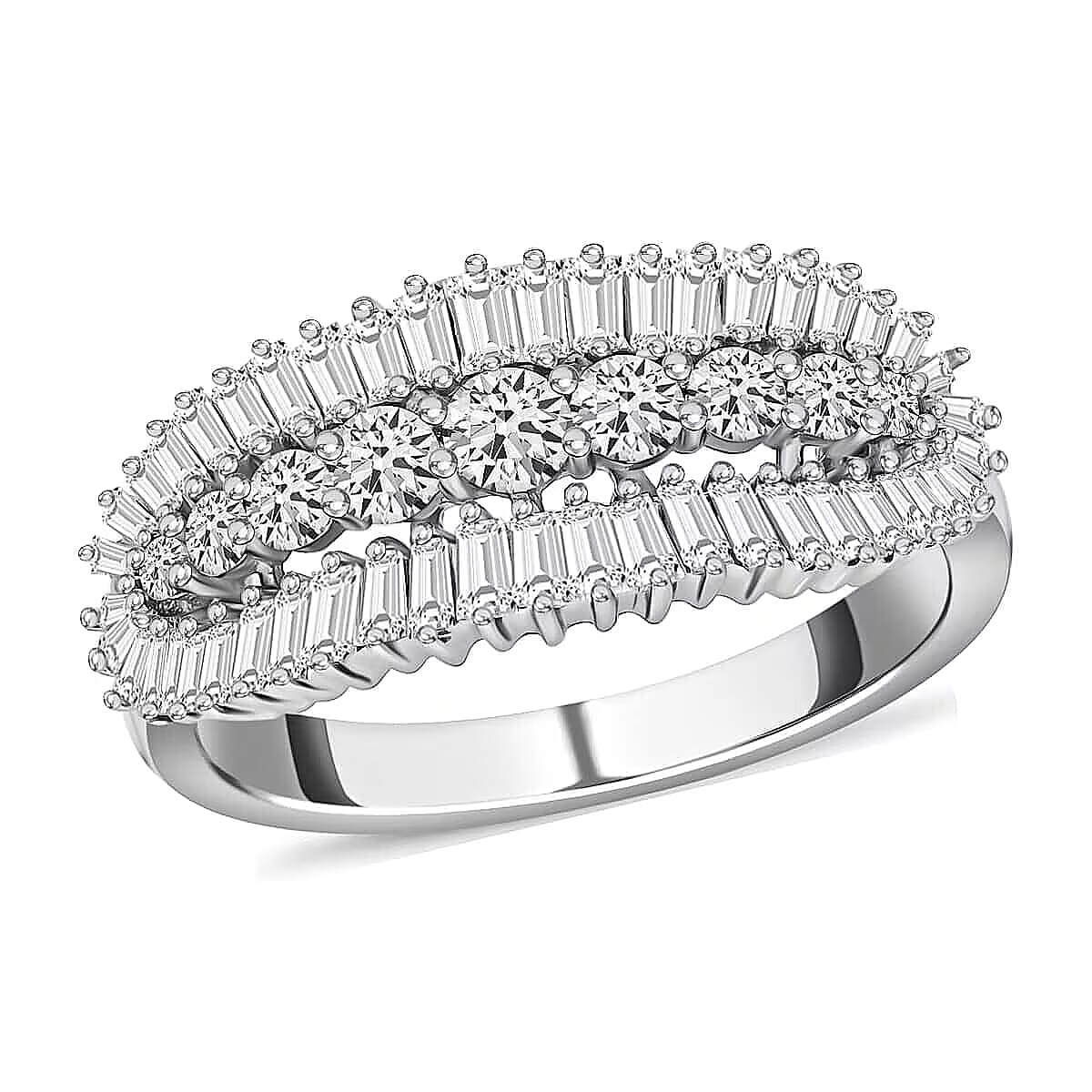

Slightly Included (SI) Clarity
SI clarity provides eye-clean beauty at a great value, with inclusions visible only under close inspection. This grade allows for larger stones without compromising overall appearance. At Shop LC, SI diamonds excel in settings that highlight their fire, like halo designs. They suit casual and formal occasions, offering versatility for stacking or standalone wear. Eco-conscious buyers appreciate lab-grown SI options for their ethical sourcing.


Included (I) Clarity
I clarity diamonds feature noticeable inclusions that add unique character, often at lower costs for bigger carats. This grade shines in vintage-inspired jewelry where flaws blend into the design. Shop LC's I clarity pieces focus on bold statements, like cluster rings, providing affordability for first-time buyers. They hold up well in protective settings and offer a rustic charm that appeals to those who value individuality over perfection.

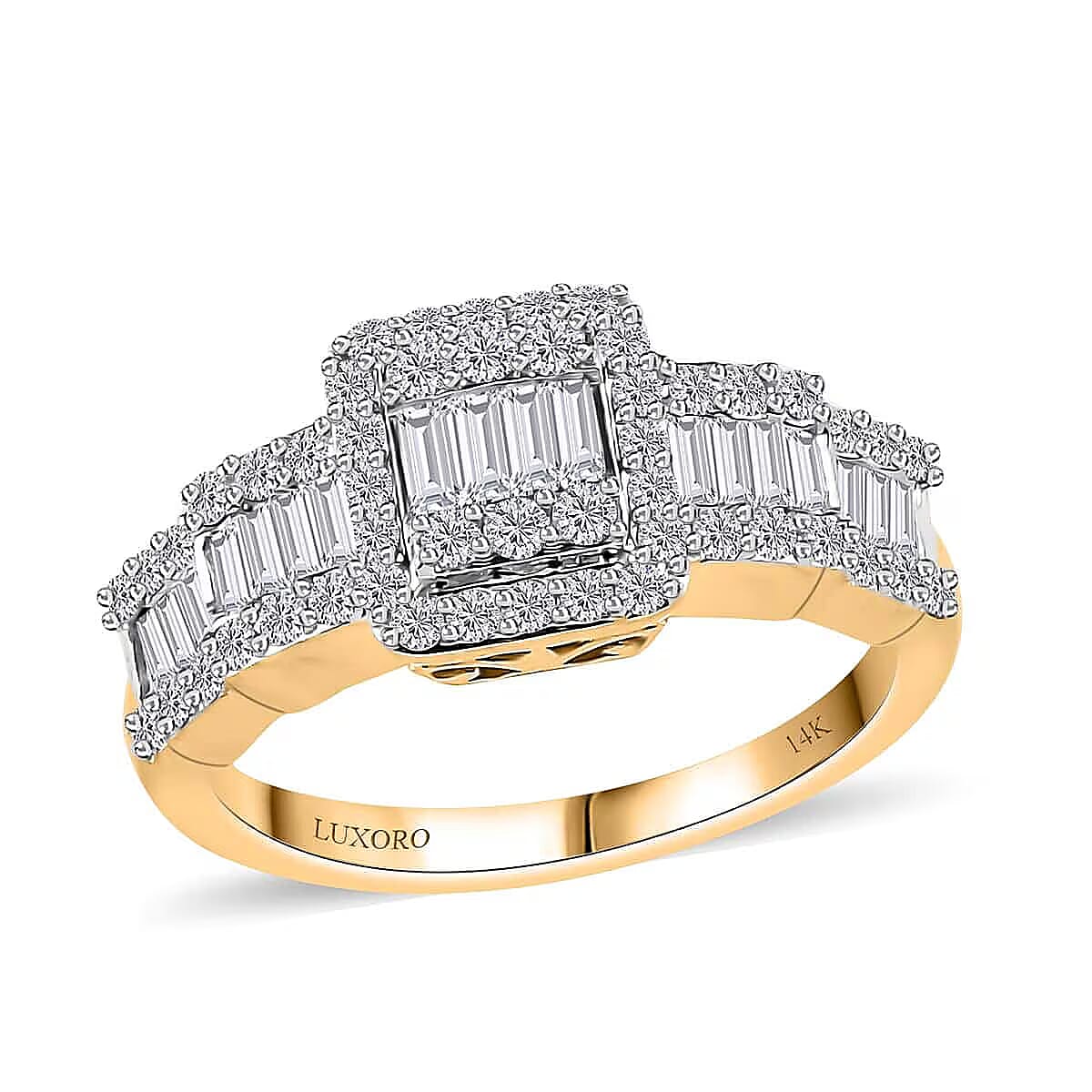
GRADES
What Are the Different Clarity Grades?
Grades range from top to bottom based on flaw visibility.
- Flawless(FL): No inclusions or blemishes under 10x magnification. Rare, less than 1% of diamonds qualify.
- Internally Flawless (IF): No internal flaws, but tiny surface marks possible. Still eye-clean.
- Very, Very Slightly Included (VVS1, VVS2): Minute inclusions hard for experts to see under magnification.
- Very Slightly Included (VS1, VS2): Minor inclusions visible with effort under 10x, often eye-clean.
- Slightly Included (SI1, SI2): Noticeable inclusions under magnification; some SI2 might show to the eye.
- Included (I1, I2, I3): Obvious flaws that can affect transparency and brilliance.
Most diamonds sold fall in VS or SI categories for good looks at lower costs. Our engagement rings collection show these grades in action.
IMPACT
How Does Clarity Affect a Diamond's Value?
Clarity boosts value when flaws are few, as rare perfect stones fetch high prices. A FL diamond can cost 30-50% more than a VS one of similar size. But value isn't just grade; it's how the stone appears. Many VS or SI diamonds sparkle like higher grades without the premium. Shape plays in too, round brilliants hide flaws better than step cuts like emerald. Larger stones over 2 carats often need higher clarity since flaws stand out more. In 2025, buyers favor VS2 to SI1 for value, saving up to 20% versus VVS. Our loose diamonds section shows how clarity ties to pricing.
FACTORS
What Factors Influence Clarity Grading?
Gem graders use five key factors to decide a diamond's clarity grade. They check these under a standard 10x magnification loupe for fairness.
- Size: Bigger inclusions stand out more and can quickly lower the clarity grade.
- Number: Having more flaws in the diamond means a lower overall rating since they add up.
- Position: Where the inclusion sits matters a lot; ones in the center or table hurt the grade more than those near the edges or girdle.
- Nature: This looks at the type of flaw, like a feather that could crack if bumped, which affects the stone's strength.
- Relief: Relief means how much the inclusion contrasts with the diamond; darker ones show up easier in lighter stones.
Lab-grown diamonds get graded the same way but usually have fewer inclusions because of how they're made in controlled settings.
IDENTIFY
How Can You Spot Inclusions Without a Magnifier?
Many inclusions stay hidden to the naked eye, especially in VS2 or better. Look for eye-clean stones where no dark spots or lines appear when viewing from 6-12 inches away. Test in different lights; natural daylight shows flaws best. Avoid I grades if sparkle matters, as they can look cloudy. Use a jeweler's loupe for close checks. In stores, compare side by side.
SELECTION
What Diamond Clarity Is Best for Engagement Rings?
For rings, aim for VS2 or SI1; they look clean and hold value well. These grades balance beauty and cost, with inclusions invisible without magnification.
Consider the setting; prongs can hide edge flaws. In 2025 surveys, 65% of couples pick VS for rings under $5,000.
Lab-grown options in SI often match natural VVS quality at half the price. Browse our diamond rings for ring ideas.
FAQs
Q. What Clarity Grade Offers the Best Value in 2025?
A. VS2 and SI1 clarity grades stand out for their balance of appearance and affordability in diamonds. These levels ensure inclusions remain hidden to the naked eye, providing a clean look similar to higher grades without the added expense. For pieces like engagement rings, they deliver reliable sparkle and quality for long-term wear.
Q. How Do Inclusions Affect Diamond Durability?
A. Certain inclusions, such as large feathers, create potential weak spots that might lead to cracks or chips if the diamond faces impact. Surface-reaching crystals or knots can also reduce structural integrity over time, especially in natural stones. In lab-grown diamonds, fewer such flaws occur due to controlled creation processes, maintaining better overall resilience.
Q. Is Eye-Clean More Important Than Grade?
A. Eye-clean refers to diamonds where no inclusions show without magnification, prioritizing real-world beauty over lab-assigned grades. This quality allows lower-graded stones like SI to appear flawless in daily settings, focusing on visual perfection rather than technical perfection. In jewelry such as diamond earrings, eye-clean aspects enhance enjoyment without needing top-tier ratings.
Q. What Clarity Works Best for Large Diamonds?
A. Higher clarity like VS1 or better suits large diamonds, as bigger sizes make any flaws more apparent across the expanded surface. Internally flawless grades minimize visible imperfections, preserving the stone's transparency and brilliance in substantial gems. For impressive pieces in loose diamonds, these levels ensure the gem retains its commanding presence.
Q. How Often Should You Check Diamond Clarity Post-Purchase?
A. Periodic examinations reveal any emerging blemishes from wear or environmental factors that could alter clarity over time. Cleanings help identify subtle changes in inclusions or surface marks that develop gradually. In maintaining diamond jewelry, consistent checks support the stone's lasting condition through professional assessments.
Q. Are All Diamond Inclusions Considered Flaws?
A. Inclusions form naturally as diamonds crystallize, acting like unique identifiers similar to birthmarks. While some types like large feathers might impact strength if positioned poorly, most remain harmless and invisible without magnification. In fancy colored diamonds, certain inclusions can even enhance the stone's character by blending with the hue.
Q. Does Diamond Clarity Interact with Other 4Cs?
A. Clarity works alongside cut to influence light reflection, where a precise cut can minimize the appearance of inclusions. Color grade also plays a role, as lighter diamonds highlight dark spots more than warmer tones do. Carat size amplifies visibility, making higher clarity ideal for bigger stones in engagement rings.
Q. What Misconceptions Exist About Perfect Clarity?
A. Many believe flawless diamonds are the only durable option, yet even lower grades hold up well for daily wear if inclusions avoid weak points. Another myth is that all inclusions detract from beauty, but in reality, they often add a one-of-a-kind appeal without affecting sparkle. For lab-grown diamonds, controlled creation leads to fewer such features, challenging ideas about natural superiority.
Q. How Does Fluorescence Affect Clarity Perception?
A. Fluorescence causes some diamonds to emit a soft glow under UV light, separate from clarity but influencing how inclusions appear in certain settings. In hazy stones, strong fluorescence might mask minor flaws, creating a milky look in daylight. Buyers can find this trait appealing for its added fire in diamond jewelry.
Q. Can Clarity Be Assessed Without Professional Tools?
A. Basic checks involve viewing the diamond face-up in natural light to spot obvious marks, though true grading requires a loupe for internal details. Rotating the stone helps reveal how light interacts with inclusions across facets. This hands-on approach complements lab reports from places like the diamond education guide.