


DIAMOND GEMSTONE
Diamonds have captivated people for centuries with their brilliance, rarity, and timeless appeal. Formed deep within the Earth under intense heat and pressure, they are the hardest natural gemstone, prized for their beauty and durability. This guide explores everything you need to know about diamonds, including their value, properties, treatments, and what makes them one of the world's most treasured gemstones.
Overview
What Is a Diamond?
Diamond is a gemstone made of a single element known as carbon. Diamond is basically made of 99.95% carbon, the remaining 0.05% can contain one or more trace elements. These trace elements can influence the color and shape of the diamond.
Diamonds are formed under a specific depth underneath the Earth's surface, under conditions caused by high temperature and high pressure. Like a diamond, graphite is also made only of carbon, but its formation differs from that of a diamond. So, as a result, graphite is extremely soft, though diamond is so hard that it can only be scratched by another diamond!
The magical combination of structure, composition, and formation offers diamond unique qualities that make it stand alone. For Ancient Greeks and Romans, diamonds were the tears of Gods or the fragments from falling stars.
VALUE
Determining Diamond Value
Is diamond valuable? The value of a diamond is determined by a combination of its color, clarity, cut, and carat weight. These guidelines will help you choose diamond stones for your collection.

Diamond Color
Diamond color is one of the key factors that determine its value. Most diamonds used in jewelry are nearly colorless with slight yellow or brown tints, while truly colorless diamonds are exceptionally rare. The GIA D-to-Z Color Scale grades diamonds based on the absence of color, with colorless diamonds generally being the most valuable.

Diamond Clarity
Diamond clarity measures the presence of natural inclusions (internal) and blemishes (surface). Fewer imperfections mean higher clarity and greater value. The rarest diamonds are Flawless (FL), while most jewelry diamonds have minor inclusions that are invisible to the naked eye.

Diamond Cut
Diamond cut refers to how well a diamond is shaped and faceted to reflect light. A well-cut diamond delivers exceptional brilliance, fire, and sparkle, making cut one of the most important factors affecting a diamond's beauty and value.

Diamond Carat
Carat measures a diamond's weight, with one carat equal to 200 milligrams. Larger diamonds are much rarer than smaller ones, making them more valuable and increasing their price per carat.
TREATMENT
Diamond Treatment
Diamond can go through a variety of treatments.
- HPHT: This high-pressure high-temperature enhancement is used to improve color and clarity. This treatment is done frequently and is stable with proper care.
- Irradiation: Being a commonly used enhancement method, this treatment is done using a linear accelerator or electron bombardment to improve or add a new color. This improvement produces a stable enhancement.
- Laser Drilling: This enhancement is commonly used to improve the clarity of the diamonds. It is stable with normal care.
- Foil backing: This treatment is used very rarely. It is done to improve the appearance or color of the diamond.
- Fracture Filling: Commonly used, this enhancement is used to improve clarity by filling surface reaching fractures in the stone.
- Ultrasonic or steam cleaners are not good for the diamonds that undergo laser drilling, foil backing or fracture filling treatment.
Discover Our Best Lab Grown Diamond Jewelry
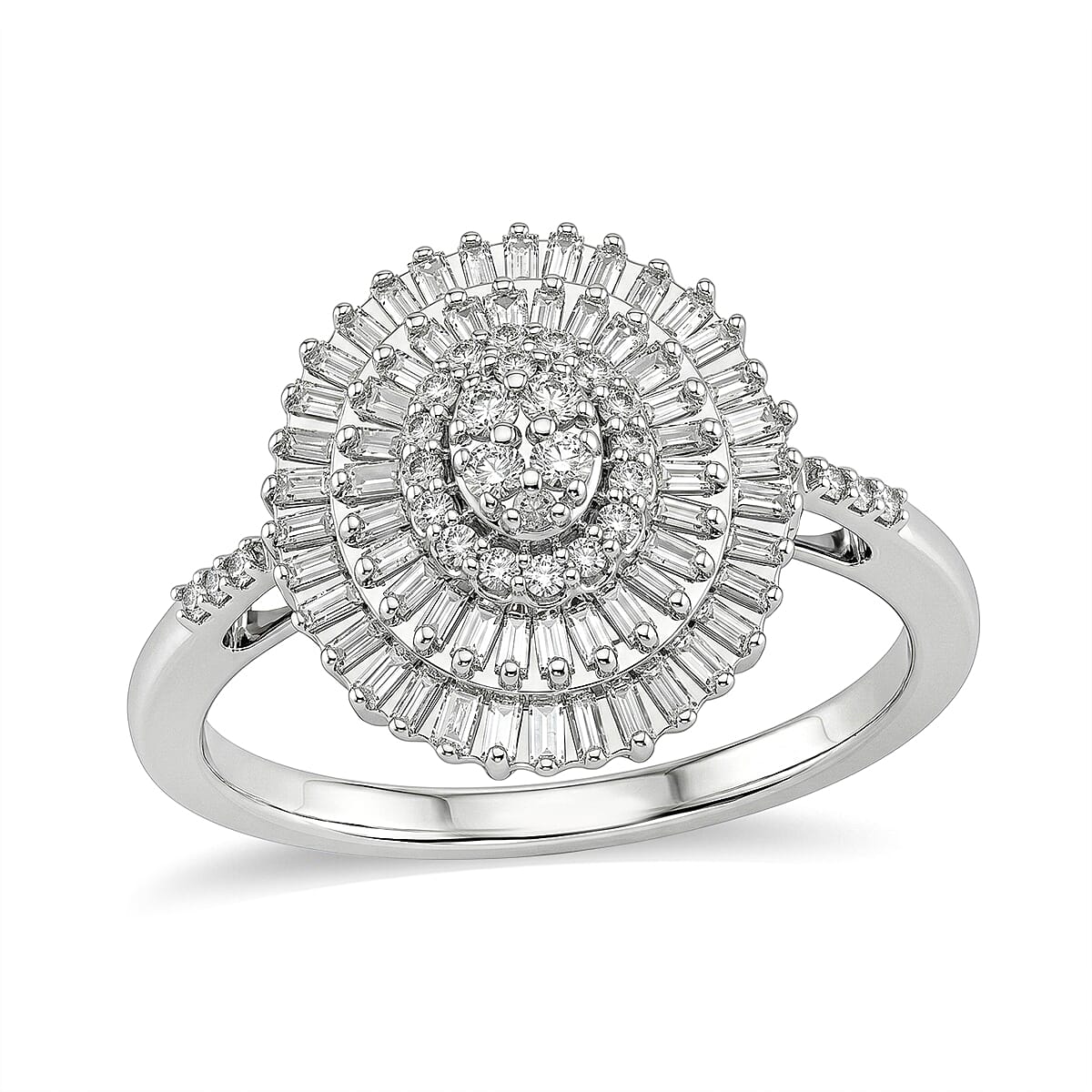
D'Joy Diamond 0.50 ctw Ballerina Celestial Crown Ring in Rhodium Over Sterling Silver
Inspired by the graceful beauty of a ballerina, this D'Joy diamond ring features a dazzling celestial crown design with 0.50 ctw diamonds. Crafted in rhodium over sterling silver, it offers brilliant sparkle and lasting shine. A timeless statement piece for celebrations, special occasions, or everyday elegance.
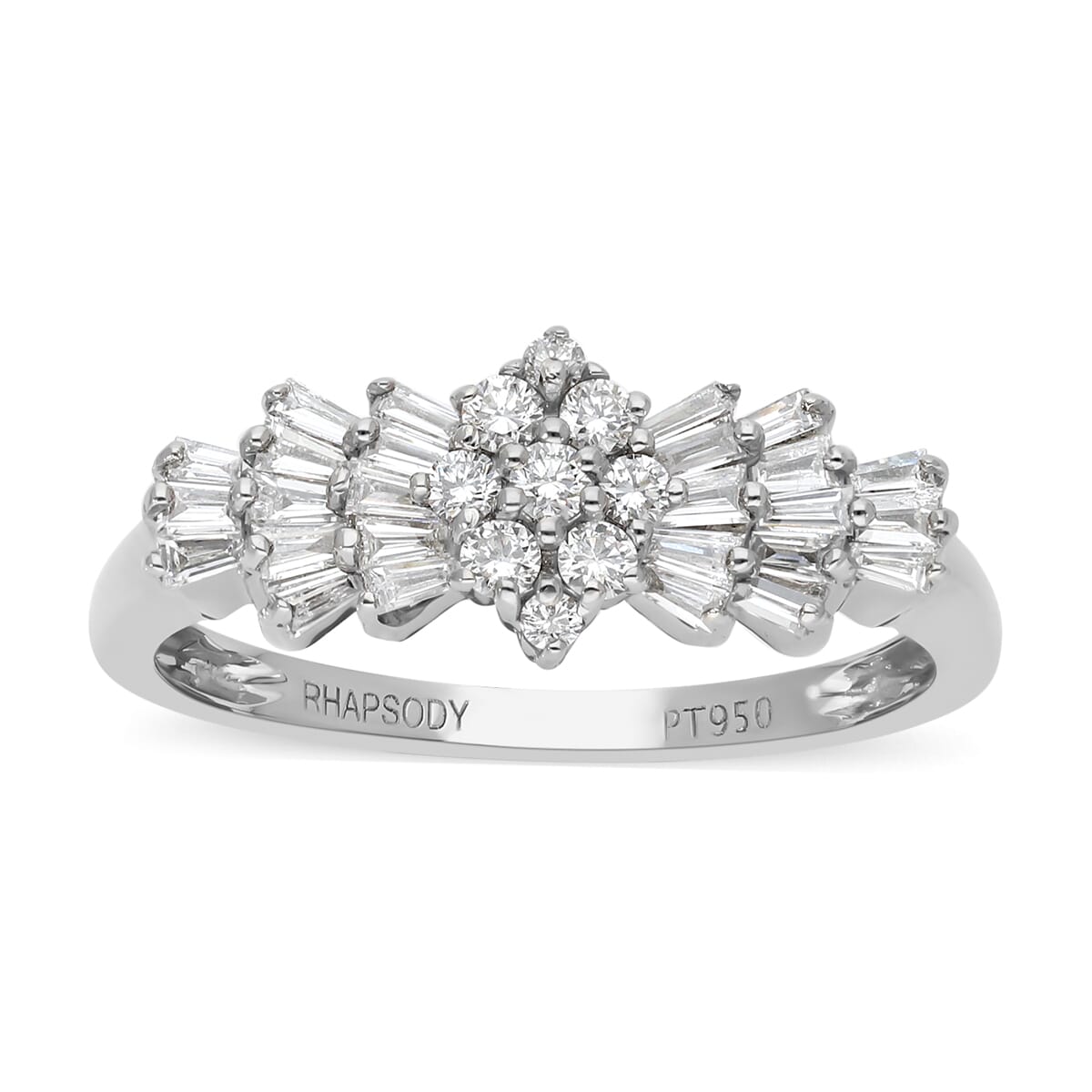
RHAPSODY IGI Certified Diamond E-F VS Ring in 950 Platinum
Celebrate exceptional craftsmanship with this RHAPSODY ring featuring IGI-certified E-F color, VS clarity diamonds. Expertly crafted in luxurious 950 platinum, it delivers remarkable brilliance and enduring sophistication. An heirloom-worthy design perfect for engagements, anniversaries, or milestone moments.
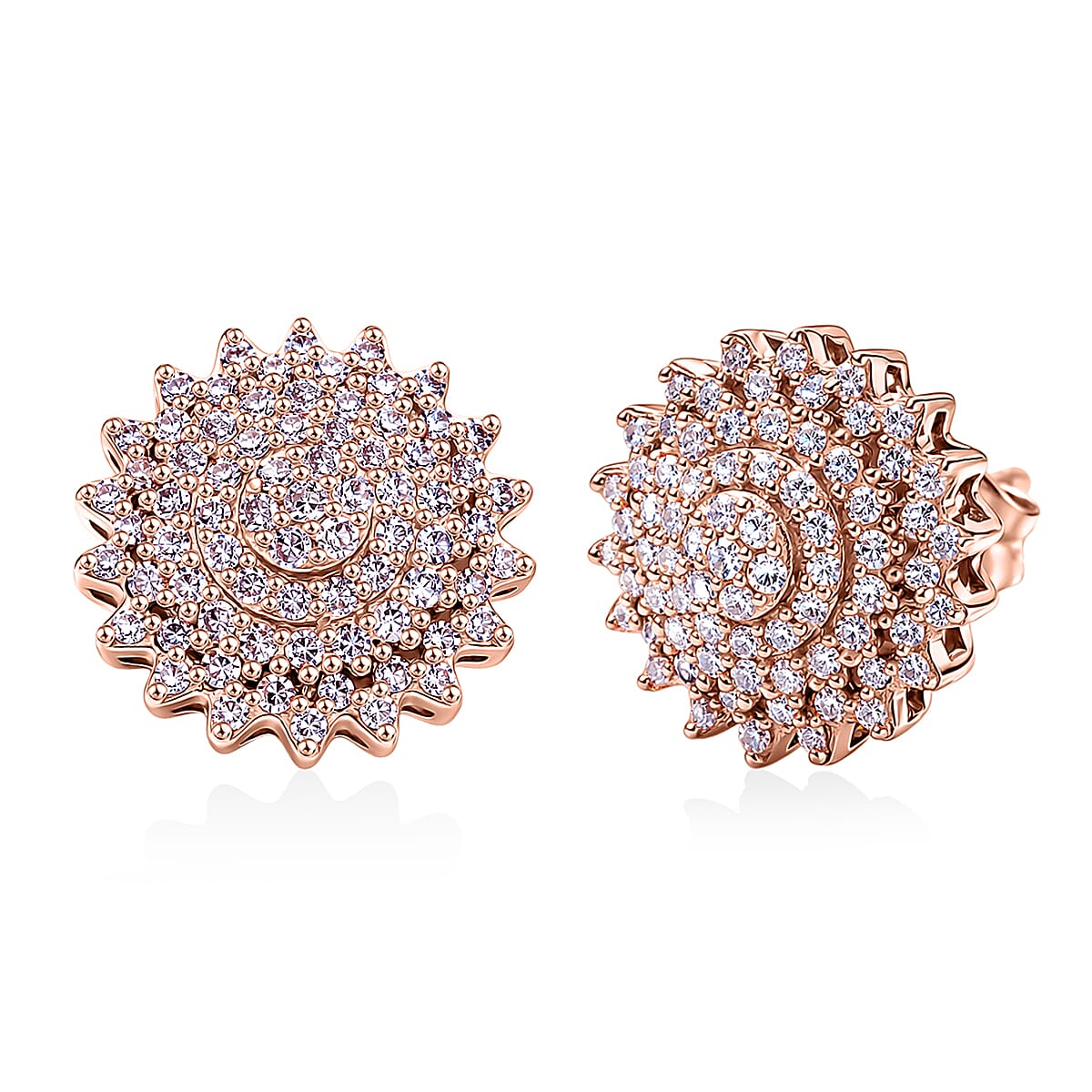
D'Joy Natural Pink Diamond I3 0.50 ctw Eternal Spark Cluster Stud Earrings in 18K Vermeil Rose Gold Over Sterling Silver
Add a romantic touch to your jewelry collection with these D'Joy natural pink diamond cluster stud earrings. Set in rich 18K vermeil rose gold over sterling silver, the sparkling floral-inspired design offers feminine charm and everyday versatility. A thoughtful gift for someone special or yourself.
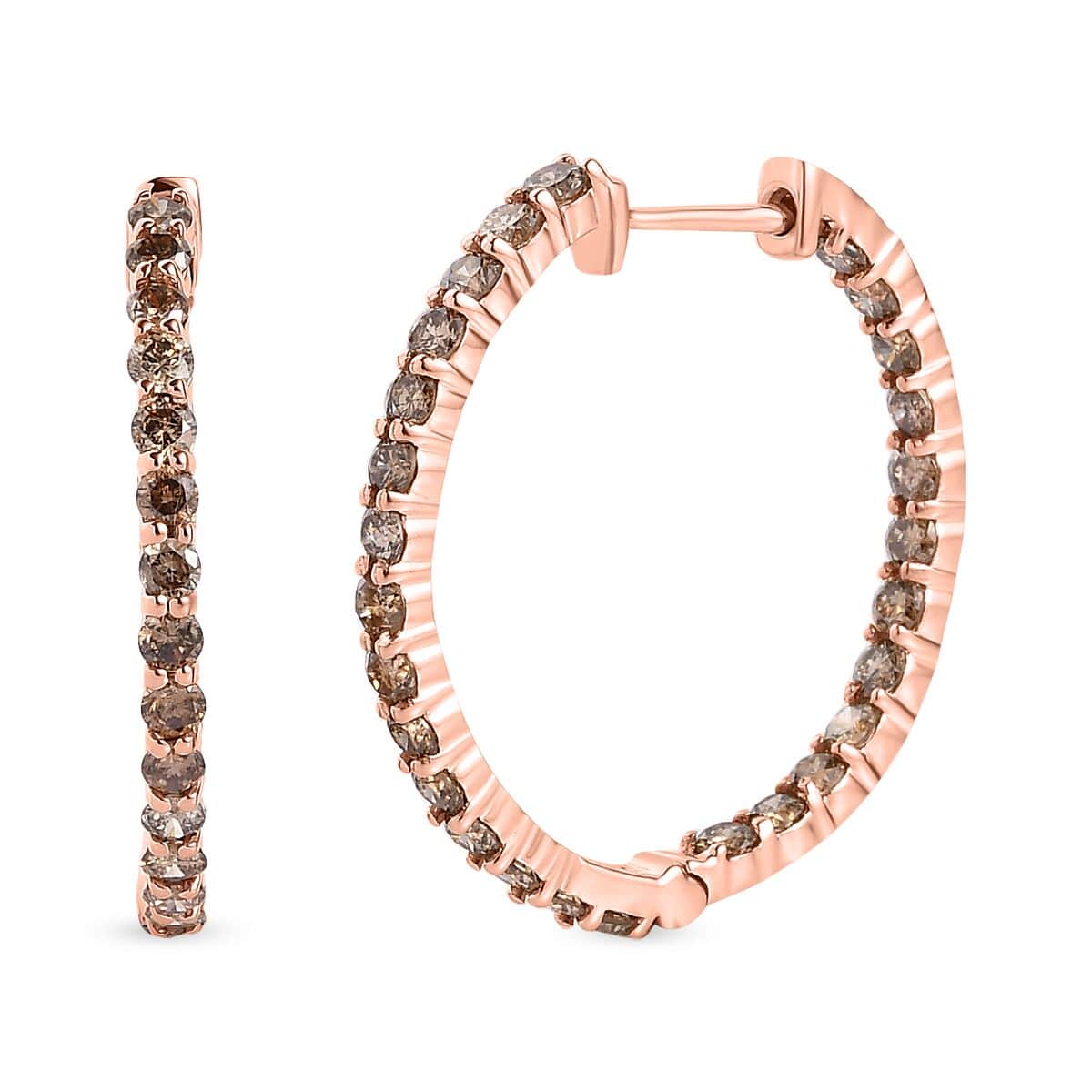
Luxoro 10K Rose Gold Natural Champagne Diamond 2.00 ctw Earrings, Diamond Hoops, Diamond Gold Studs
Elevate your style with Luxoro natural champagne diamond earrings, crafted in warm 10K rose gold with an impressive 2.00 ctw of sparkling diamonds. Their elegant silhouette blends contemporary sophistication with timeless appeal. Perfect for day-to-night wear and unforgettable occasions.
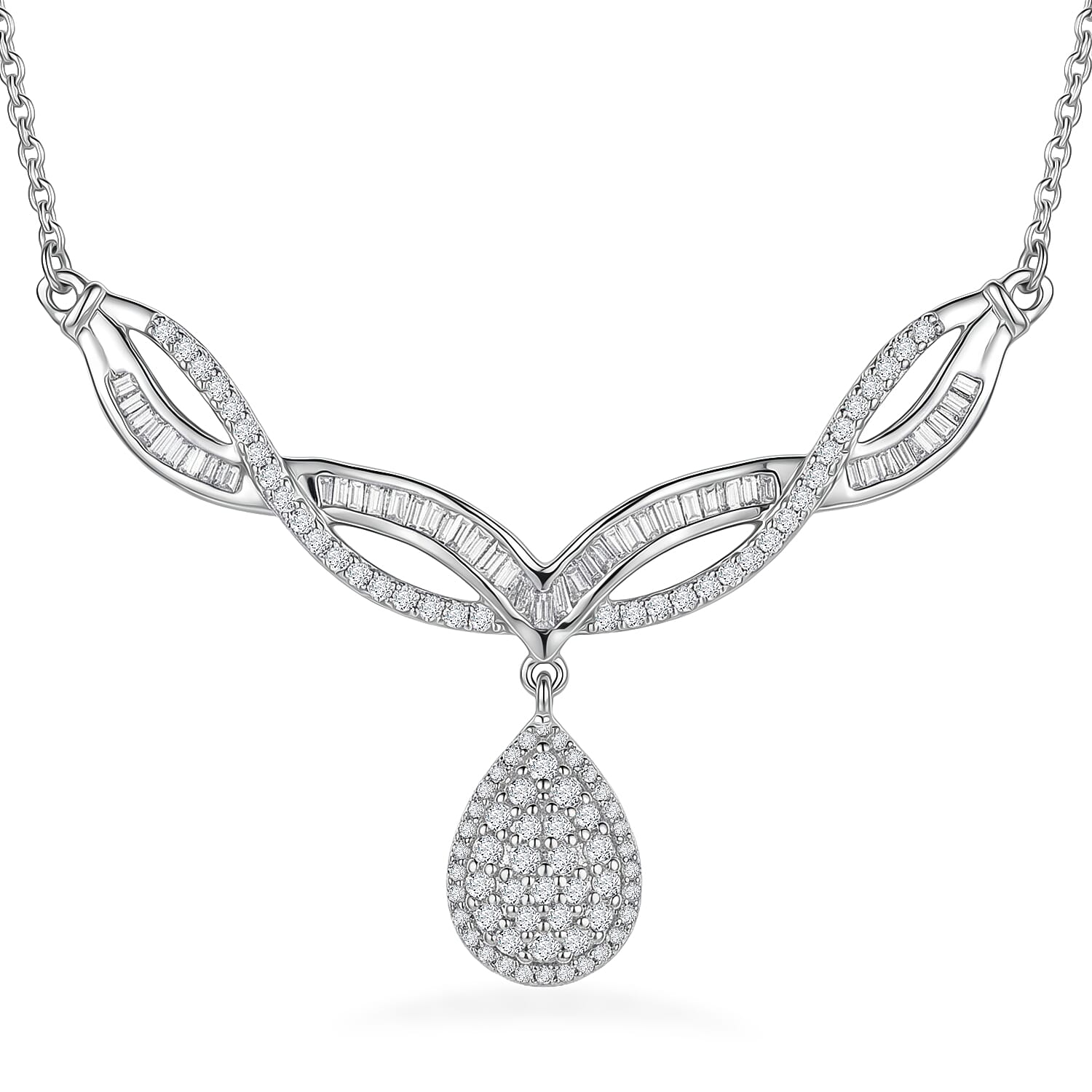
D'Joy Diamond 1.00 ctw Starlight Drop Necklace in Rhodium Over Sterling Silver
Shine with celestial elegance in this D'Joy Starlight Drop Necklace featuring 1.00 ctw of radiant diamonds. Crafted in rhodium over sterling silver, its graceful drop design catches the light from every angle. A refined accessory that complements both everyday looks and evening attire.
CARE
Caring for Diamond
A well-known advertising slogan expertly defines a diamond's timeless appeal, icy beauty, and durability. Ranking ten on the Mohs scale of hardness makes diamond extremely resistant to scratching. Its great toughness provides it safety against chipping, breaking or cracking.
Ultrasonic and steam cleaners are safe for the cleaning of most diamonds, except for those diamonds with fissure filling treatment, foil backing, or laser drilling. Formed under conditions of high temperature and high pressure, excessive heat does not produce any harm to the gem.
While diamonds last forever, it is essential to clean diamond jewelry regularly. A simple cleaning procedure keeps diamond jewelry looking great longer. Use lukewarm water with dish soap and a soft brush to remove dirt. Rinse with fresh, cool water. A dry cloth can soak the moisture and save the sheen of the gemstone.
Diamond is the only stone that can scratch another diamond. So, do not store two pieces of diamond jewelry together. Similarly, avoid storing other gemstone jewelry with diamond as a diamond can cause serious damage. A jewelry box with compartments or soft cloth pouches are excellent homes for this jewelry.
IDEAL CHOICE
Who Can Wear Diamond?
A symbol of love and eternity, diamond is the most popular choice when it comes to engagement rings and bridal jewelry. Although an excellent choice for the variety of ring designs and earrings, diamond makes an exceptional selection for any jewelry style such as pendants, necklaces or bracelets.
From royals to celebrities, diamond jewelry always has a high fashion position in the form of solitaire rings, tiaras, and bracelets. This radiating gemstone is a perfect companion to all the colors in your wardrobe. Be it a green, orange, red or black, diamond jewelry is enough to add the perfect dose of glamour to the look.
Diamond jewelry is the traditional gift for the 10th wedding anniversary.
COMPARISON
How Does Diamond Compare to Other White Stones?
It is difficult to find a comparison to diamond. Diamonds are loved for their brilliance, colorless charm and fire. There are few colorless varieties such as white topaz and Cambodian zircon that have their own unique appeal, but the fire shown by diamonds is distinct.
Moissanite, white topaz, cubic zirconia, white sapphire, and goshenite are few gemstones that can be considered as alternatives for the classic diamond solitaire ring.
ORIGIN
Where Does Diamond Come From?
The main diamond producing countries are South Africa, Russia, Botswana, and Australia. Along with them, diamonds are also found in Siberia, India, Canada, China, Brazil, and the United States. Shop LC sources its supply from around the world. Shop adheres to all international and local laws when trading diamonds or other gemstones. In addition, Shop LC follows established industry protocols such as the Kimberley Process when buying or selling diamond to do our part in removing conflict stones from the market.
PROPERTIES
Diamond Properties
What Does Diamond Mean?
A symbol of love and a part of eternity, diamond is mentioned in various beliefs and myths. In Rome, it was believed that a soldier wearing a diamond on the left arm would be offered courage and protection.
In the ancient Hindu culture, diamonds were said to contain the power of lightning. There are also beliefs that diamond possesses metaphysical properties that boost mental health and act as a remedy for poison.
BIRTHSTONE
Is Diamond a Birthstone?
According to the modern US birthstone list, diamond is the modern birthstone of April. While diamond is known for its captivating brilliance, its colored counterparts makes for a contemporary birthstone choice.
FACTS
Diamond Facts
- Diamond ranks ten on the Mohs scale of hardness.
- Diamond color ranges from almost colorless with the tints of yellow or brown.
- Shop LC sources diamond from all around the world.
- Diamonds may undergo additional treatment to improve color or clarity.
- Colored diamonds are also known as fancy diamonds.


 View Cart