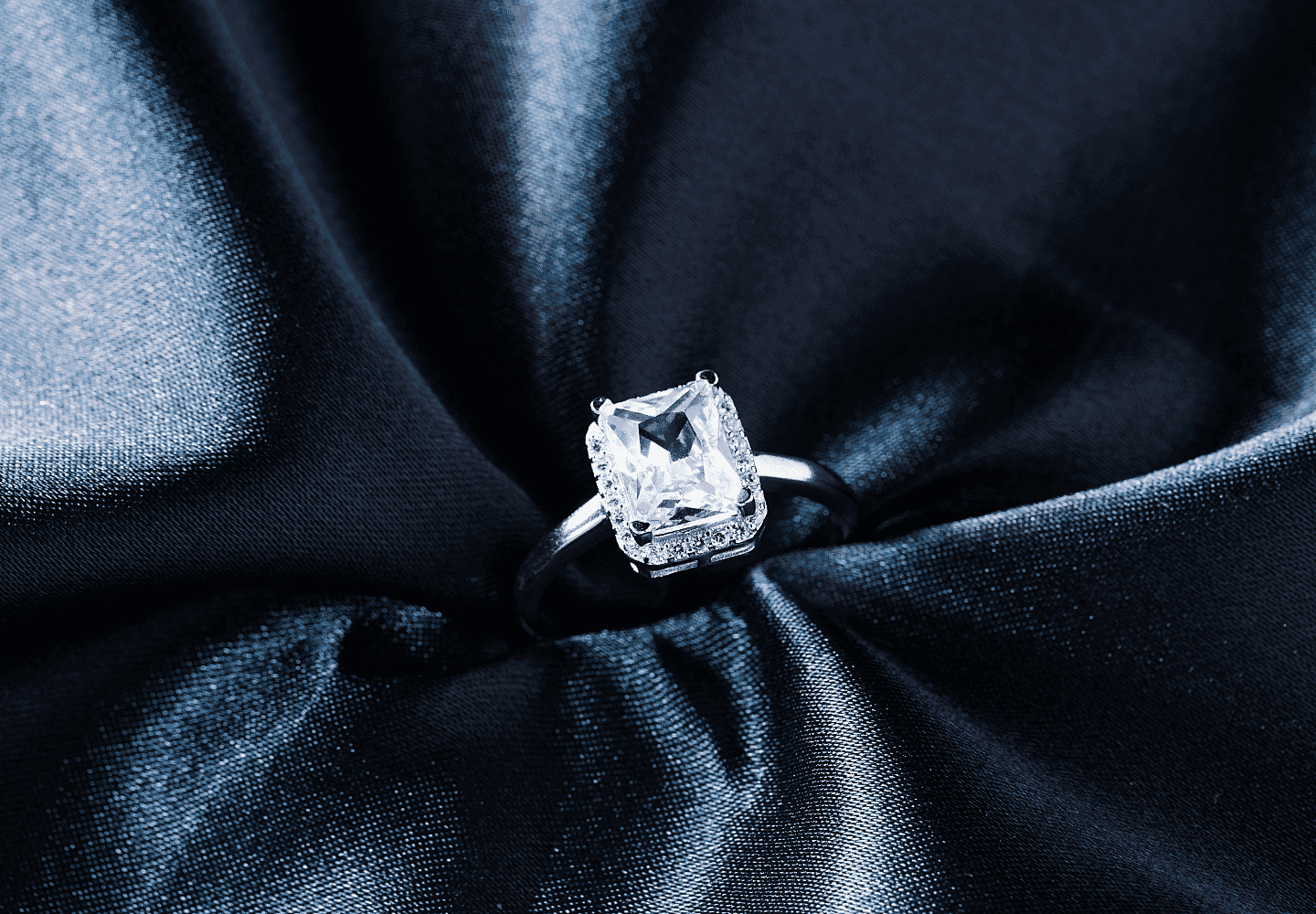
DIAMOND COLOR CHART & GRADING GUIDE
When picking out a diamond, color plays a big role in how it looks and what it's worth. The diamond color chart helps buyers see the differences in shades, from pure white to slight yellow tones. Labs like GIA grade diamonds on a scale that starts at D for no color and goes to Z for light color. This guide breaks down the diamond grading scale so you can spot good value. At Shop LC, we offer diamonds in various grades to fit your style and budget.
TABLE OF CONTENTS
What Is Diamond Color Grading?
Diamond color grading checks how much yellow or brown tint a stone has. Experts look at diamonds under special lights, face down, against known samples. The less color, the higher the grade and price. GIA set this up in the 1950s to make things fair. Before that, terms like "blue white" confused buyers. Now, it's standard worldwide. A D-grade diamond has zero color, rare and costly. Most sold are G to J, which look white to most eyes. At Shop LC, our diamonds get graded by trusted labs for real quality. This keeps costs low while giving you sparkle. For rings, color matters more in big stones over 1 carat. Small ones hide tint better.
How Does the Diamond Color Scale Work?
The scale runs from D to Z, with D as colorless and Z as light yellow or brown. Graders compare stones to master sets in neutral light. Each letter shows a color range. D-F are colorless, G-J near colorless, K-M faint, N-R very light, S-Z light. Fancy colors beyond Z get their own system, like vivid yellow. In 2025, most buyers pick G-J for value. Color affects light return, so higher grades sparkle more. But cut can make a lower color pop. Shop LC focuses on balanced grades in our lab-grown diamond line, saving you up to 30% vs. natural ones.
What Does Each Grade on the Diamond Color Chart Mean?
Here's a breakdown of key grades:
- D: Fully colorless, top rarity. Only 1% of diamonds hit this. Costs 20-30% more than E.
- E-F: Almost no color, hard to tell from D without tools. Great for white gold settings.
- G-H: Near colorless, faint tint under magnification. Popular, looks white face up.
- I-J: Slight yellow in bright light, but good value. Saves 15-20% vs. G.
- K-M: Faint yellow visible, warm look in yellow gold. Budget pick for vintage styles.
- N-Z: Noticeable tint, less sparkle. Avoid for clear white effect.
Use this table for quick reference:
| Grade Range | Description | Best For | Price Impact |
|---|---|---|---|
| D-F | Colorless, icy white | Premium jewelry, solitaire rings | High, up 50% premium |
| G-J | Near colorless, minimal tint | Engagement rings, earrings | Mid-range, 20-30% savings |
| K-M | Faint yellow, warm tone | Gold settings, pendants | Low, 40%+ savings |
| N-R | Very light color, noticeable | Colored gold, small accents | Budget, but less recommended |
| S-Z | Light color, brown/yellow hue | Unique designs, avoid for brilliance | Lowest, rare in fine jewelry |
Why Does Diamond Color Affect Price?
- Rarity: Diamonds with less color are harder to find in nature, so they cost more because supply is low.
- Price Differences: For example, a 1-carat natural diamond graded D might sell for about $10,000, but one graded J could go for around $4,500.
- Lab Grown Savings: Lab-grown diamonds cut prices by 80 to 90 percent versus natural stones, letting buyers get high-color grades without breaking the bank.
- Value Retention: Natural diamonds often keep their worth better long-term, while lab-grown ones see faster price drops due to more supply.
- Setting Effects: Choose yellow gold to mask slight yellow tints in lower grades like K to M, which helps save money on the stone.
- Shop Lc Advantage: At Shop LC, our diamonds beat average market prices with ethical sources, so you get quality without overpaying. See our affordable diamonds under $100 for great starter options.
- Fancy Perfumes: Diamonds with fancy colors, such as pink or blue, spike in price because they're super rare, sometimes costing 10 times more than similar white ones, though trends show slight dips in 2025.
.png)
SELECTION
How Can You Spot Diamond Color Differences?
- View diamonds face up in natural daylight: This lighting shows true colors without artificial boosts, helping you see subtle tints clearly.
- Compare stones side by side: Putting a G-grade next to a J-grade reveals the faint yellow warmth in the lower one right away.
- Use magnification to check for tints: A loupe or microscope lets you spot tiny color hints that aren't visible to the naked eye.
- Test under UV light for fluorescence: Some diamonds glow blue under UV, making grades like I-J appear whiter; GIA says about 30% of stones have this trait.
- Watch videos for online purchases: High-quality clips give a real sense of color in motion, and Shop LC offers 360-degree views on our diamond ring.
- Steer clear of bright store lighting: Harsh lights can mask yellow tones, so always inspect in softer, neutral conditions.
- Hold against a white background: Comparing to plain white paper highlights any warmth or yellowness in the diamond.
- Note similarities in lab-grown diamonds: Lab-created stones match natural colors exactly but come at a lower price point.
What Are the Best Diamond Colors for Different Settings?
- White Gold or Platinum: Choose D-H grades to keep the icy look since these metals highlight colorless to near-colorless stones.
- Yellow Gold: Opt for I-M grades as the metal reflects warmth and masks slight yellow tints effectively.
- Rose Gold: Pair with faint tints like K-M for a trendy vibe that complements the pinkish hue.
- Halo Styles: Match the center stone color to the side stones to ensure a uniform appearance across the ring.
- Engagement Rings: G-J colors are commonly used in white settings for balance and value.
- Diamond Rings: Shop LC's diamond earrings shine in any metal with versatile G-I grades.
- Vintage Rings: Favor K grades for an antique charm that suits older designs well.
Discover Our Best Diamond Rings
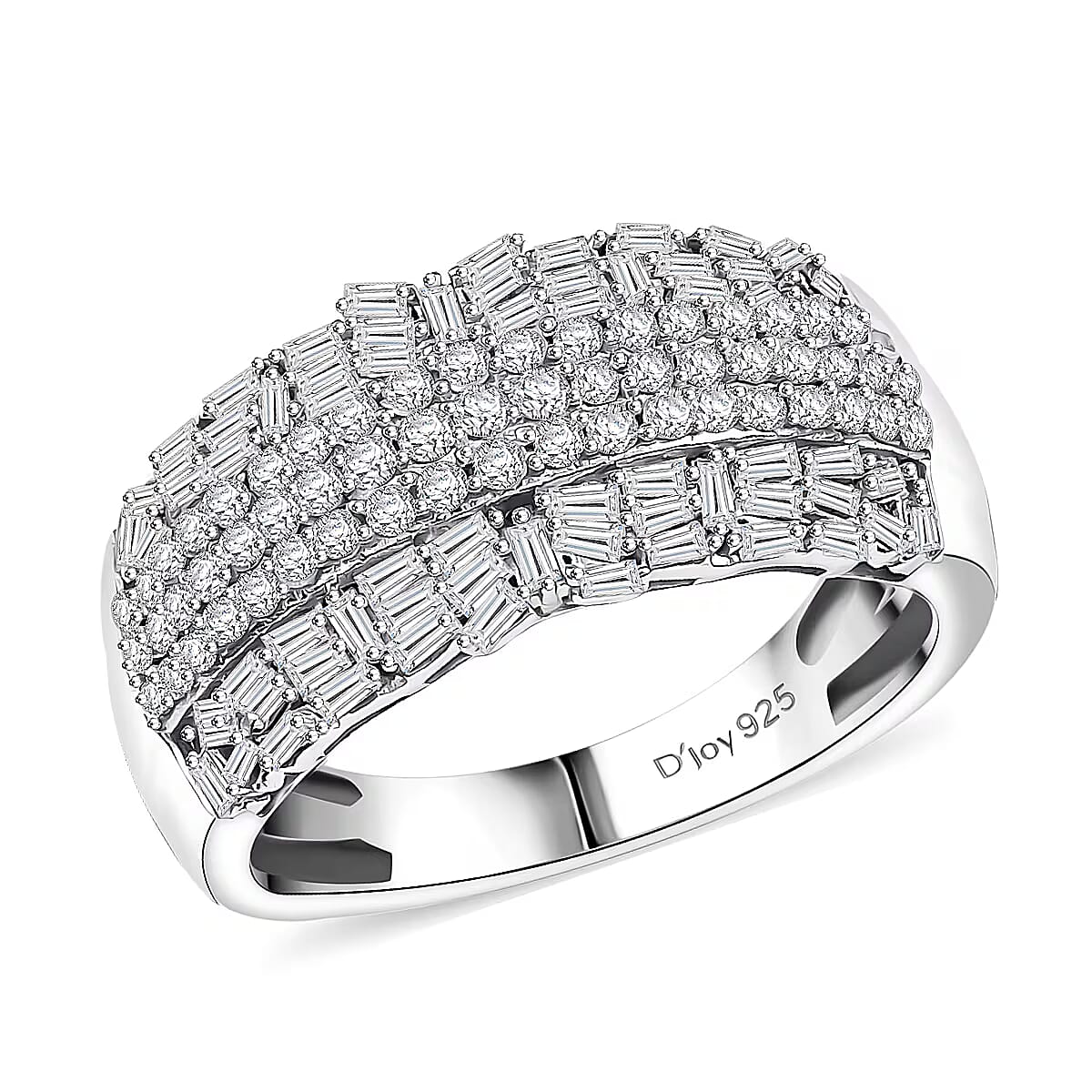
D'Joy Elysian Opal Triplet and Multi Gemstone Aurora Bloom Ring
This ring showcases diamonds in a starlight pattern that highlights their natural sparkle under light. The white diamonds fall in the near-colorless range on the grading scale, making them look bright and clear without any obvious tint. Pair it with white metal settings to keep the icy appearance strong. Buyers often choose this grade for its balance of quality and appeal in everyday jewelry.
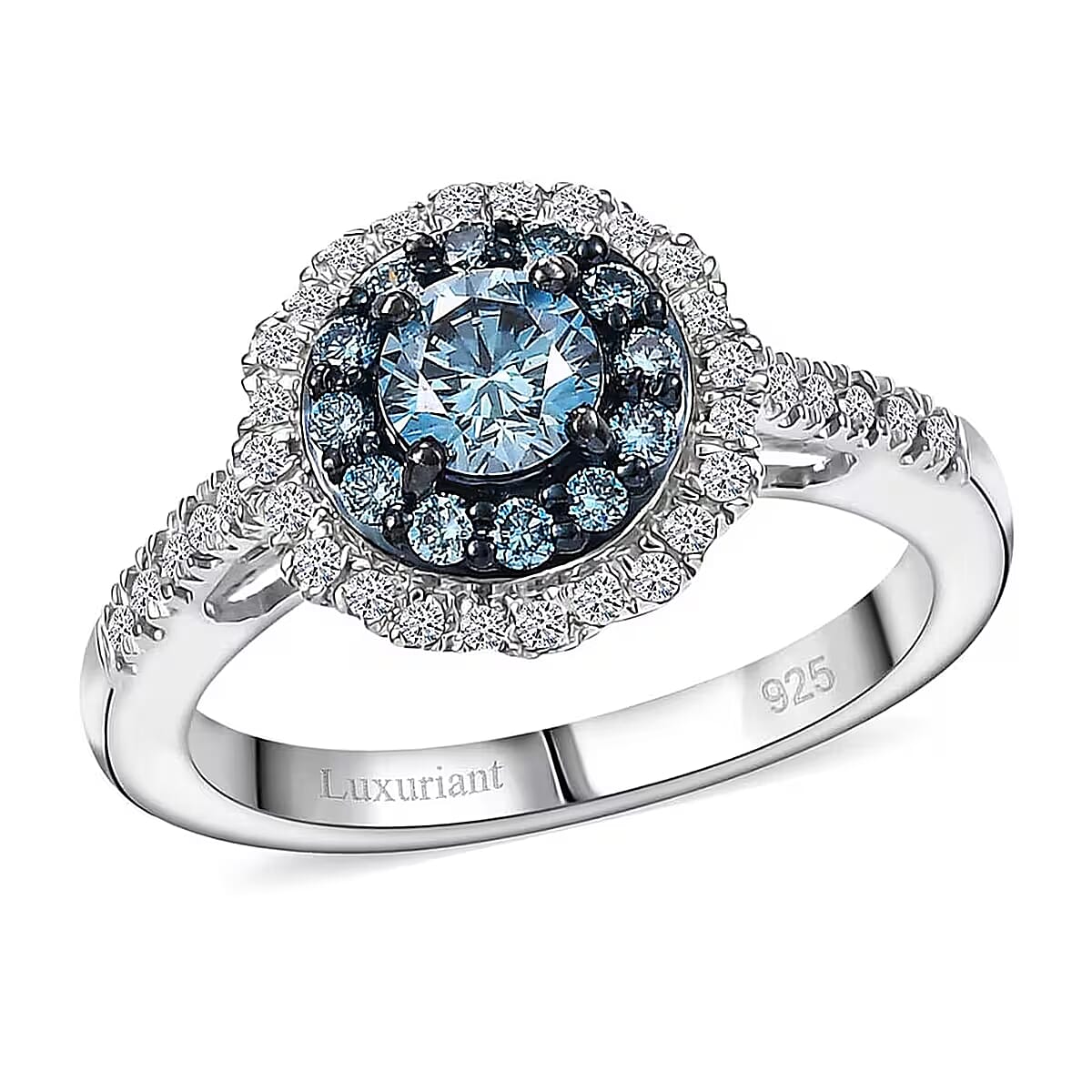
Luxuriant Lab Grown Blue Diamond (IR) and Lab Grown White Diamond SI 1.00 ctw Floral Ring in Rhodium Over Sterling Silver
Let romance blossom with this stunning lab grown diamond floral ring, set in sterling silver. Its captivating halo design blooms with elegance, making every moment special. Perfectly crafted, this sterling silver ring is an ethical choice that dazzles.
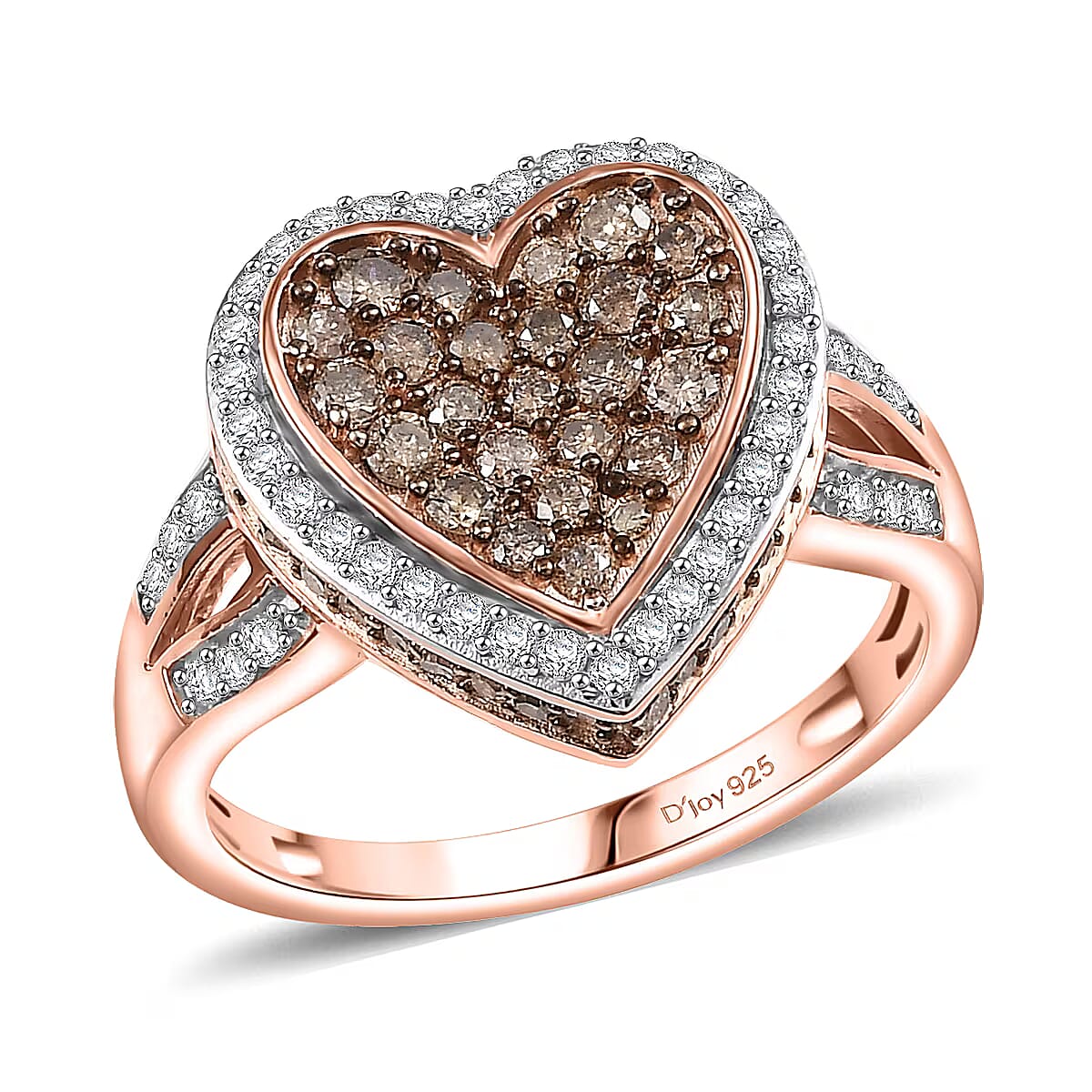
D'Joy Natural Champagne and White Diamond 1.00 ctw Romantic Heart Ring in 18k Vermeil Rose Gold over Sterling Silver
Champagne diamonds bring a warm, faint yellow tone similar to K-M on the scale, blending nicely with white diamonds for a romantic vibe. This heart design uses the color difference to add depth and interest to the piece. Rose gold enhances the champagne hue, making it perfect for vintage-inspired looks. Many pick this for its unique warmth that hides minor tints effectively.
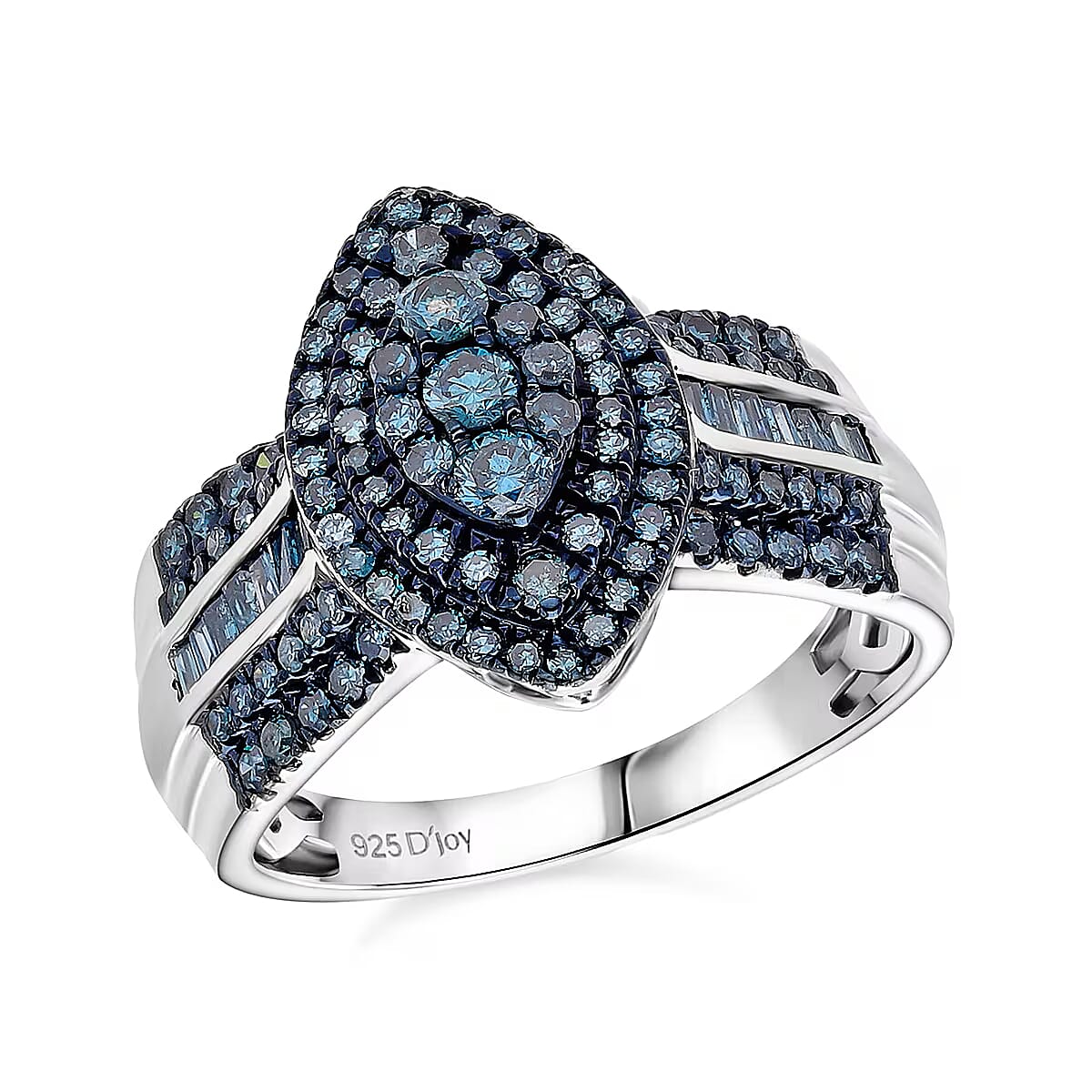
D'Joy Blue Diamond 1.00 ctw Marquise Silhouette Ring in Rhodium over Sterling Silver
These blue diamonds are fancy colored, evaluated on hue strength rather than the white diamond scale, offering a cool tone that stands out. The marquise shape amplifies the color's impact, creating a silhouette full of movement. Rhodium plating helps the blue pop against a neutral background. It's a great choice for adding personality to your collection with rare color appeal.
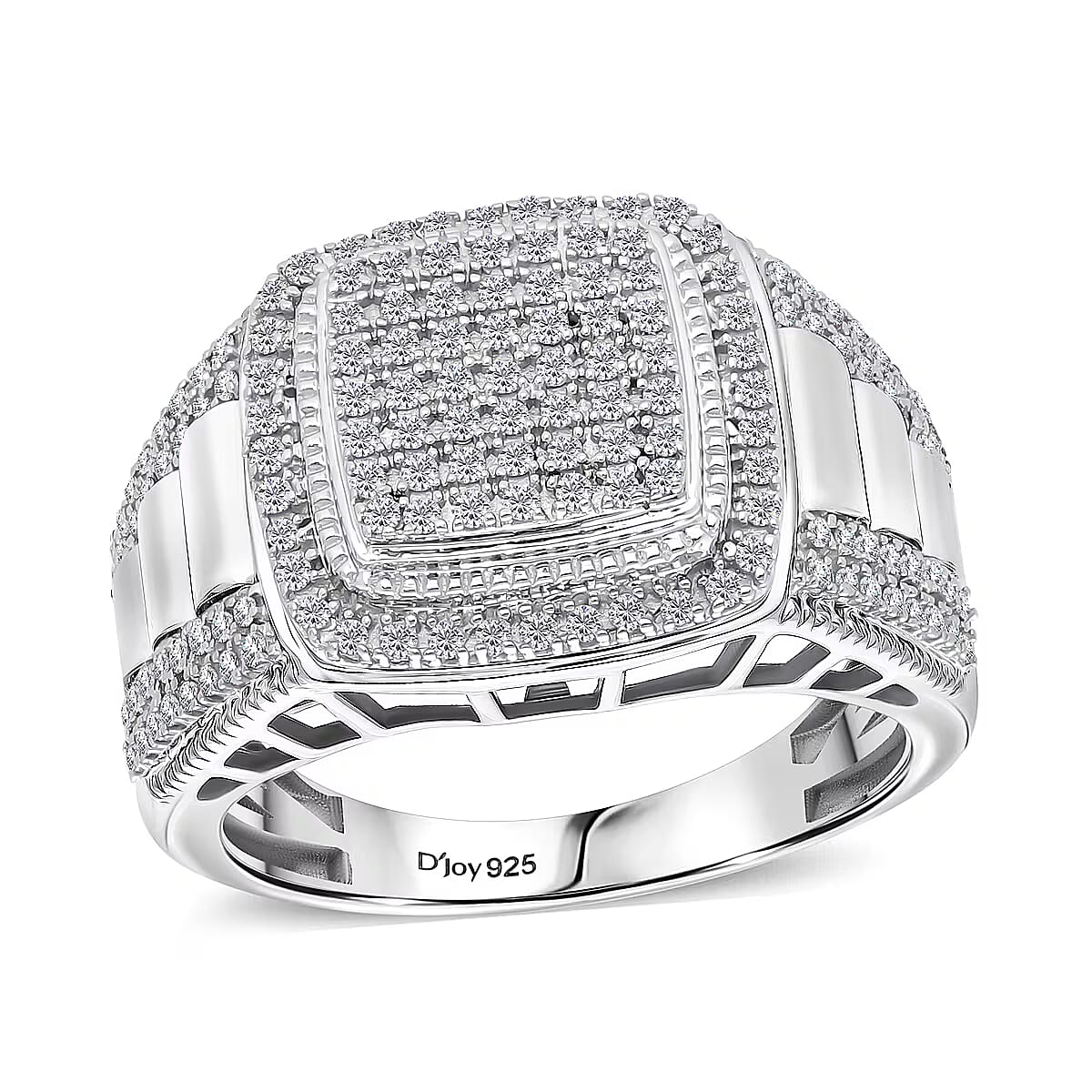
D’Joy Diamond 0.75 ctw Men's Ring in Rhodium Over Sterling Silver
This men's ring features white diamonds in the G-J near-colorless category, providing a clean look suitable for daily wear. The design keeps the focus on subtle sparkle without visible yellow hints. Rhodium over sterling silver complements the diamond color for a modern, masculine style. Guys often select this grade for its value in larger settings where color matters less.
How Do Fancy Colored Diamonds Fit into Grading?
- Grading Beyond Standard Scale: Fancy colored diamonds start after this Z grade on the white diamond scale, featuring strong hues like yellow, pink, or blue.
- Focus of Grading: Labs such as GIA evaluate them on color presence, including hue as the primary color, tone for how light or dark it appears, and saturation for color intensity.
- Grading Terms: The scale uses levels from faint to vivid, with full options like faint, very light, light, fancy light, fancy, fancy intense, fancy vivid, fancy deep, and fancy dark.
- Value Factors: Diamonds with stronger colors, especially fancy vivid, command higher prices, while reds, greens, and blues in medium to dark tones rank as the rarest.
- Natural Rarity: Only one in 10,000 cut diamonds shows natural fancy color, and intense versions occur in about one in 25,000.
- Price Trends: In 2025, fancy color diamond prices fell 0.3% in the first quarter and 0.5% in the second, but they've risen 205% overall since 2005, with reds often exceeding $1 million per carat.
- Lab-Grown Options: Lab-created fancy diamonds use the same grading system but sell for much less, capturing 20% of global diamond sales in 2025.
- Price Trends: At Shop LC, our champagne diamonds provide a warm, distinctive sparkle in jewelry; explore our colored diamond pieces for budget-friendly choices.
What Recent Trends Show in Diamond Color Preferences?
Buyers this year favor warm tones such as light yellow, champagne, and soft brown diamonds for their vintage feel. These shades bring a cozy, timeless charm to rings and other jewelry. Fancy colored diamonds face mixed prices, with an overall slight fall in the first quarter, pink staying steady, and yellow dropping a bit. Colored gemstones have surged in use for engagements, as people blend sapphires, emeralds, and rubies with diamonds for unique looks.
Lab-grown diamonds hold a big share of the market, mostly in near-colorless grades like G-J to keep costs low. This change lets folks grab high-color stones affordably. Sustainability pushes this, with many choosing lab over natural for eco reasons. Natural diamond imports have fallen, while colored gems have risen sharply since earlier years.
Custom pieces highlight fancy colors like vivid pinks, blues, and yellows, even though they stay rare and costly. Lab-grown versions in these hues, plus greens and purples, lead the pack for bold styles. GIA updated grading for lab-grown stones, switching to simpler Premium or Standard tags over the classic 4Cs. Shop LC keeps up with lab choices in our engagement rings, mixing current styles with great value. In general, tastes blend traditional white diamonds with vibrant colors for personal expression.
FAQs
Q. How Is Diamond Color Evaluated in a Lab?
A. Experts grade diamond color by viewing the stone upside down through its side to assess the body color accurately. This method helps isolate the true hue without interference from the facet reflections that occur when the diamond is right-side up. Master stones serve as reference points for comparison under controlled lighting conditions.
Q. What Role Does Diamond Shape Play in Color Perception?
A. Certain diamond shapes like radiant or cushion can mask color better due to their facet patterns, which disperse light in ways that minimize visible tints. Round brilliants often show color more prominently in the center because of their symmetry. When selecting fancy shape diamonds, buyers note how the outline influences overall appearance.
Q. How Do Treatments Impact Diamond Color Grading?
A. High-pressure high-temperature treatments can alter a diamond's color by removing brownish tints, resulting in a higher grade on the scale. Irradiation combined with annealing creates fancy colors not naturally present in the stone. These processes require disclosure on certificates to maintain transparency in grading.
Q. What Distinguishes Body Color from Overtone in Fancy Diamonds?
A. Body color refers to the primary hue throughout the diamond, while overtone describes secondary shades that appear on the surface. In grading, the dominant body color sets the base, with overtones adding complexity to the description. This nuance applies especially to fancy colored diamonds beyond the standard scale.
Q. How Does the Pavilion Influence Diamond Color Appearance?
A. The pavilion, or bottom part of the diamond, acts as a mirror for light, and its depth can concentrate color if too deep or wash it out if shallow. Proper proportions ensure even color distribution across the stone. In diamond rings, this facet structure enhances the overall visual effect.
Q. What Are Master Stones Used For in Color Grading?
A. Master stones are calibrated diamonds representing the boundary of each color grade, used as benchmarks during evaluation. They ensure consistency across different labs and graders. These references help in precise placement on the diamond color scale.
Q. How Has Diamond Color Grading Evolved Historically?
A. Early grading relied on subjective terms before standardized systems emerged in the mid-20th century. Advances include better lighting and tools for more objective assessments. Recent refinements focus on subtle distinctions in the diamond grading scale for accuracy.
Q. What Effect Does Cut Quality Have on Visible Color?
A. A well-cut diamond returns more light, which can make slight tints less noticeable by increasing brilliance. Poor cuts allow color to pool in areas, amplifying any yellow or brown hues. This interaction ranks high among the 4Cs in diamond evaluation.
Q. How Do Various Light Sources Alter Diamond Color Perception?
A. Daylight reveals true diamond color best, while incandescent light warms up tones, making them appear more yellow. Fluorescent lighting can enhance blue hues or fluorescence in some stones. Viewing under multiple sources provides a complete understanding of the diamond color chart.
Q. What Considerations Apply to Color in Lab-Grown Versus Natural Diamonds?
A. Lab-grown diamonds undergo the same color grading process as natural ones, but their controlled creation often yields consistent higher grades. Impurities differ, with lab stones sometimes showing metallic inclusions affecting hue. Certificates detail these aspects for both types.