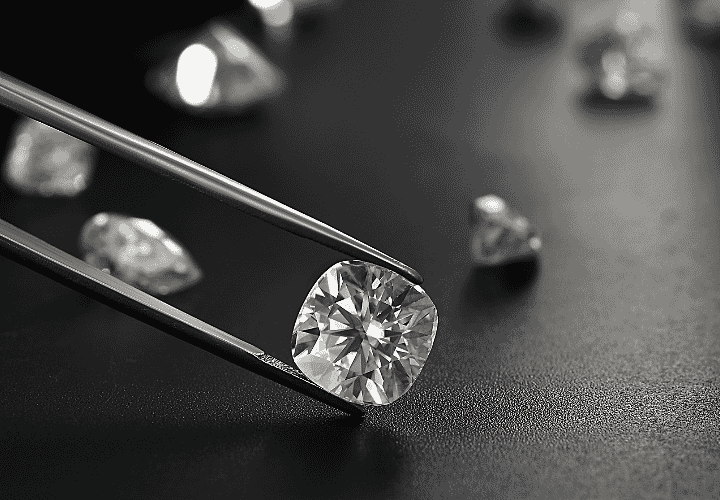
LOOSE LAB GROWN DIAMOND: A GUIDE TO CUT, SHAPE & CLARITY
A loose lab grown diamond has become a preferred choice for modern buyers seeking beauty, value, and flexibility. Unlike pre-set stones, it is sold independently, letting you select the exact specifications before choosing a setting. Created in advanced laboratories, these diamonds replicate the natural growth process, resulting in the same chemical composition, sparkle, and durability as mined stones. This guide covers everything you need to know, including diamond cut, shape, clarity, pricing, rising popularity, and where to buy online confidently.
TABLE OF CONTENTS
Overview
What is a Loose Lab Grown Diamond?
A loose lab grown diamond is a diamond that has been created in a controlled laboratory environment and sold without being mounted in a ring or jewelry setting. The term “loose” simply means the stone is not pre-set, allowing buyers to examine its cut, clarity, color, and carat weight before choosing a design. This gives shoppers more control compared to ready-made jewelry.
Many people ask, are loose lab grown diamonds real diamonds? The answer is yes. A loose lab grown diamond has the same physical, chemical, and optical properties as a mined diamond. It is made from crystallized carbon and offers the same hardness, brilliance, and fire. The only difference lies in its origin—formed in a lab instead of deep within the earth.
Buyers often prefer a loose lab grown diamond because it offers flexibility and transparency. Selecting the stone first makes it easier to customize engagement rings, pendants, or earrings while staying within budget and personal style preferences.
Formation
How Are Lab Grown Diamonds Made?
Understanding how a loose lab grown diamond is created helps buyers feel confident in their purchase. Lab grown diamonds are produced using advanced technology that replicates the natural conditions under which diamonds form beneath the earth’s surface. There are two primary methods used today: HPHT (High Pressure High Temperature) and CVD (Chemical Vapor Deposition).
The HPHT process mimics the intense heat and pressure found deep within the planet. A small diamond seed is placed inside carbon and exposed to extreme pressure and temperatures, allowing a crystal to grow around it. The CVD method takes a different approach. In this process, a diamond seed is placed in a sealed chamber filled with carbon-rich gas. When heated, the gas breaks down, and carbon atoms slowly attach to the seed, forming a diamond layer by layer.
The growth timeline for a loose lab grown diamond can range from a few weeks to over a month, depending on size and quality. To verify authenticity, most stones come with certification from recognized gemological labs. Many also feature microscopic laser inscriptions on the girdle that match the grading report, offering an added layer of assurance for buyers.
Selection
How to Choose the Right Loose Lab Grown Diamond?
Selecting the right loose lab grown diamond starts with setting a clear budget. Knowing how much you want to spend helps narrow down carat weight and quality options. Next, consider shape preference. Round remains classic, but fancy shapes offer personality and can appear larger per carat.
Cut should be a top priority since it directly affects brilliance. Many buyers look for an eye-clean clarity grade to balance beauty and cost. Reviewing certification ensures your loose lab grown diamond meets recognized grading standards.
Think about the intended setting as well. A solitaire may highlight sparkle, while a halo can enhance perceived size. Finally, consider long-term value and personal meaning. Choosing among loose lab diamonds with care ensures your loose grown diamond fits both your style and your expectations for years to come.
POPULAR
Why Are Loose Lab Grown Diamonds Becoming Popular?
A loose lab grown diamond is gaining attention for reasons that go well beyond price. Today’s buyers want transparency, value, and responsible sourcing, and lab-created stones meet those expectations. One of the biggest drivers of demand is affordability. In many cases, a loose lab grown diamond costs 30–50% less than a comparable mined diamond, allowing shoppers to choose a larger or higher-quality stone within the same budget.
Ethical sourcing also plays a major role. Because these lab made diamonds are produced in controlled facilities, buyers can avoid concerns related to traditional mining practices. Environmental considerations matter as well. While every manufacturing process has an impact, laboratory production generally reduces large-scale land disruption associated with mining.
Another reason a loose lab grown diamond is becoming popular is flexibility. Buyers can prioritize size, sparkle, or clarity without stretching their finances. This appeals strongly to Millennials and Gen Z consumers, who often research extensively before making a purchase and prefer modern, sustainable alternatives. Social media influence and shifting engagement ring trends have further accelerated interest, making lab grown diamonds a mainstream choice rather than a niche option.
BUDGET FRIENDLY
How Much Do Loose Lab Grown Diamonds Cost?
The price of a loose lab grown diamond depends on several factors, but it is generally more affordable than a mined stone of similar quality. On average, prices can range from a few hundred dollars for smaller carat weights to several thousand for larger, high-grade stones. For example, a one-carat diamond created in a lab often costs significantly less than its natural counterpart, sometimes 30–50% lower depending on cut, clarity, and color.
Carat weight plays a major role in determining cost. As the size increases, the price per carat typically rises. However, buyers often find they can choose a larger loose lab grown diamond within the same budget compared to a mined option. The 4Cs—cut, color, clarity, and carat—still influence overall value, just as they do with natural diamonds.
When it comes to resale, expectations should be realistic. Like most jewelry purchases, diamonds are primarily sentimental investments rather than financial ones. Market demand and brand reputation can affect future value. For shoppers focused on beauty, size, and smart budgeting, lab-created stones offer strong overall value without compromising brilliance.
Fundamentals
Understanding the 4Cs of Loose Lab Grown Diamonds
When shopping for a loose lab grown diamond, the 4Cs—cut, shape, clarity, and color—determine how the stone looks and how it is priced. Whether you are comparing loose lab diamonds for an engagement ring or selecting a loose grown diamond for a custom pendant, understanding these factors helps you balance beauty and budget. Each element plays a distinct role in the overall appearance of a loose lab grown diamond, and knowing what to prioritize can make your purchase more satisfying.
A. Diamond Cut – The Sparkle Factor
Cut is often considered the most important factor in any loose lab grown diamond because it directly affects brilliance. The way a diamond is proportioned and polished determines how light enters and reflects back to the eye. Grades typically range from Excellent to Very Good and Good. An Excellent cut maximizes light return, creating strong sparkle and fire.
Many buyers wonder whether they should choose a better cut or higher clarity first. In most cases, prioritizing cut delivers the most visible impact. Even among loose lab diamonds with similar clarity grades, a superior cut will appear more lively and bright. A well-cut loose grown diamond can also make inclusions less noticeable, enhancing overall beauty without stretching your budget.
B. Diamond Shape – Style & Personality
Shape refers to the outward form of a loose lab grown diamond and plays a major role in personal style. Round remains the most popular option, especially for engagement rings, because of its unmatched brilliance and timeless appeal. However, many buyers explore other shapes to express individuality.
Oval diamonds offer a flattering elongated look and can appear larger than their actual carat weight. Cushion shapes combine soft edges with vintage charm. Emerald and Asscher cuts emphasize clean lines and step-cut facets, creating a hall-of-mirrors effect. Princess cuts deliver modern sharpness, while radiant shapes blend sparkle with trimmed corners. Pear and marquise diamonds create length on the finger, and heart shapes make a bold romantic statement.
Shape trends often shift with fashion, but personal preference matters most. The right loose lab grown diamond shape can influence how large the stone appears and how it complements the setting. When selecting among loose lab diamonds, consider finger shape, ring style, and whether you prefer classic or contemporary design. A carefully chosen loose grown diamond can elevate even the simplest setting.
C. Diamond Clarity – Inside the Stone
Clarity measures the presence of internal inclusions or surface blemishes in a loose lab grown diamond. Grading typically follows a scale from Flawless (FL) to Included (I3). Most inclusions are microscopic and invisible without magnification. In loose lab diamonds, clarity characteristics may include small crystals or growth patterns formed during the creation process.
Buyers often ask whether a higher clarity grade is always better. While higher grades command higher prices, many stones in the VS or SI range appear eye-clean, meaning imperfections are not visible to the naked eye. Choosing an eye-clean loose grown diamond can offer excellent value while maintaining beauty.
When comparing options, review the grading report and, if possible, examine the stone under proper lighting. A balanced approach to clarity ensures your loose lab grown diamond looks stunning without exceeding your budget.
D. Diamond Color
Color evaluates how white or colorless a loose lab grown diamond appears. The traditional grading scale runs from D (colorless) to Z (noticeable tint). Many shoppers prefer near-colorless grades, which offer a bright appearance at a more accessible price than the highest color tiers.
Some loose lab diamonds are also available in fancy hues, including yellow, pink, or blue, created during the growth process. Whether you prefer classic white or a unique shade, understanding color grades helps you select a loose grown diamond that aligns with your style and setting choice.
Difference
Lab Grown vs Natural Diamonds
When comparing a loose lab grown diamond to a natural diamond, the primary difference lies in origin. Natural diamonds form deep within the earth over billions of years, while a loose lab grown diamond is created in a controlled environment using advanced technology. Despite the different beginnings, both share the same chemical composition, crystal structure, and durability.
Price is another major distinction. Loose lab diamonds typically cost significantly less than mined stones of similar size and quality. This allows buyers to choose a larger or higher-grade loose grown diamond without increasing their budget. For many shoppers, that balance of size and value makes lab-created options especially appealing.
Environmental impact also factors into the decision. Traditional mining can involve extensive land disruption, while laboratory production generally requires fewer natural resources.
Some consumers compare diamonds to moissanite or other simulants. While moissanite may look similar at first glance, it has a different composition and refractive properties. A loose lab grown diamond offers the same hardness and brilliance as a natural diamond, whereas simulants differ in sparkle and long-term durability. In terms of authenticity and overall value, lab-created diamonds remain true diamonds in every sense.
Grading
Certification & Grading
Certification plays an essential role when purchasing a loose lab grown diamond. Reputable gemological laboratories evaluate and grade these stones using the same standards applied to natural diamonds. Independent organizations such as the International Gemological Institute (IGI) and the Gemological Institute of America (GIA) issue detailed grading reports that outline cut, color, clarity, carat weight, and other identifying characteristics.
Each loose lab grown diamond with proper certification includes a report number that often corresponds to a microscopic laser inscription on the stone’s girdle. This added detail allows buyers to match the physical diamond to its official documentation, providing confidence in authenticity and quality.
Grading reports also make comparison shopping easier. When reviewing loose lab diamonds, certification ensures that the information provided is accurate and unbiased. Whether selecting a loose grown diamond for an engagement ring or custom jewelry piece, certification protects your investment and supports informed decision-making.
Advantages
Customization & Buying Benefits
One of the biggest advantages of choosing a loose lab grown diamond is the freedom to design jewelry that reflects your personal style. Because the stone is purchased separately, you can select a setting that complements its cut and shape perfectly. Many buyers create custom engagement rings by pairing a carefully chosen diamond with a solitaire, halo, or vintage-inspired mounting. This approach allows every detail—from metal type to prong style—to be tailored to your vision.
Beyond rings, a loose lab grown diamond can also be set into pendants or crafted into matching earrings. Stud earrings featuring well-matched stones remain a timeless choice, while a single diamond pendant offers understated elegance. Starting with the loose stone ensures better coordination in size and quality across pieces.
Insurance is another important consideration. Once your loose lab grown diamond is set, it can typically be insured through a homeowner’s policy rider or a specialized jewelry insurer. An appraisal, often based on the grading report and current market value, is usually required. Proper documentation and coverage provide peace of mind, protecting your purchase against loss, theft, or damage.
Availability
Where Can I Buy Loose Lab Grown Diamonds Online?
If you’re wondering where to buy a loose lab grown diamond online, start by choosing a retailer that offers transparency and detailed product information. A trustworthy seller should clearly list pricing, carat weight, cut grade, color, and clarity for every stone. High-resolution images or videos are also helpful when comparing loose lab diamonds side by side.
Certification is another key factor. Make sure each loose lab grown diamond is backed by an independent grading report so you can verify quality and authenticity. Clear return policies and customer support options add an extra layer of confidence, especially when making a significant purchase online.
ShopLC is a trusted destination for buyers seeking value and reliability. The platform offers a wide selection of loose lab diamonds in various shapes and sizes, making it easier to find a loose grown diamond that fits your budget and design goals. With verified stones, competitive pricing, and strong customer protection policies, ShopLC simplifies the online buying experience while maintaining quality standards.
Myths
Common Myths About Loose Lab Grown Diamonds
Despite growing demand, several misconceptions still surround a loose lab grown diamond. One of the most common myths is that these stones are “fake.” In reality, a loose lab grown diamond has the same chemical composition and crystal structure as a mined diamond. The only difference is its origin.
Another belief is that they don’t sparkle as much. Sparkle depends largely on cut quality, not where the diamond was formed. Well-cut loose lab diamonds display the same brilliance and fire as natural stones. Some shoppers also assume they have no value. While resale markets vary, a loose grown diamond still carries intrinsic worth based on its 4Cs and certification.
Durability is another concern. Diamonds created in laboratories rank the same on the Mohs hardness scale as mined diamonds, making them suitable for everyday wear. Understanding the facts helps buyers make informed decisions without being influenced by outdated assumptions.
Conclusion
Final Thoughts: Is a Loose Lab Grown Diamond Right for You?
Choosing a loose lab grown diamond comes down to what matters most to you. If you value flexibility, transparency, and smart pricing, this option offers clear advantages. A loose lab grown diamond allows you to compare quality factors carefully before committing to a setting, giving you greater control over the final design. From carat weight to cut precision, every detail can be selected with intention.
The value proposition is hard to ignore. Many buyers appreciate being able to purchase a larger or higher-grade stone without exceeding their budget. Loose lab diamonds also appeal to those seeking a modern alternative that aligns with evolving preferences around sourcing and sustainability.
Customization is another major benefit. Whether you envision a classic solitaire, a vintage-inspired halo, or a sleek pendant, starting with a loose grown diamond makes personalization easier.
If you’re ready to explore certified stones, competitive pricing, and a wide selection, ShopLC offers a trusted destination to find the perfect loose lab grown diamond for your next meaningful piece.