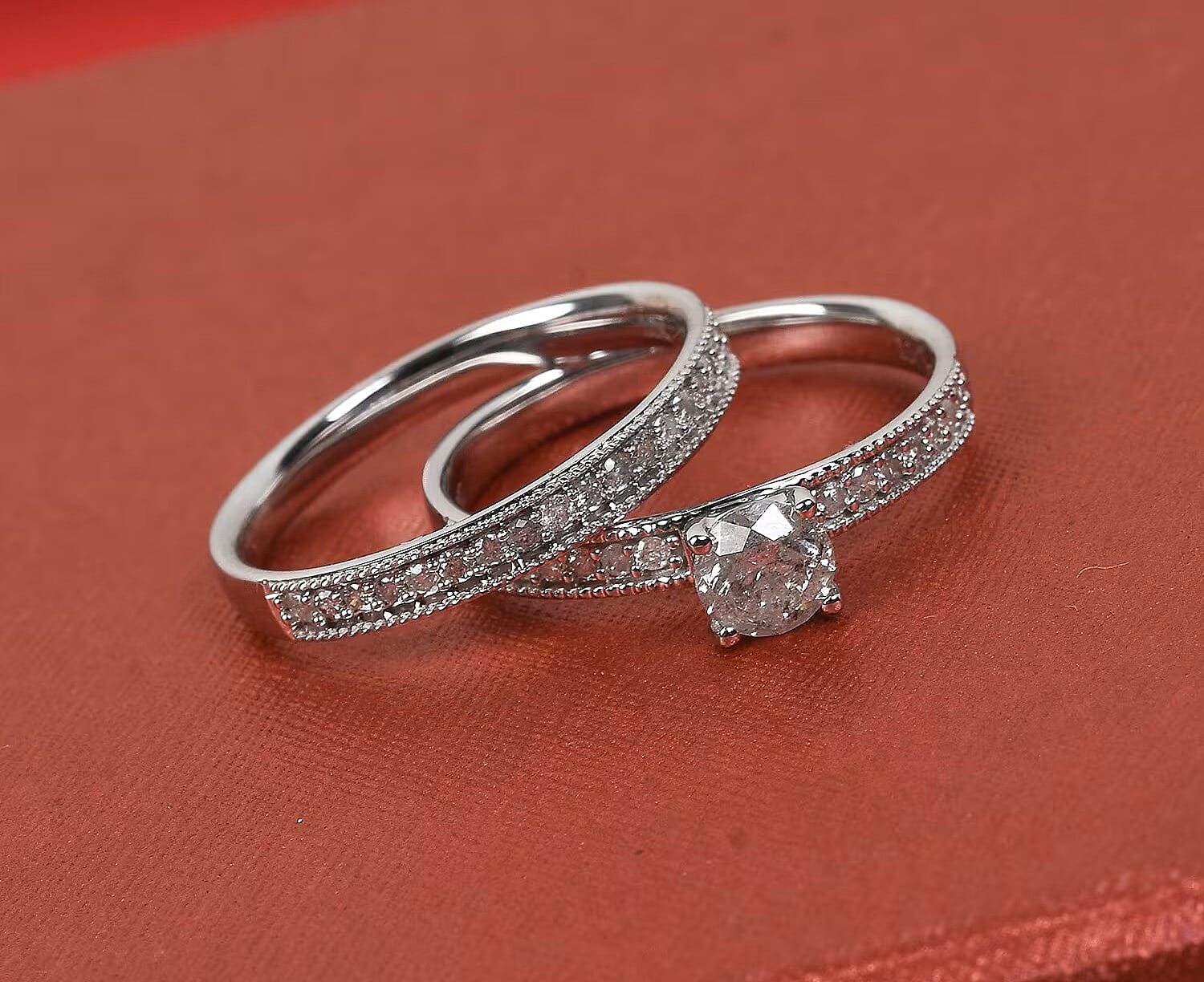
A BEGINNER'S GUIDE TO DIAMOND SHAPES FOR ENGAGEMENT RINGS
When you begin shopping for an engagement ring, understanding diamond shapes can make the process much simpler. Shape affects how a diamond sparkles, how large it looks, and how it sits on your hand. From classic round to elegant oval, cushion, and pear styles, each shape creates a unique impression. This guide will walk you through the most popular styles, help you compare different diamond cuts, and make it easier to see what suits you best. It will help you move forward with clarity and confidence.
TABLE OF CONTENTS
OVERVIEW
Understanding Diamond Shapes for Engagement Rings
Diamond shape refers to the stone’s outer outline when viewed from the top. It is one of the most important design elements in an engagement ring because it affects the ring’s overall style, finger coverage, and visual presence. A round diamond feels timeless and balanced, while a pear or oval shape can look more graceful and elongated.
Shape also affects how a ring complements the wearer’s hand. Elongated diamonds often make fingers look slimmer and longer, while rounder or squarer shapes can create a more centered and classic look. This is one reason why diamond shapes for engagement rings matter so much in the buying process. The same carat weight can look very different depending on the shape.
The same carat weight can look very different depending on the shape. Another reason that shape matters are emotional preference. Some people want a ring that feels traditional and elegant. Others want a style that stands out and feels unique. Choosing the right shape helps create a ring that feels more personal, not just beautiful.
VALUE
Diamond Shape vs Diamond Cut
Many buyers confuse shapes and cuts, but they are not exactly the same. Shape refers to the diamond's outer form, such as round, oval, pear, or radiant. Cut refers to how well the diamond facets are arranged to reflect light. In simple words, shape is the outline, while cut is the craftsmanship behind the sparkle.
This is important because shoppers often search for different diamond cuts when they are actually comparing shapes. In common buying language, the terms are often used interchangeably. Still, understanding the difference can help you shop smarter. First, choose the shape you love, then make sure the cut is strong enough to bring out its beauty.
A well-cut diamond will look brighter, livelier, and more balanced. Even a popular shape can appear dull or uneven if the cut quality is poor. So, while the shape creates the pattern, the cut reflects your aura and style statement.
Discover Budget-Friendly Lab Diamond Engagement Rings
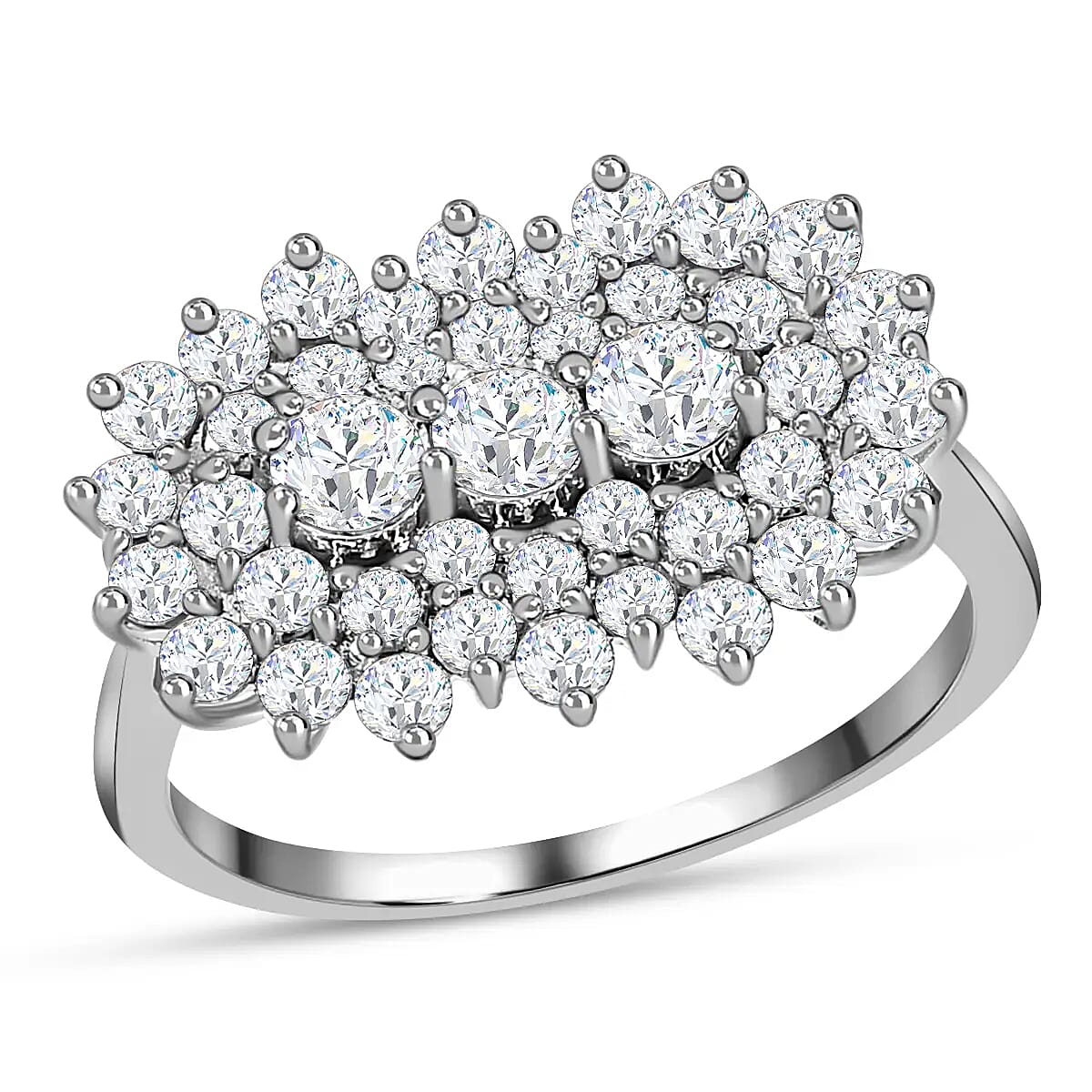
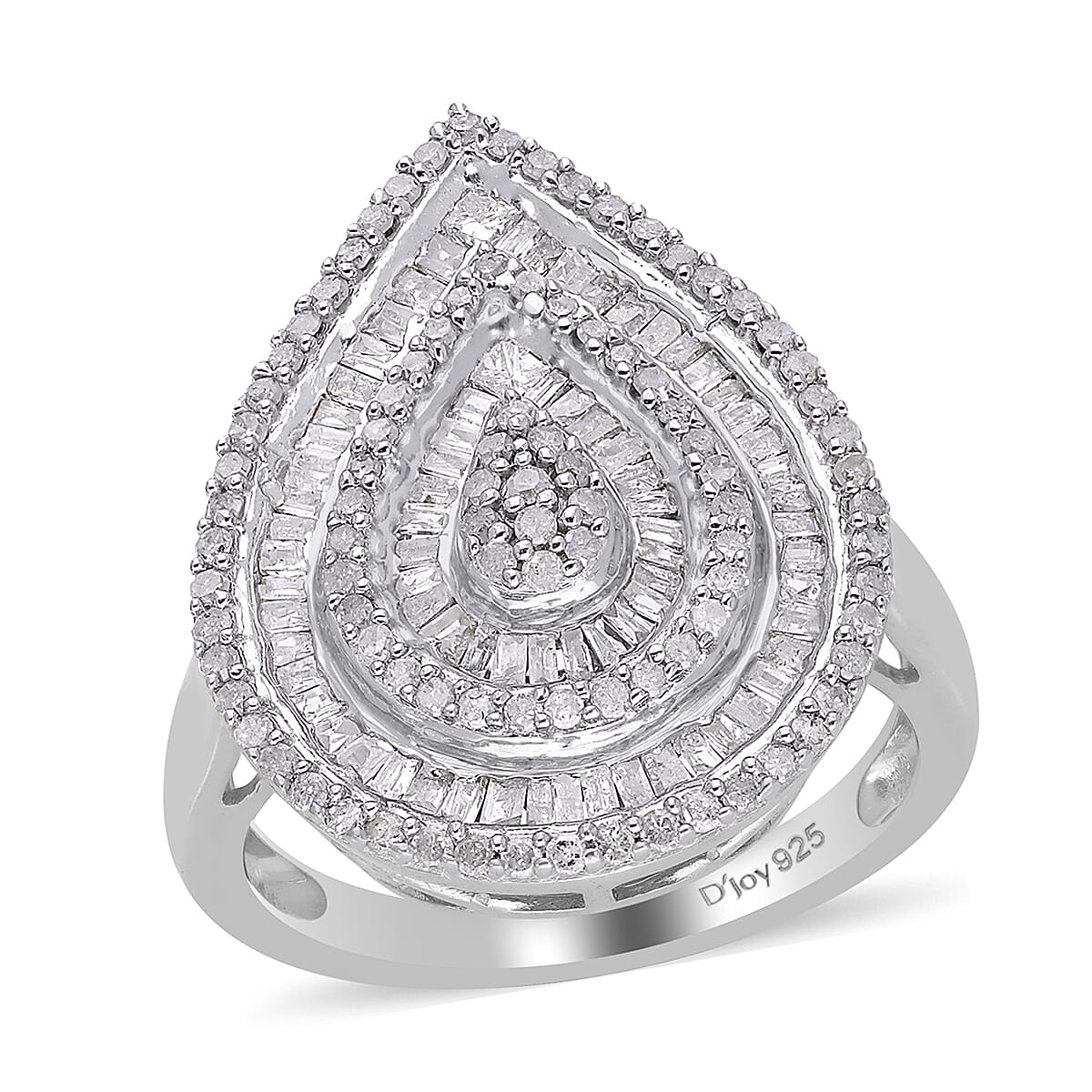

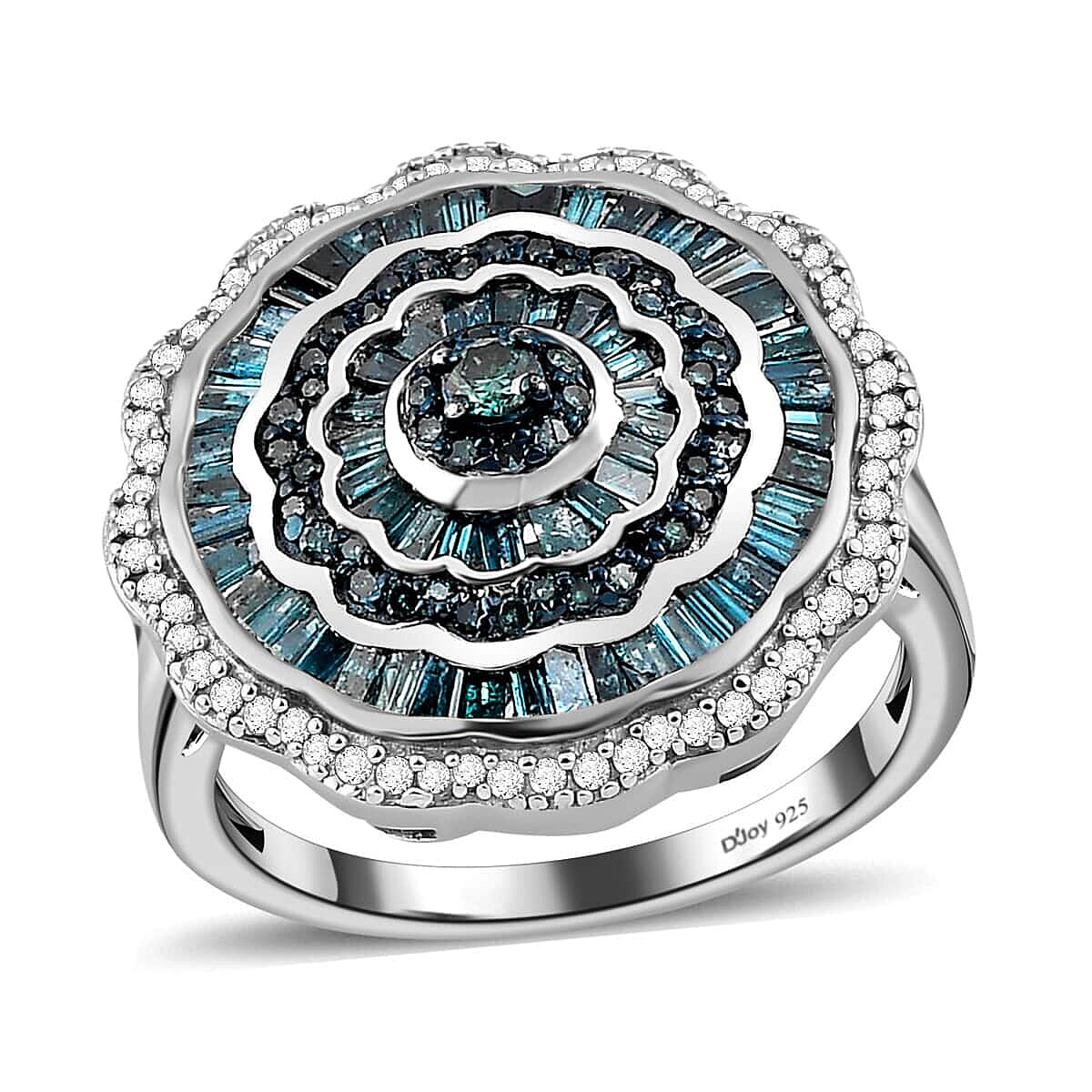

Popular Shapes
Most Popular Diamond Shapes for Engagement Rings
- Round Brilliant: The round brilliant is one of the most beloved diamond shapes for engagement rings. It's well known for its bright sparkle, balanced proportions, and timeless appeal. It is well-suited for those who want a diamond ring that offers classic appeal with a brilliant presence.
- Oval: Oval diamonds are well known for their soft, elegant look, which feels both graceful and modern. These appear larger than round diamonds of the same carat weight and create a flattering, elongated effect on the finger, making them a popular choice for buyers who want to sparkle with a fresh, refined feel.
- Pear Shaped: A pear-shaped diamond ring combines the brilliance of a round stone with the drama of a pointed tip. It feels graceful, feminine, and distinctive. Pear shapes can also make fingers look longer and often appear larger than some other diamonds of equal carat weight.
- Cushion: Cushion diamonds are known for their softened corners and romantic appearance. They can feel vintage-inspired, luxurious, and soft. Some have larger flashes of brilliance, while others show a crushed-ice sparkle pattern.
- Radiant: Radiant diamonds combine a square or rectangular outline with a brilliant cut sparkle. They are bright, lively, and bold, making them a strong choice for buyers who want a modern diamond along with a strong visual energy.
- Emerald: Emerald-cut diamonds have a refined and graceful look. Rather than intense sparkle, they reflect light in long, mirror-like flashes through their step-cut facets. This shape is ideal for buyers who prefer clean lines, quiet elegance, and a more sophisticated style.
- Princess: Princess-cut diamonds are square with a brilliant-cut arrangement of facets. They offer strong sparkle with a modern shape and are often chosen by buyers who want something structured yet classic.
- Marquise: Marquise diamonds have pointed ends and a long center, giving them a dramatic and regal appearance. They often look larger than their carat weight and provide strong finger coverage.
Perception
What Shape Diamond Looks the Biggest?
A lot of buyers wonder, what shape of diamond looks the biggest when comparing rings? Usually, longer diamonds tend to give that effect more easily than round ones of the same carat weight. Marquise, oval, and pear shapes are often perceived as larger because their shapes cover more of the finger and give the diamond a larger visual presence.
The marquise shape is one that many buyers notice when they want a diamond with a strong visual presence. Its long outline and pointed tips help it cover more of the finger, which can make it look larger than some other shapes. Oval and pear shapes create a similar effect while also giving the ring a softer, more elegant feel. In some cases, emerald and radiant cuts can also appear quite large, especially when their proportions allow more of the surface to show.
Round diamonds, while highly brilliant, usually appear smaller than fancy shapes of the same weight because more of their weight is distributed in depth. So, if visual size matters most, elongated diamond shapes for engagement rings can be a smart choice.
Cut quality still plays an important role. A deeply cut diamond may hide its weight where you cannot see it. So even if a shape is known to look larger, balanced proportions are essential for the best effect.
Buying Tips
Pear-Shaped Diamond Ring Buying Guide
A pear-shaped diamond ring is one of the most graceful choices in engagement jewelry, but it requires careful evaluation. Symmetry is one of the most important things to check. Both sides of the diamond should look even, and the point should align properly with the rounded end. If the shape appears uneven, the ring may not look balanced.
Another key point is the bow-tie effect. Pear diamonds can show a dark shadow across the center, similar to ovals and marquise stones. A slight bow tie is normal, but if it is too dark, it can reduce the stone’s beauty. Buyers should also consider the length-to-width ratio, as some prefer a fuller pear while others like a more elongated look.
Because of its pointed tip, a pear diamond also needs protection. A V-prong setting is often used to guard the tip from damage. With the right proportions and setting, a pear-shaped diamond ring can look elegant, flattering, and highly distinctive.
Occasions
Pear-Shaped Diamond Band for Engagements & Anniversaries
A pear-shaped diamond eternity band offers a romantic and eye-catching alternative to more traditional band styles. It can work beautifully as an engagement ring, an anniversary ring, or a stacking piece. The shape gives the band a softer and more artistic appearance than the evergreen timeless round or princess-cut eternity bands.
While buying a pear-shaped eternity band, the layout matters the most. Pear diamonds can be arranged in one repeating direction or in alternating patterns. Each style creates a different visual flow. Buyers should also consider comfort, especially since eternity bands feature stones around the entire ring. If the tips are too exposed, they may snag more easily.
Sizing is especially important because full eternity bands are difficult to resize. Buyers should also consider whether the ring will be worn alone or paired with another band or solitaire. A well-designed pear-shaped eternity band can feel elegant and meaningful while also being suitable for daily wear.
Elongated Cushion vs Radiant
The comparison of elongated cushion vs radiant is common because both shapes offer a rectangular look with a strong visual presence. However, they create different moods and styles.
An elongated cushion has rounded corners and a softer outline. It feels romantic, gentle, and slightly vintage-inspired. Depending on the faceting style, it may show either chunky flashes or a softer crushed-ice sparkle. Buyers who want an elegant, classic feel often prefer elongated cushion-cut diamonds.
A radiant cut has straighter lines and sharper corners. It is designed for lively brilliance and often appears brighter and more energetic than a cushion. Radiant diamonds usually feel more modern and structured. Buyers who want crisp sparkle and bold visual impact often choose radiant.
So, when comparing an elongated cushion vs radiant, the decision usually comes down to style preference. Cushion feels soft and romantic, while radiant feels bold and bright. Both are beautiful, but each creates a different personality in an engagement ring.
Value
How Cut and Clarity Determine Value of Pear-Shaped Diamond?
Many buyers want to know how cut and clarity affect the value of a pear-shaped diamond ring. Both play an important role in how the diamond looks and feels overall. The cut defines the stone's beauty, its sparkle, symmetry, and graceful outline. When cut well, a pear-shaped diamond ring looks bright, balanced, and elegant. If the cut is poor, the diamond can look uneven, flat, or less flattering on the hand.
Clarity affects how clean the diamond looks. Since pear diamonds have an elongated shape, inclusions in visible areas can sometimes be easier to notice. Still, buyers do not always need the highest grade of clarity. An eye-clean diamond often offers better value than paying more for a difference that is difficult to see without magnification.
For most buyers, the best approach is balance. Prioritize a well-cut stone with attractive proportions, then choose a clarity grade that looks clean to the eye. This usually gives the best visual beauty for the budget.
Quality and Trust
Top Picks: Brands for Pear-Shaped Diamond Rings
When shopping for pear-shaped diamond rings, your focus should not be on brand name, but on craftsmanship, diamond transparency, and setting quality.
A great retailer should be able to help you out with important details, from diamond grade to setting style. For most shoppers, trust is built through transparent information, versatile design, great value, and consistent quality.
Final Words
Conclusion
Understanding diamond shapes for engagement rings can make buying much easier. Shape affects more than just how the diamond looks. It changes the sparkle, how big the stone seems, and how the ring looks on your hand. It also helps define the style you want whether classic, romantic, bold, or unique.
You might be drawn to a timeless round, love the elegant oval, or prefer a pear-shaped diamond for its soft, graceful shape. If you’re comparing an elongated cushion and radiant, think about which style feels more natural and fits your daily life. Once you understand shape, cut, and overall look, choosing the right ring becomes easier, more personal, and more fun.
FAQs
Q. What shape of diamond looks the biggest?
A. Marquise, oval, and pear diamonds often look larger than round diamonds of the same carat weight because they show more surface area.
Q. Can you recommend some top brands for pear-shaped diamond ring?
A. Choose jewelers known for transparent diamond details, good craftsmanship, reliable support, and well-balanced design rather than relying only on a brand name.
Q. What should I consider when buying a pear-shaped yellow diamond ring?
A. Focus on color intensity, color distribution, symmetry, cut quality, and a protective setting for the pointed tip. Yellow gold can enhance warmth, while white metal can create a stronger contrast.
Q. What should I consider when buying a pear-shaped diamond eternity band for an engagement or an anniversary?
A. Look at comfort, layout, setting security, ring size accuracy, and whether it will be worn alone or stacked with another ring.
Q. How does the cut and clarity affect the value of a pear-shaped diamond ring?
A. Cut affects brilliance and symmetry, while clarity affects visible cleanliness. A well-cut, eye-clean pear diamond often offers strong beauty and value.