

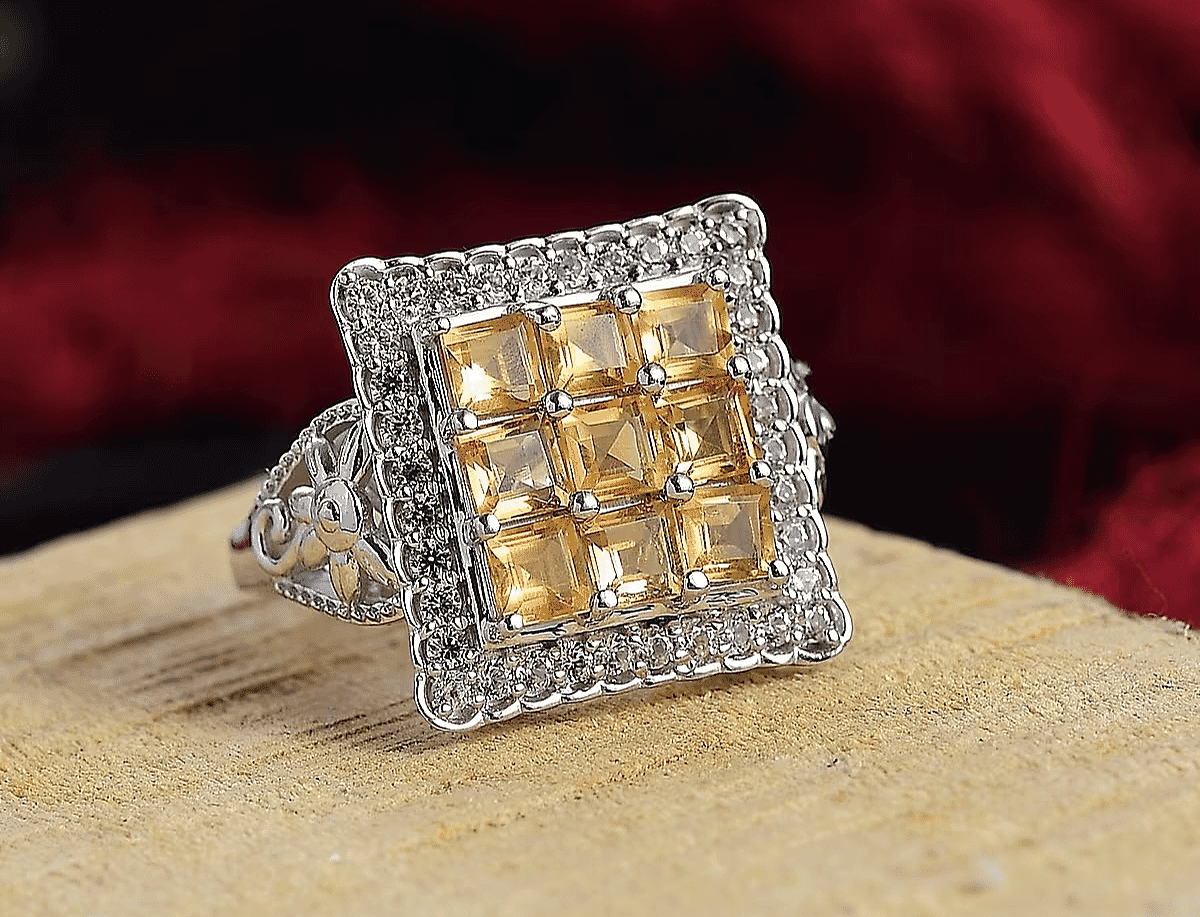
BRAZILIAN CITRINE GEMSTONE
Brazilian citrine is one of the most popular and affordable gemstones, admired for its warm golden to orange-yellow hues and brilliant clarity. Known as the most abundant source of citrine, Brazil produces stones that are highly valued for their rich color and durability. Whether set in rings, pendants, or earrings, Brazilian citrine adds a vibrant touch of sunshine to any jewelry design.
TABLE OF CONTENTS
IMPORTANCE
Why Is Brazilian Citrine So Important?
Brazilian citrine is highly prized for its striking color, clarity, and versatility. Citrine, in general, is associated with positivity, abundance, and energy. The Brazilian variety, in particular, stands out due to its availability and high quality, making it a go-to choice for jewelers and collectors alike. Brazil is the world's largest producer of citrine, and the stones sourced from this region are known for their exceptional color and clarity.
Citrine is also known as the "Merchant's Stone" because it is believed to attract wealth and success. This makes it a popular choice for those seeking prosperity and abundance in their lives.
VALUE
Determining Brazilian Citrine
The value of Brazilian citrine depends on various factors, including color, cut, clarity, and carat weight. Let's take a look at these factors in more detail:

COLOR
Color is one of the most important aspects of a gemstone's value. Brazilian citrine is known for its beautiful range of colors, from light yellow to deep orange. The most valuable Brazilian citrines exhibit a rich, golden hue with a slight orange or reddish tint, often called "Madeira" or "Santa Ana Madeira" citrine. While still attractive, lighter yellow citrines are generally less valuable than their deeper-hued counterparts.

Clarity
Clarity refers to the presence or absence of inclusions within the stone. High-quality Brazilian citrines typically have very few visible inclusions, making them highly transparent and valuable. Stones with obvious inclusions or cloudiness are less desirable.

Cut
The cut of a gemstone affects how well it reflects light and enhances its color. Brazilian citrine is often cut into various shapes such as round, oval, pear, and cushion to maximize its brilliance. A well-cut citrine will showcase its color and clarity, making it more appealing and valuable.

Carat
Carat weight plays a role in the value of any gemstone. Larger Brazilian citrines are rarer and thus more expensive, especially if they exhibit excellent color and clarity. However, small to medium-sized citrines are also popular and widely available.
Origin of Brazilian Citrine Gemstone
Brazilian citrine is primarily mined in Brazil, specifically in the regions of Minas Gerais, Rio Grande do Sul, and Bahia. Brazil is the leading supplier of high-quality citrine, accounting for a significant portion of the global supply. These regions are rich in quartz deposits, from which citrine is derived. While citrine can be found in other parts of the world, such as Spain and Madagascar, Brazilian citrine is renowned for its exceptional quality and color consistency. Brazilian citrine's warm, golden hues are highly desired in the gemstone market.
QUALITY GRADES
Different Grades of Brazilian Citrine
Brazilian citrines can be classified into different grades based on their color and clarity:
- AAA (Top Grade):
- AA (Fine Grade):
- A (Commercial Grade):
The highest quality with intense color and excellent clarity.
Slightly less intense in color but still very vibrant.
Slightly less intense in color but still very vibrant.
Storage
Caring For Brazilian Citrine
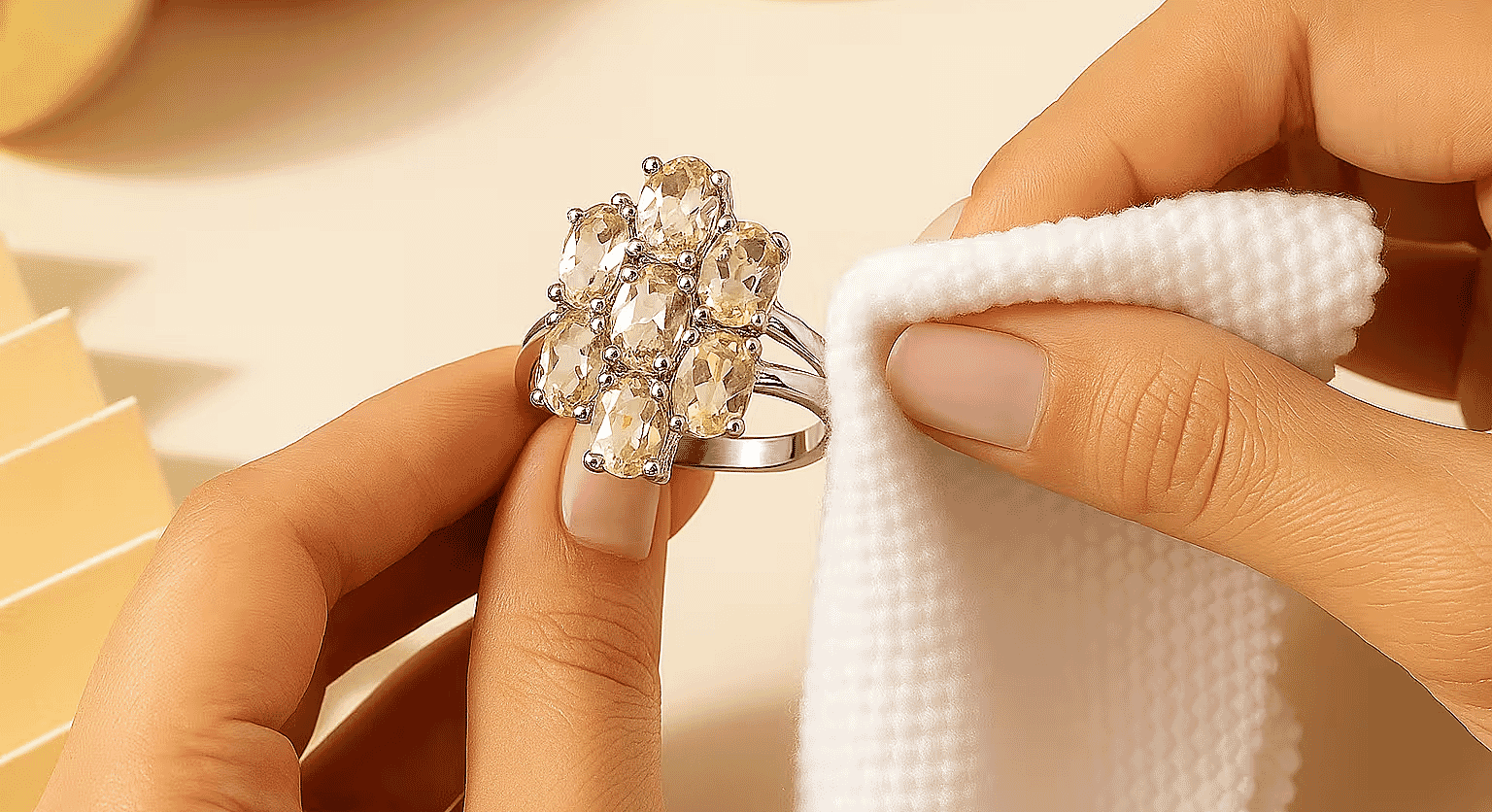
To maintain the beauty and longevity of your Brazilian citrine, follow these care guidelines:
-
Avoid Exposure to Heat and Sunlight
Extended exposure to heat or sunlight can cause the color of citrine to fade. Store your citrine jewelry in a cool, dark place when not in use.
-
Clean Regularly
Clean your citrine jewelry with warm, soapy water and a soft brush. Avoid harsh chemicals or ultrasonic cleaners, as they can damage the stone.
-
Handle with Care
Although citrine is relatively hard (7 on the Mohs scale), it can still chip or scratch if not handled carefully. Store your citrine jewelry separately from harder gemstones to avoid damage.
IDEAL CHOICE
Who Can Wear Brazilian Citrine?
Brazilian citrine is a versatile gemstone that anyone can wear. It is trendy among those seeking to enhance their power, creativity, and wealth. Citrine is associated with the solar plexus chakra, helping to boost confidence and personal strength. It's also the birthstone for November, making it a popular choice for those born that month.
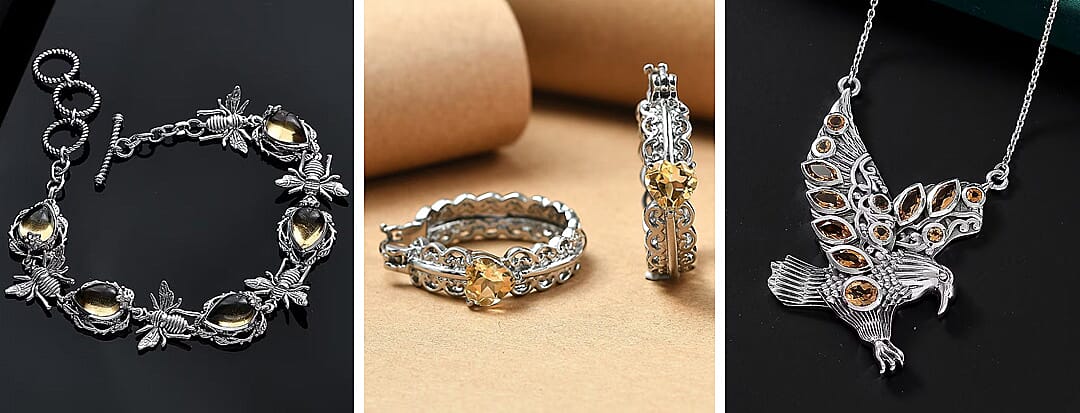
Difference
How Does Brazilian Citrine Compare to Other Gemstones?
-
Brazilian Citrine vs. Yellow Sapphire
Yellow sapphire is a harder gemstone (9 on the Mohs scale) than citrine (7), making it more durable. However, Brazilian citrine offers a similar vibrant yellow hue at a more affordable price.
-
Brazilian Citrine vs. Amber
Amber is an organic gemstone, much softer than citrine (2-2.5 on the Mohs scale), and typically has a more subdued yellow or brown color. Citrine is a better option for those seeking durability and brilliance.
-
Brazilian Citrine vs. Yellow or Orange Topaz
Yellow and orange topaz have similar hues to citrine, but topaz is harder (8 on the Mohs scale). Topaz is generally more expensive, while citrine offers a similar look at a more affordable price.
-
Brazilian Citrine vs. Heliodor
Heliodor, a variety of beryl, has a similar yellow hue to citrine but tends to be paler. It is also harder (7.5-8 on the Mohs scale) but rarer and more expensive.
-
Brazilian Citrine vs. Golden Beryl
Golden beryl, like heliodor, is pale yellow and harder than citrine. However, citrine offers a richer, more vibrant hue, making it a more popular choice for those seeking intense color.
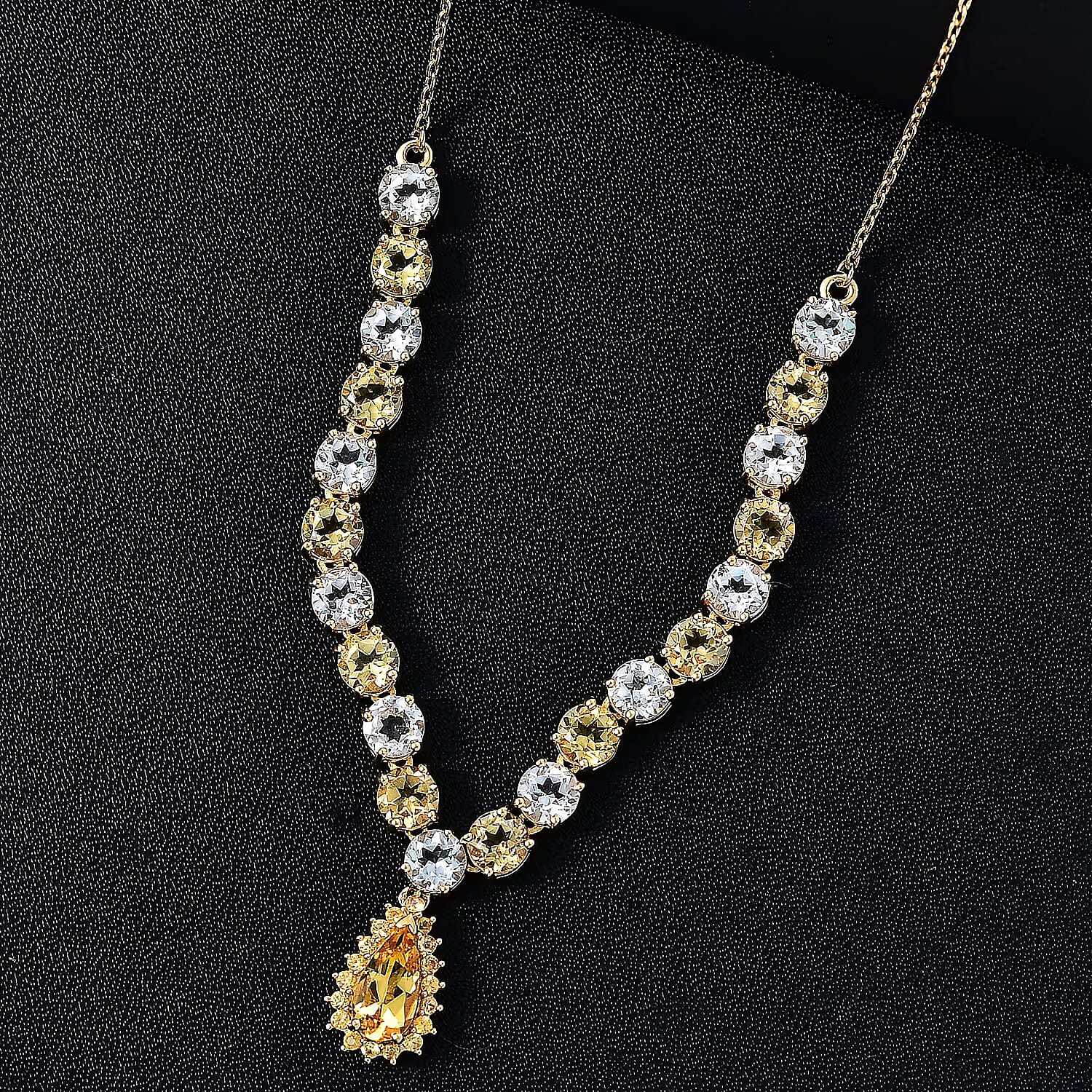
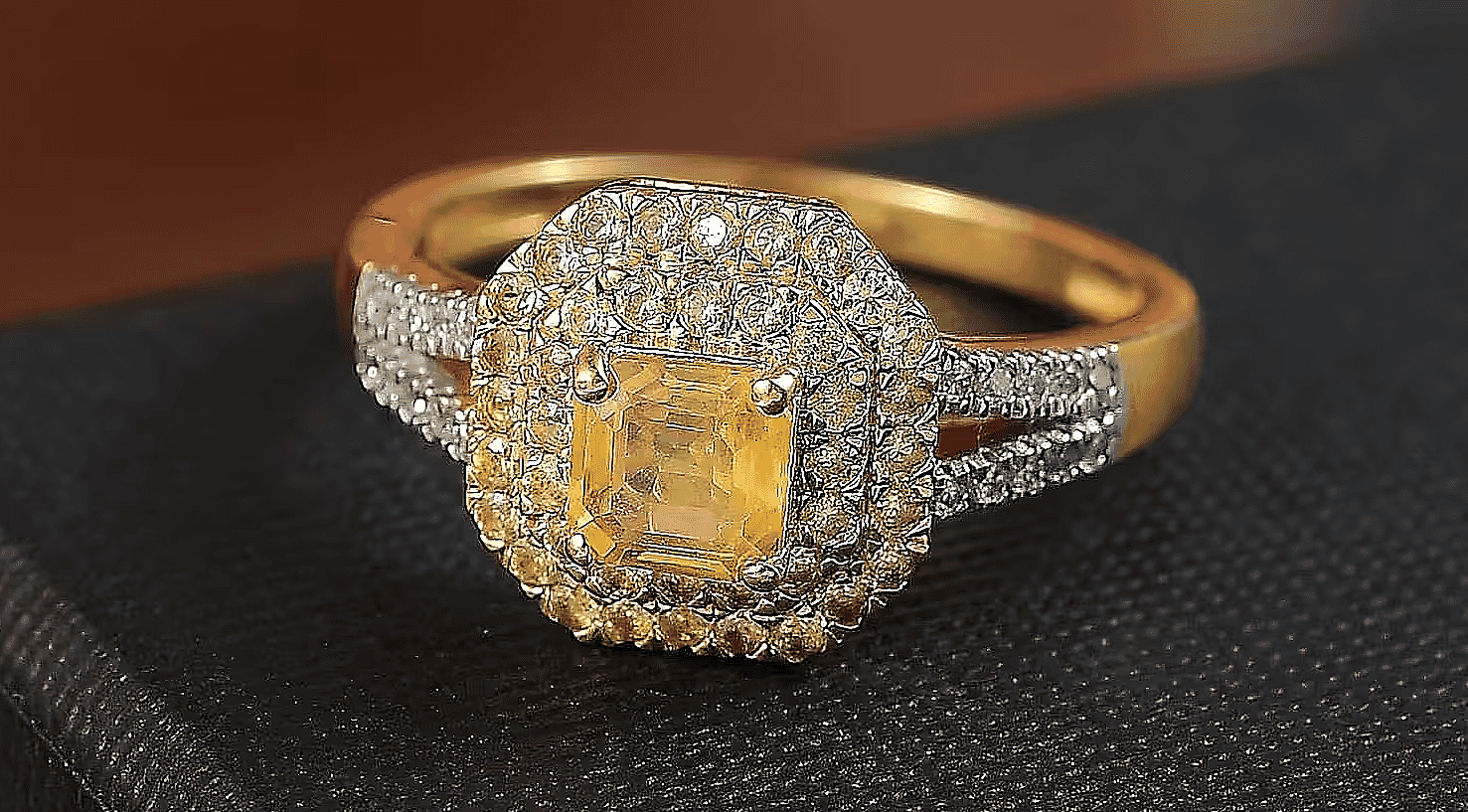
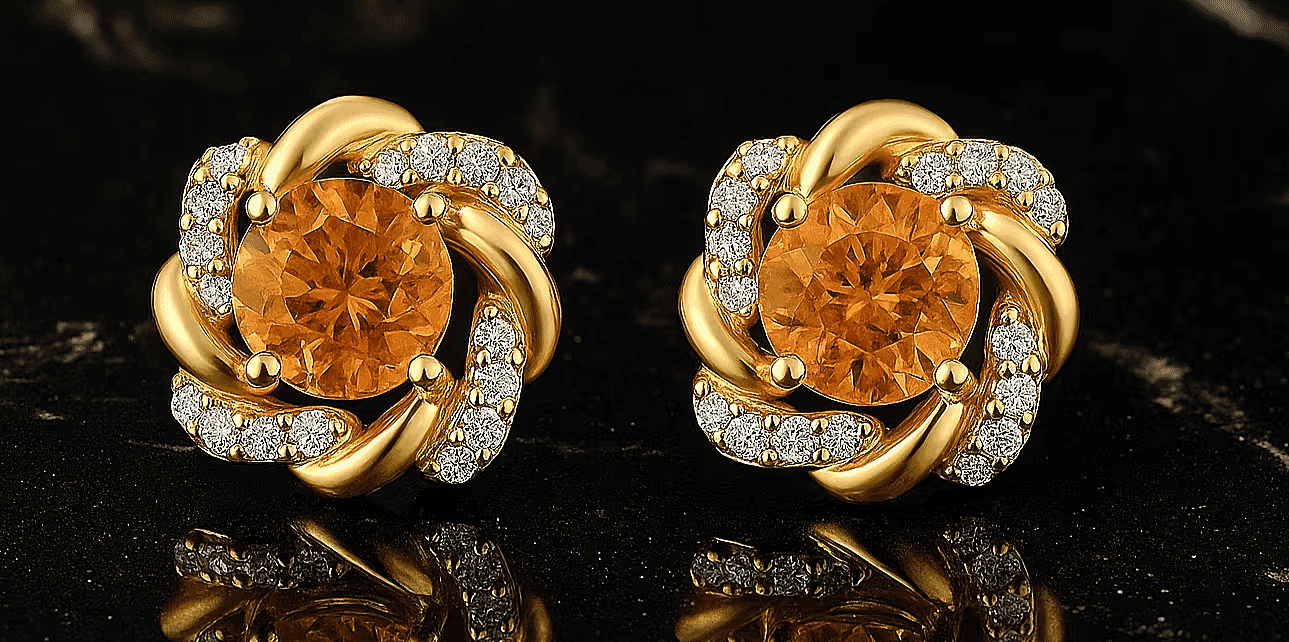
Properties
Brazilian Citrine Properties
-
Astrological Benefits of Brazilian Citrine Gemstone:
Brazilian citrine is said to enhance creativity, mental clarity, and wealth. It is associated with the zodiac signs of Scorpio and Sagittarius, and wearing citrine is believed to bring success and prosperity. Citrine is also connected to the solar plexus chakra, which governs personal power, self-confidence, and emotional balance.
-
November Month Gemstone Brazilian Citrine:
Citrine is the birthstone for November and symbolizes warmth, vitality, and abundance. It is a popular gift for November births and is said to bring joy, positivity, and good fortune.
-
Metaphysical Properties:
Brazilian citrine is believed to attract wealth and abundance, earning it the nickname "The Merchant's Stone." It is also thought to dispel negativity and promote optimism, making it a popular choice for those seeking emotional balance and success.
-
Brazilian Citrine Healing Properties:
Citrine is said to have numerous healing properties. It is believed to boost digestion, improve circulation, and increase energy levels. Emotionally, citrine is thought to dispel depression, promote self-confidence, and encourage a positive outlook on life.
SELECTION
How to Choose Brazilian Citrine?
When choosing a Brazilian citrine, consider the following factors:
Brazilian Citrine Color Guide
-
Deep Orange-Red
The most valuable and rare variety, often called "Madeira" citrine.
-
Golden Yellow
A rich, vibrant hue that is also highly prized.
-
Pale Yellow
More familiar and less expensive, but still beautiful and popular for everyday wear.
Other factors to consider include clarity (look for stones with minimal inclusions), cut (choose a shape that enhances the stone's brilliance), and carat weight (larger stones are rarer and more valuable).
TREATMENT
Brazilian Citrine Treatment
Most Brazilian citrine is heat-treated to enhance its color. Natural citrine is relatively rare, and much of the citrine on the market is actually heat-treated amethyst or smoky quartz. The heat treatment process alters the color, giving it the warm, golden hue that citrine is known for. It's important to note that heat treatment is a stable and widely accepted practice in the gemstone industry.
TYPES
Variety of Brazilian Citrine
Brazilian citrine comes in various hues and varieties, each with its unique appeal. Here are some notable types:
-
Brazilian Cherry Citrine
Known for its reddish-orange hue, Brazilian Cherry Citrine is a vibrant variety that stands out from typical yellow citrines. Its fiery appearance makes it highly sought after.
-
Santa Ana Madeira Citrine
This is one of the most coveted varieties of citrine. Santa Ana Madeira citrines, named after the wine-producing region of Madeira due to their deep, reddish-orange hue, are among the most valuable types of citrine.
-
Brazil Citrine
A general term for citrines sourced from Brazil, these stones vary in color from pale yellow to deep orange. The term encompasses several varieties, including Santa Ana Madeira and Brazilian Cherry citrine.
Brazilian Citrine Facts
MOHS HARDNESS
7
COLOR
Known for its rich, vibrant hues ranging from deep orange to reddish-brown.
TREATMENT
May undergo additional treatment to improve its brilliance.
ORIGINS
Primarily found in Brazil, especially in the state of Rio Grande do Sul .
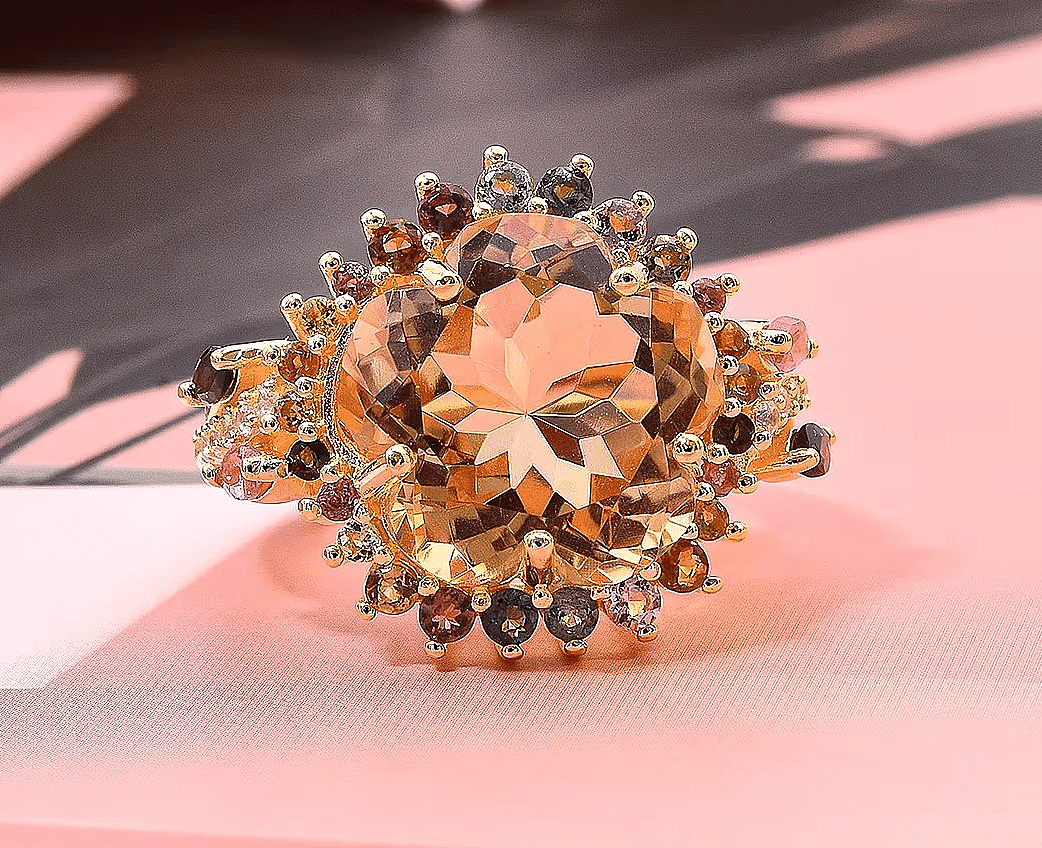
FAQs
Q. What is Brazilian Citrine?
A. Brazilian citrine is a variety of quartz known for its vibrant yellow to golden-orange hues. It is primarily sourced from Brazil, where some of the finest quality citrines are found.
Q. What makes Brazilian citrine different from other citrines?
A. Brazilian citrine is valued for its rich color and high clarity. It often exhibits a deeper golden hue than citrine from other locations, making it highly sought after in the jewelry market.
Q. How should Brazilian citrine be cared for?
A. To care for Brazilian Citrine, clean it with warm, soapy water and a soft cloth. Avoid prolonged exposure to sunlight, which can cause fading, and keep it away from harsh chemicals and extreme heat.
Q. Is Brazilian citrine a natural stone, or is it treated?
A. Most Brazilian Citrine on the market is heat-treated amethyst or smoky quartz, as natural citrine is rare. This treatment enhances the stone's yellow-to-golden color and is considered a permanent process.
Q. What are the metaphysical properties of Brazilian Citrine?
A. Brazilian citrine is believed to bring abundance, prosperity, and positive energy. It is also said to enhance creativity, boost confidence, and improve clarity of thought.


 View Cart