

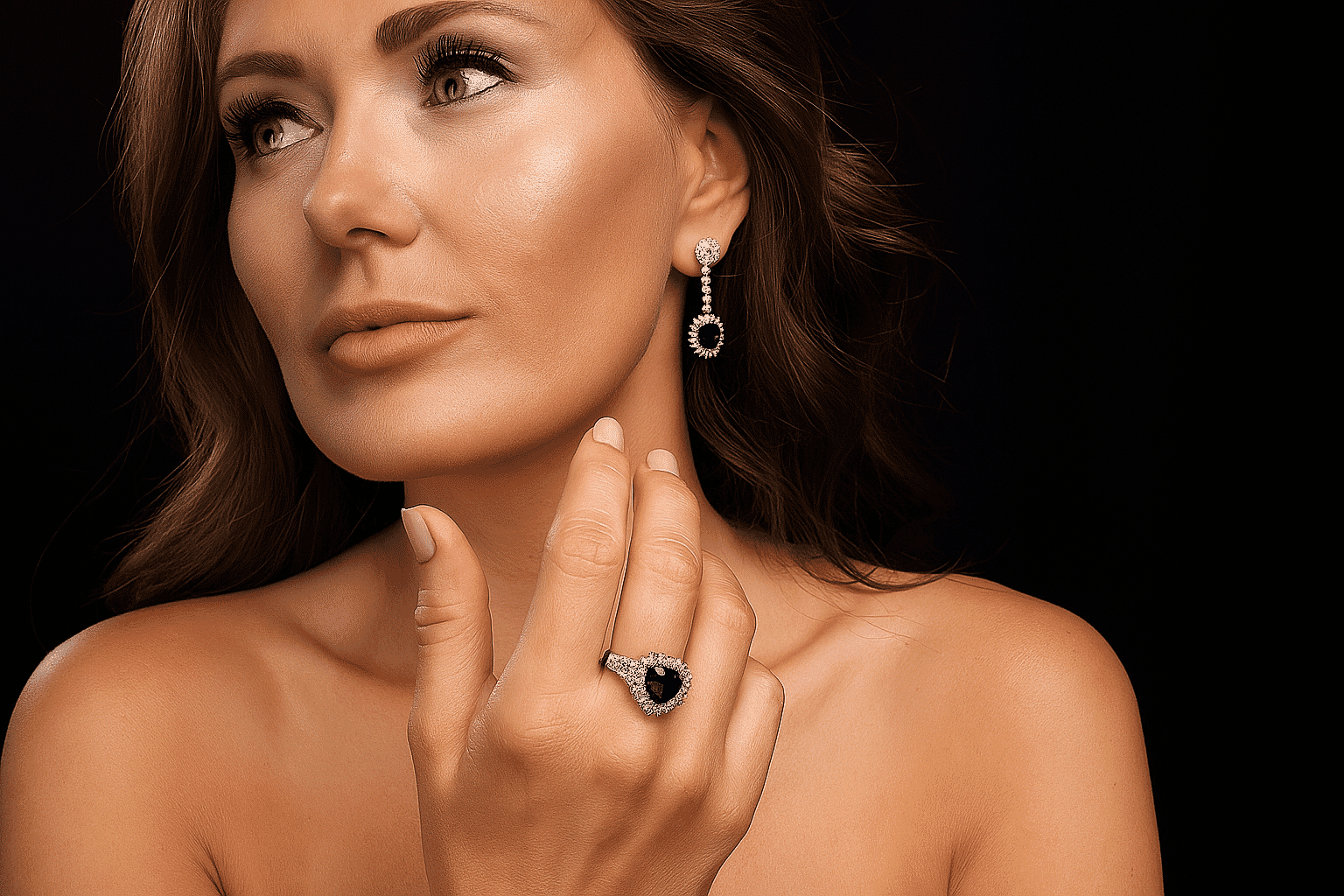
CEYLON BLUE SAPPHIRE
Treasured for centuries, the rich cornflower hue of Ceylon blue sapphire continues to captivate, both old and new. Once considered one of the five precious gemstones, sapphires have long been objects of desire. Sapphires occur throughout the world, but gems originating from Ceylon were considered the best concerning quality in antiquity.
TABLE OF CONTENTS
VALUE
Determining Ceylon Blue Sapphire Value
The value of colored stones is typically determined by a combination of its color, clarity, cut, and carat weight. This is no different when determining what Ceylon blue sapphire is worth. These guidelines will help you choose sapphire stones for your collection.

COLOR
Blue sapphires are widely known. Though, sapphire also occurs in a vast spectrum of other colors. Ceylon blue sapphire, however, is known for a particular blue hue, resembling the cornflower. Ranging from light to dark, these blue jewels represent what many consider to be the quintessential sapphire gemstone.

Clarity
Sapphires are known to possess a very good clarity, with view visible inclusions, if any. These transparent stones cleanly reflect light throughout the gemstone, illuminating the stone. Expect Ceylon blue sapphires to appear eye-clean, with few visible inclusions, if any are present at all.

Cut
Shop LC offers Ceylon blue sapphires in many of the popular calibrated shapes and sizes. Rounds will be the most common shape, as it's also the most popular. Ovals also enjoy a significant following. The shape is an excellent choice as it gives a larger gem's appearance without the associated cost of buying one.

Carat
Carat is a substantial determinant of ascertaining the value of the gemstone. Every increased carat weight adds more value to the gemstone. At Shop LC, the gemstone is available in sizes from 2 mm to 7x5 mm. The larger sizes that weigh more in this variety of sapphire are rare and command a higher value.
TREATMENT
Ceylon Blue Sapphire Treatment
Ceylon blue sapphire undergoes the most commonly accepted heat treatment. It includes gemstone's exposure to high temperatures for improved color and clarity. There are different varieties of sapphires that are widely accepted and appreciated for notable inclusion. But this coveted variety is famous for its eye-clean surface and is heat-treated for removing inclusions.
Storage
Caring for Ceylon Blue Sapphire
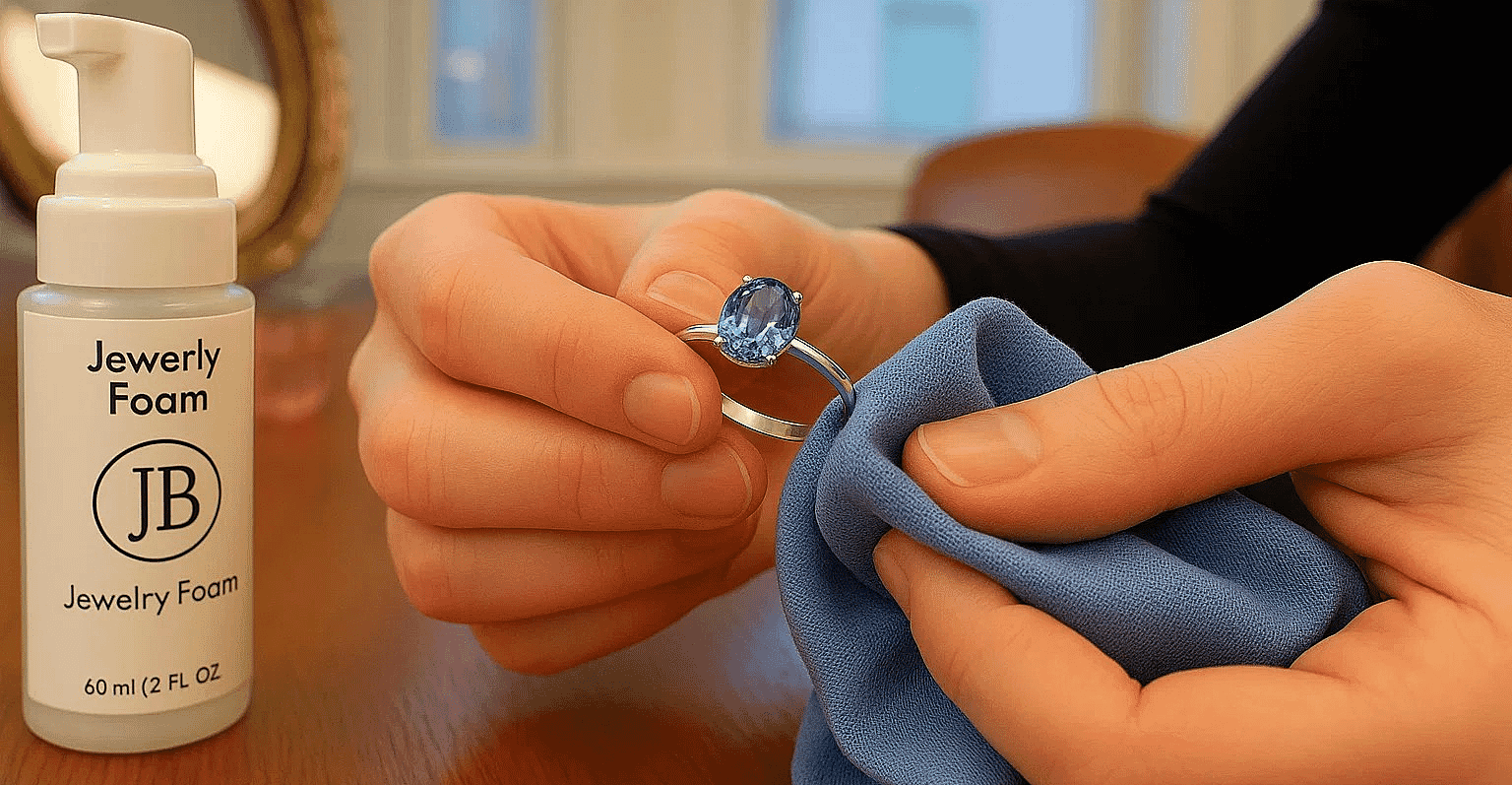
Ceylon blue sapphires are prized for their brilliance and durability, ranking 9 on the Mohs scale—just below diamonds. With proper care, they can retain their beauty for generations. However, they still require proper care:
-
Gentle Cleaning
Clean Ceylon sapphire jewelry with warm, soapy water and a soft brush. Avoid harsh chemicals and ultrasonic cleaners.
-
Safe Storage
Store Ceylon sapphires separately from other gemstones to prevent scratching.
-
Regular Checks
Regularly check the setting of your sapphire jewelry to ensure the gemstone is secure.
IDEAL CHOICE
Who Can Wear Ceylon Blue Sapphire?
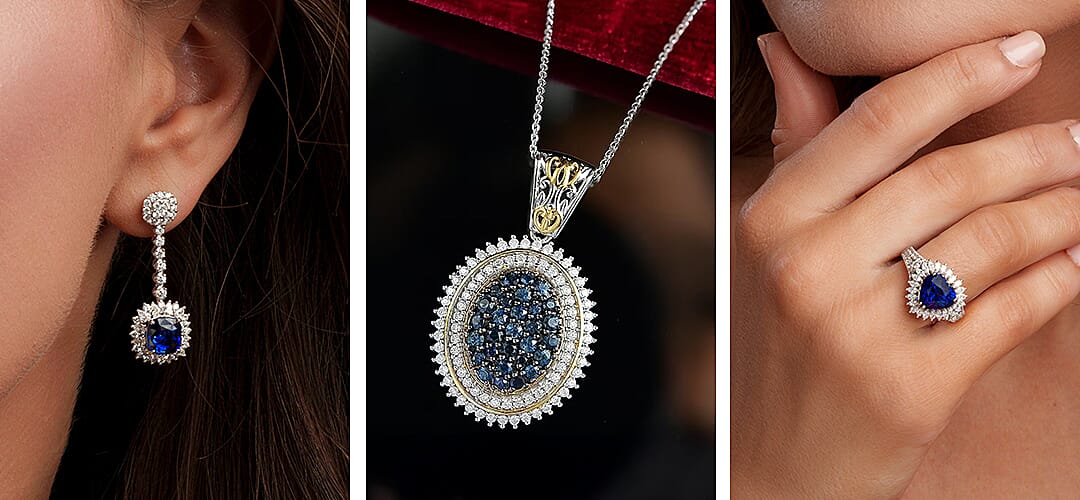
Sapphire is the birthstone for September, but its beauty transcends zodiac boundaries and birthdays. Anyone drawn to its deep blue hue or energy can wear it with confidence and grace. In Vedic astrology, blue sapphire (Neelam) is linked to Saturn and worn for strength and clarity. It's advised to consult an astrologer before wearing sapphire for specific astrological benefits or alignment. Ceylon blue sapphire enchants anyone who appreciates vivid color, elegance, and timeless sophistication. Its high hardness makes it ideal for both everyday wear and special occasion jewelry. Blue complements every season, making it a perfect year-round signature gemstone for your collection. Whether set in yellow, white, or rose gold, its rich hue remains effortlessly striking. Pair it with a black dress or formal outfit—its elegance speaks louder than words.
Difference
How Does Ceylon Blue Sapphire Compare to Other Blue Gemstones?
-
Lab-Created vs. Natural Sapphire
Lab-created blue sapphires are chemically and physically identical to natural Ceylon blue sapphires but are grown in controlled environments. They are more affordable and typically have fewer inclusions. Natural Ceylon sapphires, especially those with no treatment, are rarer and more valuable.
-
Ceylon Blue Sapphire vs. Tanzanite
Tanzanite is a new gemstone known for its vibrant blue-violet color. While stunning, tanzanite is softer and less durable than sapphire, making sapphire the better choice for everyday wear.
-
Ceylon Sapphire vs. Blue Topaz
Blue topaz is widely available and very affordable, with a bright, icy blue color. However, it lacks the depth and richness of a Ceylon sapphire. It's also softer (8 on the Mohs scale) and often treated to enhance its color.
-
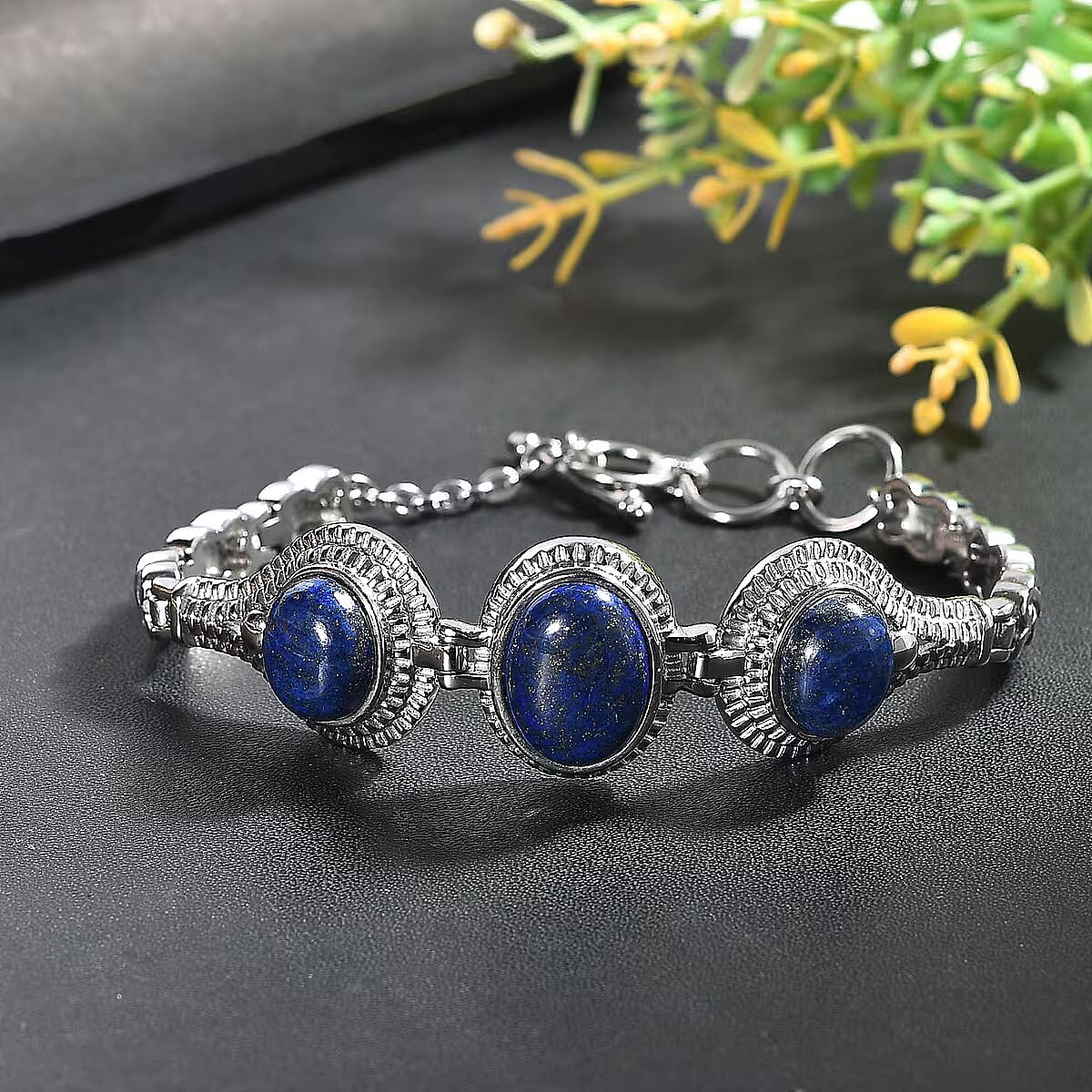
Ceylon Sapphire vs. Lapis Lazuli
Lapis has a deep, opaque blue with golden flecks. While beautiful, it's not a gemstone suited for fine jewelry due to its low hardness (5–6). Sapphires offer both luxury and long-lasting wear.
Is Ceylon Blue Sapphire a Birthstone?
Sapphire is the modern September birthstone, and blue sapphire is traditional favorite sapphire. The gemstone is a traditional gift for the 5th and 45th wedding anniversary. Ceylon blue sapphire makes a fantastic gift for anyone who values tradition and history, or loves blue!
ORIGIN
Where Does Ceylon Blue Sapphire Come From?
Shop LC sources the gemstone from Sri Lanka, the sapphire capital of the world. Originally known as Ceylon under British rule, Ceylon became Sri Lanka in 1972 after a 30-year civil war. Sri Lanka is one of the leading gem producing countries globally, known for the quality of its moonstone and sapphire. Ratnapura, known as the "City of Gems," is the primary producer of Ceylon blue sapphire, but material continues to be found all over the island.
FORMATION
How is Ceylon Blue Sapphire Mined?
A strictly regulated industry in Sri Lanka, most mining is still carried out through primarily traditional means. Artisanal mining in Sri Lanka is very straightforward. The extract, which is majorly mined, constitutes a mixture of sand, dirt, and gravel, which is then hauled by workers to the surface. It's then washed through panning techniques, removing the lighter materials, leaving only the gravel behind. If the miners have been lucky that day, sapphire rough is also found!
Miners in Sri Lanka are highly motivated. Often, a mining financier feeds, houses, and pays a wage to miners. When rough gemstones are discovered, miners also receive a portion of the proceeds from the sale of rough.
The government strictly regulates the use of machinery in mining. Primarily, this is to preserve the environment and to secure sustainability within the industry. Once a mine is exhausted, the land is reclaimed to its former status. Post-mining, topsoil is replaced, restoring the location. This makes gemstones from Sri Lanka some of the most ethically sourced gemstones on the market today.
PROPERTIES
Ceylon Blue Sapphire Properties
Ceylon blue sapphires have fascinated cultures for centuries with their rich color and deep symbolism.
In ancient times, sapphires were believed to connect the wearer to the heavens above. They appear in the Bible, named as one of the sacred stones in Aaron's breastplate. In Vedic astrology, blue sapphire is linked to Saturn, bringing discipline and spiritual clarity. Medieval texts praised sapphires for healing eye ailments and offering divine protection.
Ancient Greeks and Romans wore sapphires for wisdom, loyalty, and protection from envy and harm. Persian legends claim the Earth sits on a giant sapphire—its reflection makes the sky blue. Sapphires traditionally represent truth, purity, and faithfulness—virtues prized in both life and love.
Known as the "wisdom stone," it's said to enhance focus, discipline, and mental clarity. It was also believed to neutralize poison and protect from snake bites in old folklore. Sapphire is often linked to romantic commitment, bringing harmony and trust into relationships. Gem therapists recommend it to calm the mind and clear negative thoughts or doubts.
Ceylon Blue Sapphire Facts
MOHS HARDNESS
9
COLOR
Known for its rich, vibrant hues ranging from deep orange to reddish-brown.
TREATMENT
May undergo additional treatment to improve its brilliance.
ORIGINS
Found in Sri Lanka.


 View Cart