

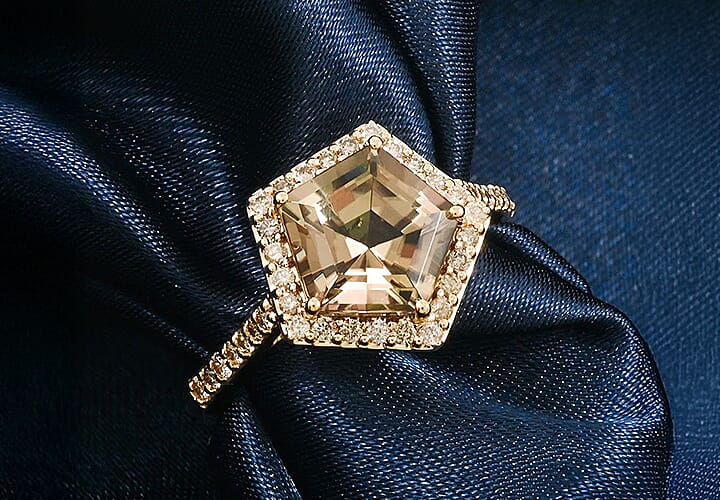
TURKIZITE GEMSTONE
Turkizite, a captivating gemstone, mesmerizes with its unique color-changing hues that shift from soft green to delicate pink under varying light. Celebrated for its rare beauty, this stone radiates elegance and mystery, making it a treasured choice for collectors and jewelry lovers alike. Its enchanting tones evoke a sense of wonder and sophistication, offering a timeless charm that blends allure with serenity.
IMPORTANCE
Why Is Turkizite So Special?
Turkizite is a rare gemstone admired for its remarkable ability to change color based on lighting. This pleochroic effect shifts its hue from soft green in daylight to pinkish or purplish tones under incandescent light, offering a captivating and dynamic appearance. Its ever-changing palette makes it a standout choice for jewelry lovers.
The rarity of turkizite adds to its appeal. Found primarily in the Anatolian mountains of Turkey, it is scarce, making it highly sought after by collectors. Its limited availability and the difficulty of mining enhance its value and allure, creating a sense of exclusivity.
VALUE
Determining Turkizite's Value
The value of turkizite is determined by its color-changing intensity, clarity, and carat weight, with stronger pleochroism and larger sizes commanding higher prices. Its rarity and origin also play a significant role in influencing its market value.

COLOR
Color is the most defining characteristic of turkizite, known for its color change nature. High-quality stones exhibit a strong color shift from greenish tones in daylight to pink or purplish hues under incandescent light. The more intense the color change, the more valuable the gem.

CLARITY
Clarity refers to the internal purity of the stone, with fewer inclusions leading to a higher value. Turkizite with minimal blemishes allows its color-shifting ability to shine more vividly. Eye-clean turkizite is considered the most desirable.

CUT
The cut of turkizite is crucial in showcasing its pleochroic effects. A well-cut stone maximizes light reflection, enhancing its vibrant color shift. Faceted cuts are often used to bring out its dynamic hues and brilliance.

CARAT
Carat weight impacts both the rarity and value of turkizite, with larger stones being more difficult to find. As the carat size increases, so does its price, especially if the stone maintains strong pleochroism and good clarity.
Is Turkizite A Birthstone?
Turkizite is not traditionally recognized as a birthstone in modern gemology. However, it is admired for its remarkable color-changing properties, shifting between soft greens, champagne hues, and pinkish tones under different lighting. While it lacks official birthstone status, many collectors and jewelry enthusiasts embrace Turkizite as a personal or alternative gemstone choice.
Storage
Caring For Turkizite
To care for turkizite, it's important to handle the gemstone gently due to its moderate hardness of 6.5 to 7 on the Mohs scale. Avoid exposing it to hard knocks or rough surfaces that could lead to scratches or damage. When storing, keep it separate from other jewelry pieces to prevent accidental abrasion.
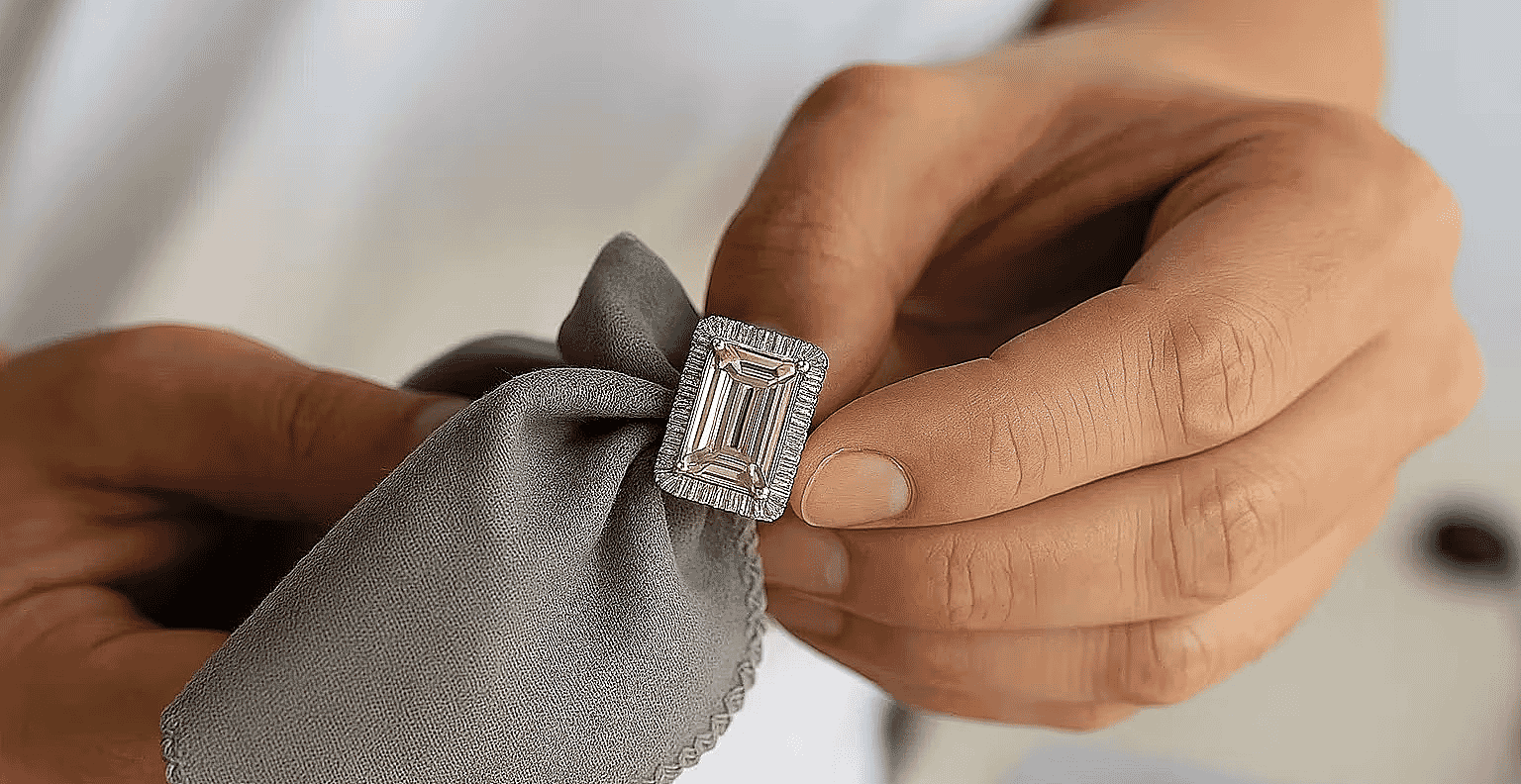
Cleaning turkizite is simple but should be done with care. Use lukewarm water, a mild soap, and a soft brush to clean the surface. Avoid using harsh chemicals, steam cleaners, or ultrasonic cleaners, as they may harm the gemstone's natural luster.
Lastly, to preserve turkizite's color-changing brilliance, it's best to protect it from prolonged exposure to extreme heat or strong sunlight, which could diminish its natural pleochroism. Regular inspections by a jeweler can ensure that the setting remains secure, and the gemstone stays in top condition.
IDEAL CHOICE
Who Can Wear Turkizite?
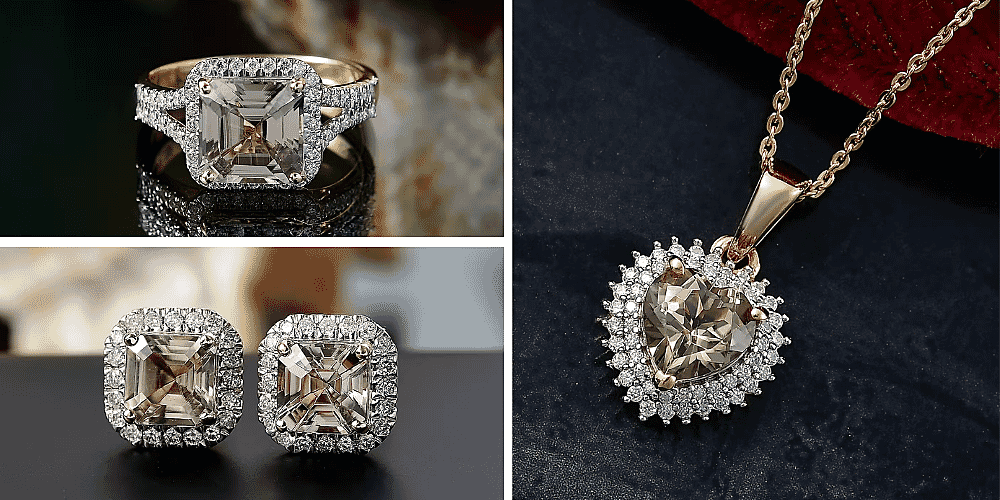
Turkizite is a versatile gemstone that can be worn by anyone who appreciates unique and rare jewelry. Its soft color-changing nature makes it an elegant choice for both casual and formal wear, appealing to those with a refined and sophisticated taste. The gemstone's subtle shifts between green and pink hues offer a distinctive look that complements various styles and skin tones.
For gemstone collectors and enthusiasts, turkizite is an excellent choice due to its rarity and natural beauty. Those who value untreated gemstones will find turkizite particularly appealing, as it remains unenhanced, showcasing its pure, organic charm. Its rarity and exclusivity make it a prized possession for anyone looking to own something truly unique.
Difference
How Does Turkizite Compare To Other Stones?
When compared to other color-change gems, turkizite offers a more delicate and subtle shift in hue. For instance, alexandrite, one of the most well-known color-change gemstones, displays a dramatic shift from green to red under different lighting. In contrast, turkizite's color change is gentler, transitioning from soft greenish tones in daylight to pinkish or purplish hues under incandescent light. This makes turkizite appealing to those who prefer a more understated, yet captivating, color change.
In terms of rarity, turkizite stands in a similar league as alexandrite, being mined from a limited region in Turkey. Both turkizite and alexandrite command higher prices due to their rarity, but turkizite's more affordable price point compared to alexandrite makes it an attractive option for collectors seeking the beauty of color-change gems without the premium cost of alexandrite.
ORIGIN
Where Does Turkizite Come From?
Turkizite is primarily sourced from the Anatolian region of Turkey, where it is found in a remote and rugged mountainous area. The gemstone's limited geographic origin adds to its rarity and appeal, as the specific conditions required for its formation are unique to this region. Mining operations in this area are challenging due to the rugged terrain and the remote location, which contributes to the gemstone's exclusivity. The singular source of turkizite in Turkey makes it a highly coveted gem for collectors and enthusiasts, who value its natural beauty and the story of its origin.
TREATMENT
Turkizite Treatment
Turkizite is a 100% natural gemstone, meaning it undergoes no artificial treatments or enhancements to improve its color or clarity. Unlike many other gemstones that are commonly heat-treated or chemically altered, turkizite retains its natural beauty straight from the earth. Its color-changing property is entirely organic, making it highly prized among collectors who value gemstones in their purest form. This untreated nature adds to its rarity and desirability, as finding high-quality, untreated gems is increasingly uncommon in the market today.
SIGNIFICANCE
What does turkizite mean?
In metaphysical terms, turkizite is believed to possess unique properties that promote emotional balance and clarity. Its color-changing nature is thought to reflect the ability to adapt and shift perspectives, encouraging personal growth and flexibility. The subtle transition between green and pink hues is often associated with fostering a sense of peace and harmony, helping the wearer navigate through emotional challenges with grace. Additionally, turkizite is said to enhance intuition and self-awareness, making it a favored choice for those seeking spiritual insight and emotional stability.
Turkizite Facts
MOHS HARDNESS
6.5 to 7
COLOR
Shits color from soft greenish hues in daylight to pinkish or purplish tones under incandescent light.
TREATMENT
 Does not undergo any treatment.
ORIGINS
 Found at Anatolia region of Turkey.
FAQs
Q. What is a turkizite?
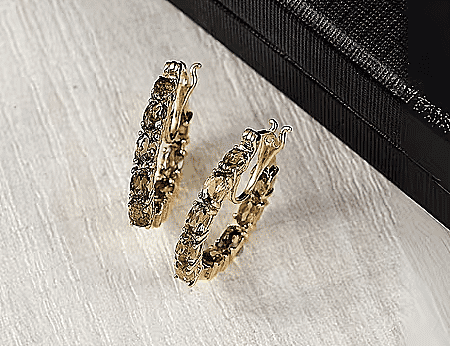
A. Turkizite is a rare gemstone known for its unique color-changing properties. It shifts from a soft greenish hue in daylight to a pinkish or purplish tone under incandescent light, making it a distinctive choice for jewelry collectors and enthusiasts.
Q. Where does turkizite come from?
A. Turkizite is primarily sourced from the Anatolia region of Turkey. Its mining occurs in a remote and rugged mountainous area, which contributes to its rarity and exclusivity.
Q. Is turkizite treated or enhanced?
A. No, turkizite is 100% natural and is not subjected to artificial treatments or enhancements. Its color-changing effect is entirely inherent, preserving its natural beauty.
Q. What is the hardness of turkizite?
A. Turkizite has a hardness of 6.5 to 7 on the Mohs scale. While this makes it moderately durable, it is still important to handle it with care to avoid scratches and damage.
Q. How should I care for turkizite jewelry?
A. To care for turkizite, clean it with lukewarm, soapy water and a soft brush. Avoid harsh chemicals, steam cleaners, or ultrasonic cleaners. Store it separately from other jewelry to prevent scratches and protect it from extreme heat and prolonged sunlight.


 View Cart